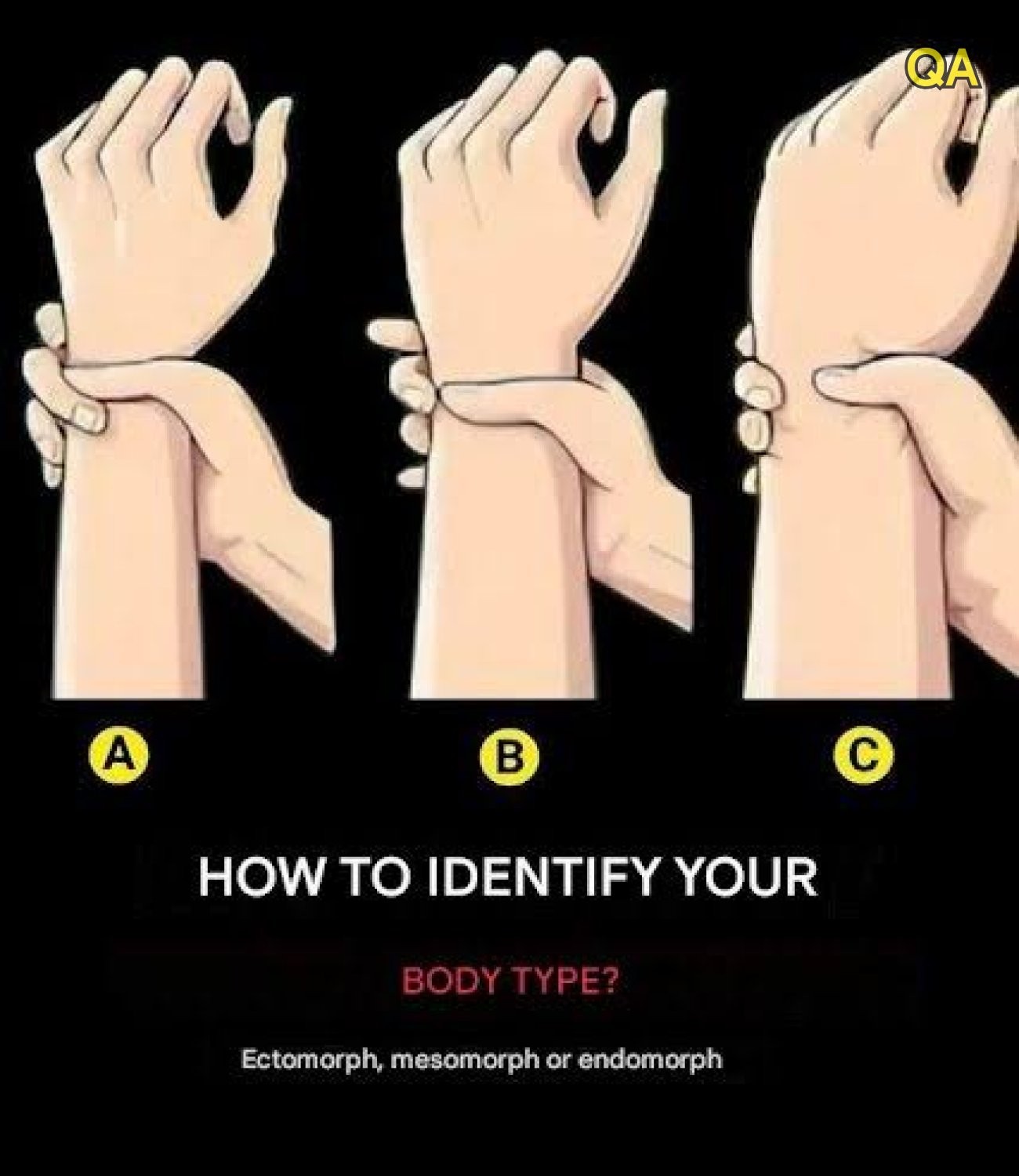

People often wonder why bodies respond differently to exercise, food, sleep, stress, and daily activity. Some people find it easier to build muscle, others naturally have a smaller frame, and others notice that their weight changes more readily over time. The popular terms ectomorph, mesomorph, and endomorph are frequently used to describe these broad physical patterns.
However, it is important to approach body-type labels carefully. Modern health science does not consider somatotypes a precise way to diagnose metabolism, predict health, or prescribe a diet. A person’s body composition and fitness are influenced by many interacting factors, including genetics, age, hormones, medical history, sleep, nutrition, movement, stress, environment, and access to healthy food and healthcare.
Rather than treating a body type as a fixed identity, it can be more useful to view it as a loose description of visible traits. Evidence-based exercise, balanced nutrition, and sustainable daily habits can support health at every body size and shape.
What Are Ectomorph, Mesomorph, and Endomorph Body Types?
The three body-type categories are part of a model called somatotyping. It was developed in the 1940s by psychologist William Sheldon, who attempted to classify people according to physical appearance. The original theory went beyond body shape and made claims about personality that are not accepted by modern science.
Today, the words are sometimes used informally in fitness culture:
- Ectomorph generally describes a person with a relatively lean build and smaller frame.
- Mesomorph generally describes a person with a more muscular or athletic-looking build.
- Endomorph generally describes a person with a broader or rounder build and a tendency to carry more body fat.
These descriptions may feel familiar, but they do not capture the complexity of human bodies. Many people have features associated with more than one category. Someone may have narrow shoulders and strong legs, for example, or a naturally muscular frame while also carrying more body fat. Body shape can also change throughout life.
Why the Wrist-and-Finger Test Is Not a Scientific Body-Type Test
A commonly shared at-home test involves wrapping the thumb and middle finger around the opposite wrist. If the fingers overlap, a person may be told they are an ectomorph; if they touch, a mesomorph; and if they do not meet, an endomorph.
This test is not a reliable or medically validated method for identifying body type, metabolism, body-fat level, or fitness potential. It mainly reflects wrist circumference and hand size, which can vary because of bone structure, muscle, body fat, sex, ancestry, and normal individual differences. It cannot determine how many calories a person needs, how quickly they will gain muscle, or whether they are healthy.
If your goal is to understand your health more accurately, healthcare professionals may consider measures such as blood pressure, blood glucose, cholesterol, waist circumference, physical activity, sleep quality, strength, cardiovascular fitness, and personal medical history. No single measurement tells the complete story.
Ectomorph: A Leaner Body Build
In casual fitness language, an ectomorph is often described as someone with a lean appearance, a smaller frame, relatively long limbs, or difficulty gaining body mass. Some people with this build may feel that they need to eat more consistently to maintain weight or gain muscle.
Commonly Associated Traits
- Lean or slender appearance
- Smaller joints or narrower frame
- Lower body weight relative to height
- Difficulty gaining weight or muscle in some cases
The idea that all lean people have a “fast metabolism” is oversimplified. Metabolism is influenced by body size, muscle mass, age, hormones, genetics, movement, and energy intake. A person who appears naturally slim may also have a physically active routine, a smaller appetite, different eating patterns, or other factors that are not obvious from appearance alone.
Fitness and Nutrition Considerations
People who want to increase strength or muscle mass can benefit from progressive resistance training. This means gradually increasing the challenge of exercises over time through added weight, repetitions, sets, or improved technique. Major health organizations recommend muscle-strengthening activity for adults on at least two days each week.
Adequate energy and protein intake are also important for muscle repair and growth. Nutrient-dense foods such as dairy products or fortified alternatives, eggs, fish, beans, lentils, tofu, whole grains, nuts, seeds, fruits, and vegetables can help support overall nutrition. People with unexplained weight loss, persistent fatigue, digestive symptoms, or trouble maintaining weight should speak with a qualified healthcare professional rather than relying on body-type advice.
Mesomorph: An Athletic or Muscular-Looking Build
The term mesomorph is often used for people who appear naturally athletic or muscular, perhaps with broader shoulders, a relatively defined waist, or visible muscle development. Some individuals may gain strength or muscle efficiently when they begin a regular training program, but this response varies greatly from person to person.
Commonly Associated Traits
- A muscular or athletic appearance
- Relatively broad shoulders or a sturdier frame
- A tendency to respond visibly to resistance training
- Body composition that may change with activity and eating habits
Looking athletic does not automatically indicate good health, just as having a different body shape does not automatically indicate poor health. Cardiovascular fitness, blood pressure, mobility, mental well-being, nutrition, and regular preventive care matter more than fitting a particular visual category.
Fitness and Nutrition Considerations
A balanced routine is usually appropriate for people of any build. It can include aerobic activity, muscle-strengthening exercise, mobility work, and rest. The World Health Organization advises adults to aim for at least 150 minutes of moderate-intensity aerobic activity per week, or 75 minutes of vigorous activity, along with strength-building activities on two or more days.
For everyday nutrition, a practical approach is to build meals around vegetables and fruits, protein-rich foods, high-fiber carbohydrates, and unsaturated fats. Rather than following restrictive plans based on a somatotype label, people can adjust portions and food choices according to hunger, activity level, health goals, culture, budget, and medical needs.
Endomorph: A Broader or Rounder Body Build
Endomorph is commonly used to describe a person with a broader frame, a rounder body shape, or a tendency to store more body fat. The label can be emotionally loaded, so it is best used cautiously and never as a judgment about discipline, health, or personal worth.
Commonly Associated Traits
- A broader or softer-looking body shape
- A tendency to gain weight more easily at certain life stages
- Potential for good strength in some activities
- Wide variation in body-fat distribution and fitness levels
It is not accurate to assume that everyone with a larger body has a “slow metabolism.” Weight regulation is complex. Medicines, sleep, chronic stress, hormonal conditions, social circumstances, food availability, genetics, and changes in daily movement can all affect body weight. Health professionals can help evaluate concerns, especially when weight changes occur suddenly or are accompanied by other symptoms.
Fitness and Nutrition Considerations
Regular movement can improve heart health, strength, mood, sleep, and blood sugar regulation regardless of whether it leads to weight change. Walking, cycling, swimming, dancing, gardening, resistance training, and sports can all be valuable. The most effective activity is often one that feels enjoyable, realistic, and safe enough to continue over the long term.
Instead of extreme dieting, many people benefit from consistent meal patterns, fiber-rich foods, adequate protein, water, and fewer highly processed foods high in added sugars or sodium. A registered dietitian can offer individualized guidance, particularly for people living with diabetes, high blood pressure, digestive conditions, or a history of disordered eating.
Can You Be More Than One Body Type?
Yes. In reality, most people do not fit neatly into any one somatotype. Fitness writers sometimes use combinations such as “ecto-mesomorph” or “meso-endomorph,” but these are informal terms rather than medical classifications.
Human bodies are dynamic. Puberty, pregnancy, aging, injury, menopause, illness, training habits, medication, and changes in work or family life can all influence body composition. A person may gain muscle after strength training, lose muscle during prolonged inactivity, or experience changes in fat distribution with age. These normal changes demonstrate why fixed body-type labels have limited value.
How to Build a Healthy Routine for Your Individual Body
The most useful question is usually not “Which body type am I?” but “Which habits help me feel stronger, healthier, and more capable?” An individualized approach can begin with a few practical foundations.
Move Regularly
Choose activities you can maintain. Combining aerobic exercise with strength training supports heart health, muscle function, bone health, balance, and daily independence. Beginners can start gradually, even with short walks or simple body-weight exercises, and increase activity over time.
Eat for Nourishment, Not for a Label
There is no single “ectomorph diet,” “mesomorph diet,” or “endomorph diet” supported by strong scientific evidence. A generally healthy eating pattern emphasizes a variety of minimally processed foods, including vegetables, fruit, beans, whole grains, protein foods, and healthy fats. Individual needs differ, so people with specific performance, weight, or medical goals may benefit from professional advice.
Prioritize Sleep and Recovery
Sleep affects energy, appetite regulation, training recovery, mood, and concentration. Adults generally need seven or more hours of sleep each night, although individual needs vary. Rest days and gradual training progression can also reduce the risk of overuse injuries.
Track Meaningful Progress
Scale weight is only one possible measure, and it can fluctuate for many normal reasons. Consider tracking strength, walking endurance, energy levels, blood pressure, sleep, flexibility, or confidence in daily activities. These markers may provide a broader and more encouraging picture of health.
Your Body Type Does Not Define Your Potential
Somatotype terms can be a starting point for a conversation about physical differences, but they should not become limits. A lean person can become stronger, a larger person can improve cardiovascular fitness, and an athletic-looking person can still need more rest, better nutrition, or medical support. Every body deserves respectful care.
Health is not determined by appearance alone. Sustainable habits, preventive healthcare, supportive relationships, and realistic goals are more meaningful than trying to match an idealized body category. If you are unsure how to begin, consult a doctor, registered dietitian, physiotherapist, or qualified fitness professional who can help create a plan suited to your circumstances.
Sources
Disclaimer: This content is intended for entertainment purposes only and is not based on real events.