
What Your Favorite Ring May Reveal About Your Personal Style
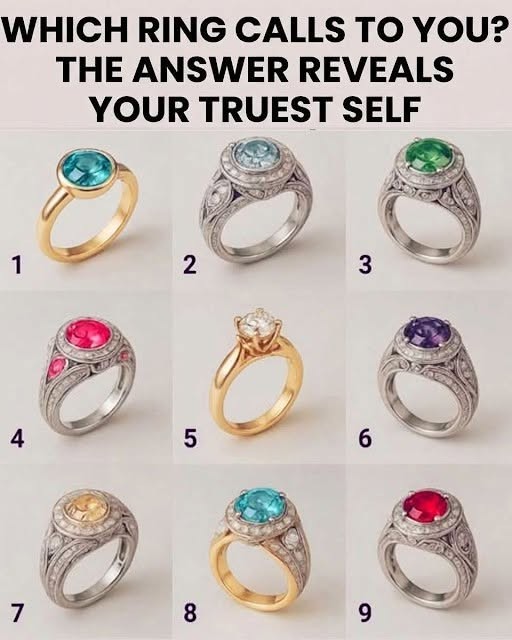
Choosing a ring can be a surprisingly personal experience. A turquoise stone in a simple gold setting may immediately stand out to one person, while someone else may be drawn to a deep purple jewel, a vivid green gemstone, or a bright red centerpiece surrounded by detailed metalwork. These reactions can feel instinctive: one design simply seems more appealing than the others.
Jewelry preference quizzes often suggest that a first choice can reveal hidden facts about personality. While this idea can be entertaining, it is important to approach it thoughtfully. Choosing a ring cannot scientifically diagnose a personality type or predict behavior. However, it can provide an interesting starting point for considering personal taste, memories, cultural associations, and the moods that influence everyday decisions.
Whether you prefer a classic clear gemstone, a warm golden-yellow stone, an ornate silver setting, or an understated band, your selection may say more about what feels meaningful or visually pleasing to you at that moment than it does about a fixed personality trait. Looking closely at that preference can still be a valuable form of self-reflection.
Why People Are Drawn to Certain Rings
Rings combine several elements that can shape a person’s response: color, gemstone type, metal, shape, size, craftsmanship, and cultural meaning. A person might notice color first, while another may focus on whether the setting looks modern, vintage, minimal, or elaborate. Practical concerns can also matter. Some people prefer durable, low-profile jewelry for daily wear, while others enjoy bold pieces intended for celebrations or special occasions.
A collection of nine rings, for example, may include turquoise, pale blue, green, red, clear, purple, and golden-yellow gemstones in different settings. Even when two rings share a similar color, their overall effect can be very different. A red stone in a sleek, modern band may appeal to someone who likes strong visual contrast, while a second red ring with decorative details may attract a person who appreciates dramatic craftsmanship or vintage-inspired style.
First impressions are also shaped by context. Someone viewing rings after a beach holiday may be especially drawn to turquoise because it recalls water and sunlight. A purple stone may feel appealing because it resembles a favorite flower, a meaningful item of clothing, or a past celebration. In this sense, a jewelry choice can reflect an individual story rather than a universal personality rule.
Color Symbolism in Jewelry
Color has long held symbolic importance in art, fashion, religion, and jewelry traditions. Many commonly recognized associations are useful for understanding why certain gemstones feel emotionally expressive. Still, these meanings are not fixed scientific facts. They differ across cultures, historical periods, and individual experiences.
Turquoise and Pale Blue Rings
Turquoise and pale blue are often linked in popular culture with calmness, openness, water, and the sky. Turquoise has also been valued in jewelry traditions across many regions, including parts of the Middle East, Central Asia, the Americas, and Europe. Its appeal may come from its distinctive blue-green tone, which can look both natural and striking against gold or silver.
A person who chooses a turquoise or pale blue ring may simply enjoy cool colors or the contrast between a vivid stone and polished metal. They may also prefer a design that evokes travel, nature, or a relaxed setting. These interpretations are personal possibilities, not evidence that someone is necessarily calm, trustworthy, or adventurous.
Green Gemstone Rings
Green is often associated with vegetation, renewal, balance, and the natural world. Gemstones in green shades, including emerald, jade, peridot, and other materials, have been admired in many cultures for centuries. Their appeal can range from the deep richness of forest green to the brightness of a lighter, spring-like tone.
If a green ring catches your attention, you may be responding to its connection with nature, its distinctive color, or the way it complements your wardrobe and skin tone. For some people, green jewelry feels timeless and elegant; for others, it feels lively and unconventional. No single interpretation applies to every wearer.
Red Gemstone Rings
Red is a visually intense color that is frequently associated with energy, celebration, romance, confidence, and warmth. Red gemstones and red-toned jewelry can create a strong focal point, especially when paired with gold, silver, or darker metal finishes. In some cultural settings, red is also associated with luck, prosperity, or important ceremonies.
A preference for a red ring may reflect an appreciation for bold color and visual drama. It could also be connected to a memory, a favorite outfit, or a desire to choose something different from more conventional clear or pale-colored stones. Enjoying red jewelry does not prove that a person is extroverted or impulsive, but it may indicate that they appreciate a design with presence.
Clear and White Gemstone Rings
Clear or white gemstones are commonly associated with classic jewelry design. Their neutral appearance can make them easy to pair with many styles, from formal clothing to casual outfits. Diamonds are among the best-known clear gemstones, but other stones and materials can create a similar look at different price points.
Someone who chooses a clear gemstone ring may value versatility, tradition, brightness, or simplicity. They may also be responding to the cut and sparkle of the stone rather than its color. A classic choice should not be mistaken for a conventional personality; people choose timeless designs for many reasons, including sentimental value and practical wearability.
Purple and Golden-Yellow Rings
Purple has often been connected with imagination, ceremony, creativity, and luxury, partly because purple dyes and materials were historically difficult to produce in some societies. Purple gemstones can range from soft lavender to deep violet, allowing them to feel delicate or dramatic depending on the setting.
Golden-yellow stones, meanwhile, can suggest warmth, sunlight, optimism, and harvest. Their bright tones can make jewelry feel cheerful and expressive. A person may choose purple because it feels unusual and artistic, or select yellow because it brings a sense of warmth. Yet color preferences are deeply individual and can change with fashion trends, seasons, and mood.
Ring Design Can Matter as Much as Gemstone Color
The setting around a gemstone often influences a choice just as strongly as the stone itself. A simple gold band may communicate restraint and everyday elegance. Intricate silverwork may appeal to someone who enjoys detail, heritage-inspired design, or handcrafted-looking pieces. Mixed metals can offer contrast and flexibility, while larger settings may create a more expressive visual effect.
Minimalist rings are often valued because they are versatile and easy to wear. Their appeal may lie in clean lines, balance, and a focus on the gemstone. More decorative rings, by contrast, can draw attention to texture, engraving, clusters of stones, or sculptural shapes. Neither style is better than the other. The distinction reflects different aesthetic priorities.
When considering why a ring appeals to you, it may help to ask specific questions. Do you like the color most? Does the ring remind you of a certain era or place? Would you wear it every day, or does it feel suited to an occasion? Do you prefer the smooth simplicity of one design or the visual complexity of another? These questions can reveal more about your current preferences than a broad quiz result.
What Psychology Says About Preferences and Personality
Psychology recognizes that preferences can be meaningful, but it also distinguishes them from stable personality traits. Personality is generally studied through patterns of thought, emotion, and behavior that develop over time. Researchers often use frameworks such as the Big Five model, which examines traits including openness, conscientiousness, extraversion, agreeableness, and neuroticism.
A single choice, such as selecting one ring from a group of nine, cannot reliably measure these traits. A person’s decision may be shaped by recent experiences, current mood, cultural background, budget, fashion interests, or familiarity with certain gemstones. Someone who normally prefers neutral colors may choose a bright ring simply because they want variety. Another person may select a familiar design because it resembles a family heirloom.
Research on color and emotion suggests that color can influence perception and feeling in particular settings, but the effects are complex. They are not universal personality tests. The meaning people attach to color changes according to context and lived experience. For that reason, statements such as “choosing blue proves that you are calm” or “choosing red proves that you are bold” are oversimplified.
A more accurate approach is to view visual preference as one small clue about what attracts you aesthetically. It can prompt useful reflection without making claims that go beyond the evidence.
How Culture, Memory, and Meaning Shape Jewelry Choices
Jewelry frequently carries meanings that extend beyond fashion. Rings may mark engagements, weddings, graduations, anniversaries, religious observances, family relationships, or personal milestones. In many communities, jewelry is also passed between generations, making a particular material or design emotionally significant.
These social and cultural connections can influence which ring feels most appealing. Gold may bring to mind a family celebration. Silver may feel modern or traditional depending on a person’s background. A turquoise stone may recall a destination, while a clear gemstone may evoke an important life event. Even an unfamiliar ring can seem meaningful when it resembles an object seen in childhood or admired in a film, museum, or shop window.
International jewelry traditions also demonstrate why broad personality claims should be treated cautiously. Colors and gemstones can carry very different meanings across societies. What is considered celebratory, protective, luxurious, spiritual, or fashionable in one setting may have another meaning elsewhere. Respecting this diversity helps keep discussions of color symbolism informative rather than overly prescriptive.
Using a Ring Choice as a Self-Reflection Exercise
Choosing a favorite ring can still be enjoyable and insightful when it is framed honestly. Rather than asking, “What does this ring prove about me?” try asking, “Why did I notice this one first?” The answer may involve style, emotion, memory, or aspiration.
You might be attracted to a simple turquoise ring because you want more calm, natural color in your life. You may prefer an ornate pale blue design because you admire craftsmanship and detail. A bold red ring may appeal because you are preparing for an event and want something memorable. A clear stone may feel right because you value a piece that works with everything you wear.
There is no correct choice, and preferences do not need to remain consistent. Personal style evolves with age, circumstances, travel, relationships, and changing tastes. A ring that feels perfect today may not be the one you would have selected five years ago, and that is entirely normal.
The Meaningful Part of Choosing a Ring
The most useful lesson from a ring preference activity is not that a gemstone can uncover a hidden, permanent truth. Instead, it is that everyday choices can encourage us to notice what we value. Colors, shapes, materials, and memories all contribute to the objects we find beautiful.
Whether you are drawn to turquoise, pale blue, green, red, clear, purple, or golden-yellow jewelry, your choice can be a reminder that style is personal. It reflects a blend of visual taste, cultural influences, experiences, and the feelings you associate with a design. Enjoy the process of choosing, but leave room for complexity: a favorite ring may reveal something about what inspires you today, not define who you are forever.
Sources
Disclaimer: This content is intended for entertainment purposes only and is not based on real events.