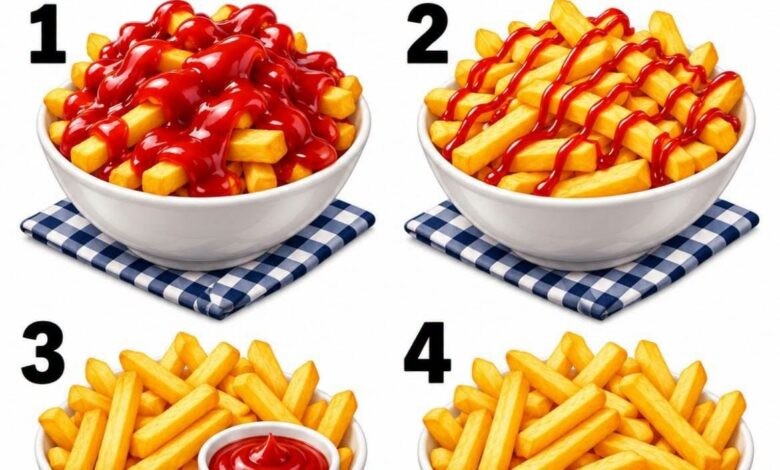

Four Bowls of Fries, Four Ways to Enjoy Them
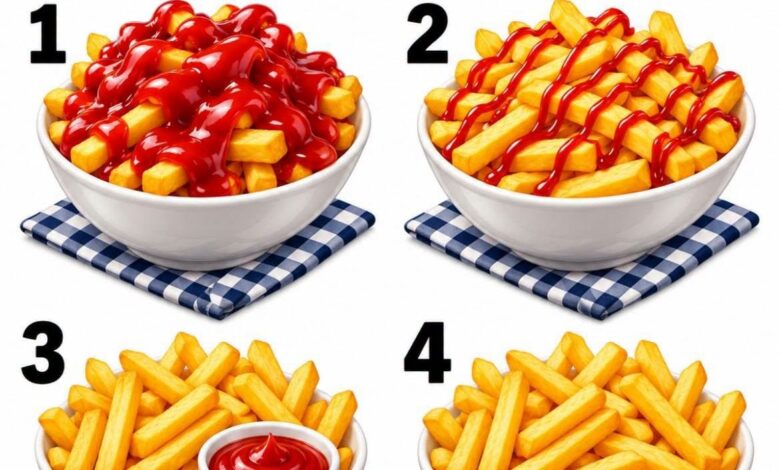
Four bowls of fries can create four very different lunch experiences. One is covered in ketchup, another has a light drizzle, a third comes with ketchup served on the side, and the last bowl is plain. At first glance, choosing between them may look like a simple preference about sauce. In practice, it can also be a lighthearted way to talk about flavor, texture, sharing, routines, and the small decisions that make eating enjoyable.
There is no scientific basis for assigning a fixed personality type to a person based on how they eat fries. Food-choice games are best treated as conversation starters rather than assessments. Still, the way people choose to serve ketchup can reflect practical preferences: some want a consistent flavor in every bite, others prefer control over the amount of sauce, and many simply enjoy the taste and texture of plain fries.
Whether fries are a side dish, a shared snack, or an occasional comfort food, the choice of condiment can change the meal considerably. Ketchup adds sweetness, acidity, moisture, and color. Serving sauce separately helps preserve crispness. Leaving fries plain puts attention on the potato, seasoning, and cooking method. These differences explain why one bowl may appeal strongly to one person while another person reaches for something entirely different.
The Bowl Covered in Ketchup: A Bold Flavor Choice
The first bowl is generously coated with ketchup. This is the option for people who want the condiment to be an important part of the dish rather than an occasional addition. Every fry arrives with the same familiar balance of salty potato, tangy tomato flavor, and a touch of sweetness.
For many diners, ketchup-covered fries are connected to comfort, convenience, and familiarity. The sauce is already distributed, so there is no need to dip each fry individually. That can make the bowl feel more indulgent and satisfying, particularly for people who enjoy a consistent flavor from the first bite to the last.
This serving style also has trade-offs. Fries that sit under a substantial amount of sauce can soften more quickly than plain fries. For someone who prioritizes a crisp exterior, that may be less appealing. For someone who values a saucy bite, however, the softer texture may be part of the attraction.
In a playful food-preference quiz, the heavily sauced bowl may be associated with an enthusiastic approach to favorite foods. A person who chooses it may simply believe that if ketchup is welcome, there is no reason to use it sparingly. That does not reveal a personality category, but it does communicate a clear preference: the sauce belongs at the center of the experience.
The Light Ketchup Drizzle: Balancing Sauce and Crispness
The second bowl has a thinner drizzle of ketchup across the fries. It provides visible color and flavor without coating every surface. This approach can appeal to people who want some ketchup in many bites while still preserving more of the fries’ original texture.
A light drizzle creates variation. One fry may have a stronger ketchup flavor, while another may taste mostly of potato and seasoning. That variation can make a familiar snack feel less repetitive. It also offers a middle ground for diners who do not want dry fries but do not want the sauce to dominate the bowl.
From a food-service perspective, this style is common because it is visually appealing and easy to share in casual settings. The fries look dressed rather than saturated. It can also be useful when fries have their own seasoning, such as sea salt, black pepper, paprika, garlic, or herbs, because the ketchup complements rather than fully covers those flavors.
If this is the bowl you would choose, the simplest explanation may be that you like balance. You enjoy ketchup, but you also want the fries to remain recognizable as fries. That preference can change from day to day. A person might choose a drizzle at a restaurant, use a side dish of ketchup at home, and enjoy plain fries when they are especially fresh.
Ketchup on the Side: Choice, Control, and Sharing
The third bowl places ketchup in a separate dish. This is one of the most flexible ways to serve fries because every bite can be different. A diner can dip deeply, add only a small amount, eat a few fries plain, or mix the approach throughout the meal.
Serving ketchup on the side is especially practical for shared food. Not everyone uses the same amount of sauce, and some people may prefer another condiment entirely. A separate dip lets a group share the fries while making individual choices about flavor. It can also reduce the chance that the entire serving becomes soggy before everyone has had a chance to eat.
The preference for dipping may be about more than taste. Some people enjoy the small ritual of choosing how much sauce to add. Others may appreciate the cleaner presentation or the ability to keep their hands and clothing free from spills. In a busy lunch setting, those details can matter.
There are also social considerations. When a bowl is shared, it is generally considerate to avoid dipping a fry after taking a bite from it. Providing individual portions of sauce can be a simple way to make sharing more comfortable. Food safety guidance often emphasizes hand hygiene and clean serving practices, particularly when food is being handled by multiple people.
As a playful interpretation, the side-dish choice can represent someone who likes flexibility. More accurately, it shows a preference for control. The diner decides how each fry should taste, and that is a perfectly reasonable way to enjoy a popular snack.
Plain Fries: Letting the Potato and Seasoning Stand Out
The fourth bowl contains plain fries, with no ketchup added. Choosing plain fries does not necessarily mean rejecting condiments altogether. It may simply mean that the fries are fresh, well-seasoned, and satisfying on their own.
Plain fries highlight the qualities created during cooking: a crisp outer surface, a soft interior, the natural flavor of potato, and the seasoning used by the kitchen or home cook. Different styles of fries can have notably different tastes. Thin fries, thick-cut fries, crinkle-cut fries, wedges, and oven-baked potato pieces all offer distinct textures.
Some diners also choose plain fries because they are pairing them with another dish that already has a flavorful sauce. A burger, sandwich, grilled vegetables, or seasoned meal may provide enough richness without adding ketchup to the side. In that context, plain fries can function as a neutral accompaniment.
For others, plain fries are simply a matter of habit. Food preferences are shaped over time by family meals, regional traditions, culture, access to ingredients, and individual sensory preferences. What feels incomplete to one person may feel ideal to another.
A lighthearted quiz might describe the plain-fries selection as confident or uncomplicated. The more useful conclusion is straightforward: the diner enjoys the fries as they are. In a shared setting, plain fries can also be widely accessible because people can add their own preferred condiment if they want one.
Why Food Preferences Cannot Define Personality
It is tempting to turn everyday choices into personality clues. Images asking people to select a preferred food, color, room, or travel destination are popular because they are quick, visual, and easy to discuss. However, a single food preference cannot reliably measure personality, values, intelligence, or emotional traits.
Psychologists use validated research methods and carefully designed assessments when studying personality. Such tools examine patterns over time rather than making conclusions from one casual choice. A person’s preferred ketchup style can change depending on the meal, mood, setting, company, budget, or availability of condiments.
That does not make food-choice games meaningless. Their value is social rather than diagnostic. Asking someone to choose a bowl of fries can encourage them to explain a memory, share a restaurant recommendation, or describe what they enjoy about certain textures. The discussion can reveal more than the initial choice, but it should remain fun and free from assumptions.
Food, Memory, and Everyday Social Connection
Fries and ketchup are familiar foods in many places, although their preparation and preferred sauces vary around the world. In some countries, fries may be served with mayonnaise, vinegar, curry sauce, gravy, cheese, chili, aioli, or regional seasonings. These traditions demonstrate that there is no universal “right” way to eat potatoes.
Food memories are often powerful because meals are linked to people and places. A bowl of ketchup-covered fries might recall a childhood outing. A small dish of sauce may bring to mind a favorite café or a meal shared with friends. Plain fries may remind someone of a family recipe or a particular variety of potato prepared at home.
International food culture also shows how adaptable simple ingredients can be. Potatoes are used in many cuisines, from roasted and mashed dishes to snacks and street foods. French fries themselves have become a global staple, but they are rarely served in exactly the same way everywhere. Local tastes, ingredients, and dining habits shape the final plate.
Making Fries Part of a Balanced Diet
Fries can be enjoyed as part of an overall balanced eating pattern, particularly when portions and frequency fit an individual’s dietary needs. Public health organizations generally encourage people to include a variety of vegetables, fruits, whole grains, protein foods, and healthy fats in their regular meals. Potatoes can contribute nutrients, including potassium and vitamin C, but cooking methods and added ingredients influence the final nutritional profile.
Fried foods can be high in calories, sodium, and fat, depending on preparation and serving size. Ketchup may also contain added sugars and sodium, although nutrition information varies between brands. Reading labels and considering portion sizes can help people make choices that suit their preferences and health goals.
For a lighter approach at home, people may bake or air-fry potato pieces with a modest amount of oil, use herbs and spices for flavor, and serve fries alongside vegetables or a protein-rich meal. These ideas do not make one serving style morally better than another; they simply offer options for people who want variety.
Individuals with medical conditions or specific dietary requirements should seek advice from a qualified healthcare professional or registered dietitian. Nutrition needs vary, and general information cannot replace personalized guidance.
The Best Bowl Is the One You Will Enjoy
Ultimately, the four bowls represent four valid ways to eat the same food. A generous coating of ketchup offers a bold, consistent flavor. A drizzle provides a middle ground between sauce and crispness. Ketchup on the side gives diners control and makes sharing easier. Plain fries let the potato and seasoning take the lead.
If you are using the image as a quick game, choose the bowl that you would genuinely want in front of you, then ask others why they made their choice. The answers may be practical, nostalgic, sensory, or entirely spontaneous. Someone may select the dipping bowl to avoid a mess, while another may choose the heavily sauced fries because the color catches their attention.
That is the real appeal of the question. It is not a test with a correct result. It is an easy invitation to talk about taste, habit, food memories, and the small pleasures of sharing a meal.
Sources
Disclaimer: This content is intended for entertainment purposes only and is not based on real events.