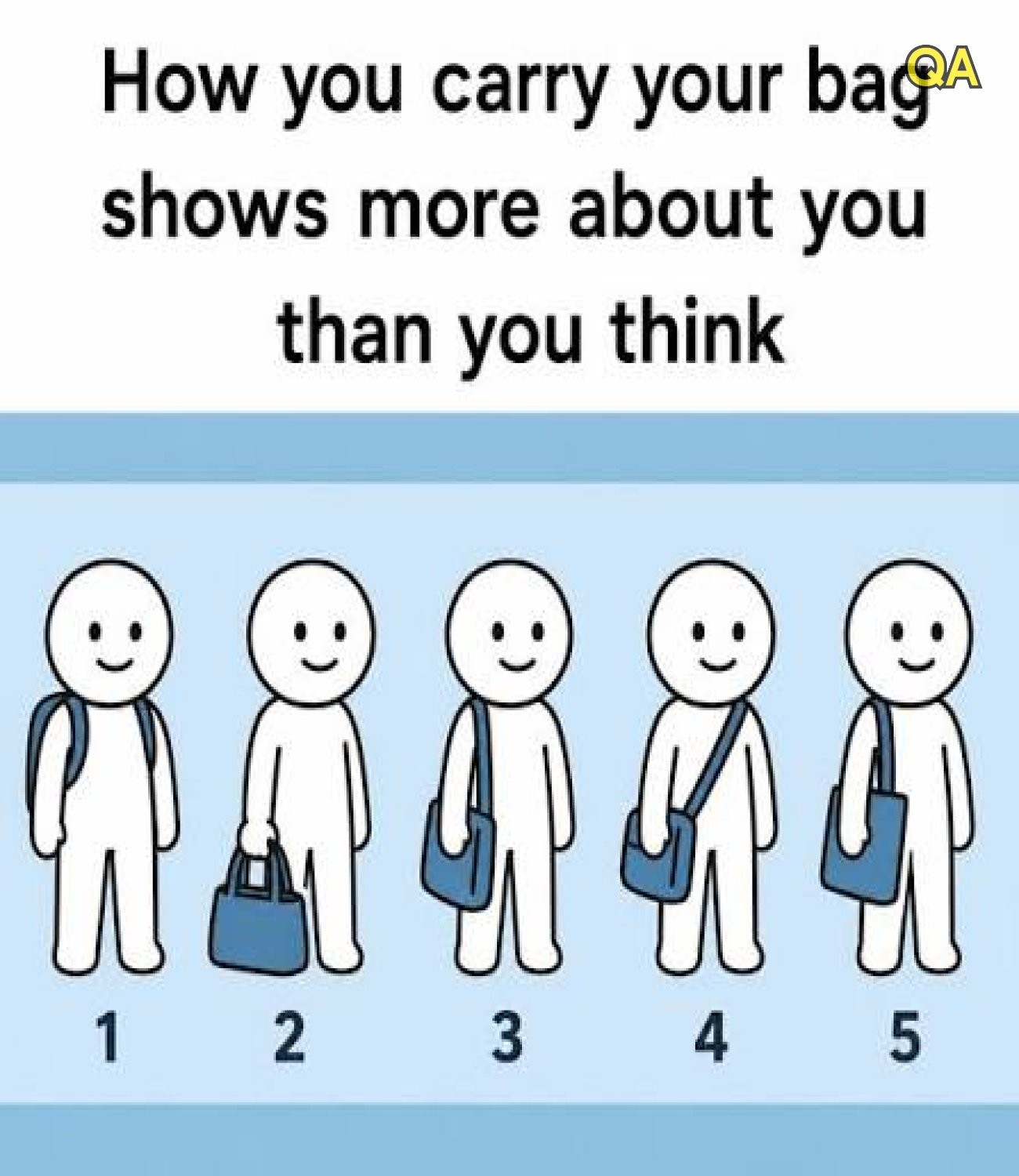

How people carry a bag can seem like a small detail, but it is part of everyday nonverbal behavior. A tote balanced on one shoulder, a handbag held by its handles, a backpack worn on both shoulders, or a cross-body bag positioned close to the chest can all communicate something about comfort, activity, fashion preferences, and practical needs.
It is important to begin with a clear distinction: there is no reliable scientific method for determining a person’s personality simply by observing how they carry a bag. Personality is complex and develops through many influences, including temperament, experiences, culture, relationships, values, and environment. A bag-carrying habit may be interesting to notice, but it is not a psychological test.
Still, everyday choices can offer useful opportunities for self-reflection. The way someone carries a bag may reflect how they move through a particular setting, what they need to carry, how they prioritize security or convenience, and what makes them feel comfortable. Seen this way, bag habits are better understood as expressions of personal style and situational preferences rather than fixed labels.
Why Bag-Carrying Style Is Not a Personality Test
Popular culture often connects body language to personality. These interpretations can be entertaining, especially when shared among friends or on social media. However, psychologists caution against making broad conclusions about someone’s character from one isolated behavior.
Human behavior changes according to context. Someone may carry a handbag by hand for a formal event, wear a cross-body bag while traveling, use a backpack for work or school, and choose a shoulder bag for a casual outing. These choices may be influenced by the weather, clothing, the amount of belongings being carried, commuting arrangements, safety concerns, or physical comfort.
Research on personality generally relies on validated tools, long-term patterns of behavior, and self-reported information rather than quick visual observations. Widely used psychological frameworks, such as the Five-Factor Model, assess broad traits including openness, conscientiousness, extraversion, agreeableness, and emotional stability. Even these established measures do not claim to explain every action a person takes in every situation.
For that reason, statements such as “people who wear cross-body bags are always organized” or “people who carry bags by hand are naturally confident” should be viewed as lighthearted generalizations, not facts. The most accurate conclusion is usually simple: people choose the carrying style that works best for them at that moment.
Slinging a Bag Over One Shoulder
Carrying a tote, purse, or messenger bag over one shoulder is a common choice for people who want quick access to their belongings. This style can feel casual and flexible, particularly when a person is going to a café, meeting friends, running errands, or commuting a short distance.
In style conversations, a one-shoulder bag is sometimes associated with a relaxed or spontaneous image. The bag is easy to put on and remove, and it may suit people who prefer a less structured look. It can also work well with lightweight essentials such as a phone, wallet, keys, water bottle, and notebook.
But convenience is often the main explanation. A person may choose this style because the bag matches an outfit, because they need to access items quickly, or because they are carrying only a small load. There is no evidence that using one shoulder reveals whether someone is adventurous, calm, social, or adaptable.
Comfort is worth considering, too. Carrying a heavy bag repeatedly on one shoulder may contribute to discomfort or uneven strain for some people. Health organizations and clinical experts commonly advise using lighter loads, switching sides when practical, and selecting bags with comfortable straps. Anyone experiencing persistent pain should consider discussing it with a qualified health professional.
Carrying a Handbag by Its Handles
Holding a bag by its handles is often linked with formal handbags, structured satchels, and professional-looking accessories. This approach can be useful when a person wants to keep the bag upright, protect its shape, or present a polished appearance at work, events, or social occasions.
Because structured bags are frequently used in professional settings, people may associate this style with organization, confidence, or attention to detail. That association is largely cultural. Fashion, workplace expectations, and media images can influence how others interpret a handbag held at the side.
In reality, the decision may be highly practical. Some bags have short handles and are not designed to fit comfortably over a shoulder. A person may also carry a bag in hand temporarily while entering a building, walking through a crowd, or avoiding contact with wet or dirty surfaces.
Rather than assuming a personality trait, it may be more useful to recognize what the choice can signal in a given context: a preference for a particular silhouette, a formal dress code, or the need to keep belongings stable and accessible. Personal presentation is meaningful, but it does not provide a complete picture of a person’s identity or character.
Keeping a Bag Close to the Chest or Front of the Body
Some people wear small bags, sling bags, or pouches high across the torso and close to the chest. This placement is popular because it is hands-free, compact, and convenient in busy environments. It can be especially useful while walking, cycling, attending an event, or navigating public transportation.
Carrying a bag in front may also make it easier to monitor valuables such as a passport, phone, wallet, or travel documents. In crowded areas, people often choose this position for peace of mind and easier access. This is a situational safety preference, not evidence that someone is naturally cautious, private, or reflective.
Modern fashion has also helped make front-worn bags a versatile everyday accessory. They are available in sporty, minimalist, luxury, and utility-focused designs, which means the choice may be driven by aesthetics as much as function.
People who prefer this style may appreciate its simplicity: the essentials are nearby, the hands remain free, and the bag stays secure during movement. These practical benefits can be attractive to nearly anyone, regardless of personality.
Wearing a Cross-Body Bag
Cross-body bags remain popular because they distribute a bag’s weight across the body more securely than a single shoulder strap. They can be useful for commuting, shopping, traveling, caring for children, sightseeing, and other activities where free hands matter.
This style is often described as practical, prepared, or efficient. Those descriptions may fit the purpose of the bag more than the person carrying it. A cross-body design helps keep belongings close while allowing the wearer to move freely, so it naturally appeals to people with active schedules or a need to carry essentials throughout the day.
Travelers frequently use cross-body bags because they can keep important items within reach. Parents may choose them because they need both hands available. Students and commuters may appreciate the straightforward design. In each case, the bag supports a task rather than revealing a stable personality trait.
For comfort, the weight of the bag still matters. A very heavy cross-body bag can place pressure on one side of the body. Selecting a bag with a wider strap, limiting unnecessary items, and alternating positions when comfortable can help reduce strain.
Backpacks, Totes, and Other Everyday Choices
Although handbags and cross-body bags receive much of the attention in style discussions, backpacks, tote bags, briefcases, and reusable shopping bags are also part of daily life. These choices are often connected to a person’s work, education, commute, household responsibilities, and environmental priorities.
A backpack may be selected because it can hold a laptop, books, meals, gym clothing, or medical necessities. A tote may be preferred for groceries, library books, or a quick trip out. A briefcase or work bag can be chosen because it protects documents and electronics. None of these practical decisions can accurately diagnose someone’s personality.
What they can reveal is the importance of design. People often select accessories that reduce friction in their routines. The best bag is usually the one that fits the person’s needs, supports comfortable movement, and suits the setting.
Culture, Fashion, and Social Interpretation
Bag-carrying habits are shaped by culture and fashion as well as individual preference. What is seen as formal, casual, fashionable, or practical can vary greatly between countries, communities, workplaces, and generations. In some places, a backpack is accepted in most professional environments; elsewhere, a structured bag may be more closely associated with business attire.
Social media also influences how bags are worn. Trends can make certain styles appear fashionable for a season, while designers and retailers promote new shapes, strap placements, and uses. These shifts are reminders that personal style is flexible. A person’s bag choice may change because of a trend, a new job, a move to a different city, or a change in daily responsibilities.
It is also worth avoiding judgments based on appearances. Assuming that someone is disorganized because they carry a large tote, overly cautious because they wear a bag close to their body, or status-conscious because they carry a structured handbag can lead to unfair impressions. Respectful social interaction means recognizing that we rarely know the full reason behind another person’s choices.
How to Choose a Bag That Works for You
Instead of searching for a bag style that defines your personality, consider choosing one that supports your lifestyle. Start with what you carry every day. If you need a laptop, lunch, chargers, and paperwork, a roomy backpack or work tote may be sensible. If you carry only a phone, keys, and wallet, a smaller cross-body or belt bag may be enough.
Comfort should be a priority. Check whether the strap is adjustable, whether the bag feels balanced, and whether it becomes uncomfortable after walking or commuting. Keep the load as light as possible, especially if you use the same bag every day.
Security and accessibility can also matter. Interior pockets, sturdy closures, and compartments for essential items may make a bag easier to use. For travel or crowded public places, a design that stays close to the body can offer convenience and reassurance.
Finally, choose a style you enjoy. Clothing and accessories can be a creative form of self-expression. A bag may reflect your favorite colors, preferred materials, work needs, hobbies, or values. That personal meaning is more relevant than any generalized personality label.
The Bottom Line
The way you carry your bag may say something about your immediate needs, personal style, and the setting you are in. A shoulder bag may offer quick convenience, a handled handbag may suit a formal look, a front-worn bag may make valuables easier to access, and a cross-body style may support a busy routine.
However, no bag-carrying style can reliably reveal a person’s personality. Human character is far too varied and complex to be understood through one everyday habit. Treat these observations as an enjoyable prompt for conversation or self-reflection, not as a serious assessment of yourself or anyone else.
The most useful question is not, “What does my bag say about me?” It may be, “Does this bag make my day easier, more comfortable, and more suited to what I need?”
Sources
Disclaimer: This content is intended for entertainment purposes only and is not based on real events.