
Student Privacy, Grief, and Classroom Writing: Lessons for Schools and Families
Personal writing can be an important part of a student’s education. Essays, journals, memoirs, and reflective assignments may help young people develop language skills, process experiences, and connect academic learning to their lives. For students coping with the death of a parent or another major loss, however, writing can also involve deeply private emotions that they may not be ready to discuss publicly.
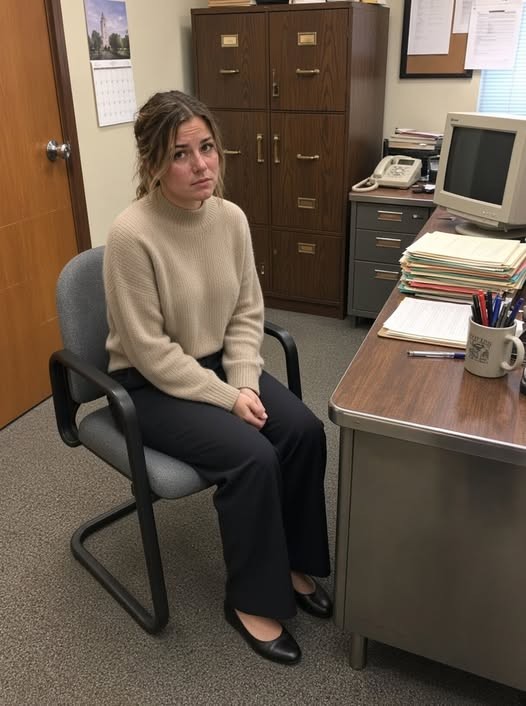
A story involving a student named Grace Callahan, her teacher, and an essay about her late father raises important questions about student privacy, grief, consent, and the responsibility of schools to create emotionally safe learning environments. While personal narratives can encourage empathy in the classroom, educators must take care not to assume that meaningful writing is automatically appropriate to share with others.
This issue extends beyond one classroom scenario. Schools regularly navigate sensitive student disclosures involving bereavement, family changes, illness, mental health concerns, financial hardship, identity, and other personal circumstances. Thoughtful policies and compassionate communication can help ensure that students retain control over their stories while still receiving the support they may need.
Why Personal Writing Requires Care and Consent
Writing assignments often ask students to reflect on their memories, values, challenges, or aspirations. These prompts can be educationally useful, but they can also place students in a difficult position. Some may feel pressured to reveal personal information to earn a good grade, participate in class, or meet an assignment requirement.
For a young person who has experienced bereavement, an essay may be one of the first places where grief is expressed openly. That work may feel less like a standard school assignment and more like a private record of a relationship, a loss, or a family memory. Even when a teacher intends to praise the quality of the writing, reading it aloud without clear permission can cause distress if classmates recognize the student or infer the circumstances described.
Consent matters because students should be able to decide how, when, and with whom they share personal experiences. A teacher may believe that removing a student’s name makes an essay anonymous, but details in the writing can still identify its author. References to a distinctive family tradition, a local place, a parent’s occupation, a specific object, or a known event may make the student recognizable to peers.
Good classroom practice therefore goes beyond simply omitting a name. Teachers should obtain explicit, informed, and preferably written permission before sharing a student’s personal work with a class, another staff member, a parent audience, a school publication, or an online platform. Students should understand that declining permission will not affect their grade or relationship with the teacher.
Grief in Adolescence Is Not Always Visible
Grief does not look the same for every child or teenager. Some young people speak openly about a death, while others become quiet, highly independent, distracted, irritable, or focused on routines. A student may continue earning strong grades and participating in school activities while carrying significant sadness or anxiety privately.
The American Academy of Child and Adolescent Psychiatry notes that children and adolescents may show grief in ways that differ from adults. Their reactions can change over time, especially around birthdays, holidays, school milestones, family events, or reminders of the person who died. A loss that happened years earlier can still have an emotional effect, and renewed sadness does not necessarily mean that a young person is “moving backward.”
In the classroom scenario, Grace has tried to manage responsibilities quietly after her father’s death. This pattern reflects a common misunderstanding among young people: they may believe they are protecting a parent, sibling, or caregiver by hiding their own pain. Meanwhile, adults may avoid raising the subject because they do not want to upset the child. Both sides can become isolated even when they care deeply about one another.
Supportive adults do not need to force a conversation or demand disclosure. Often, the most helpful approach is to signal availability: “I’m here if you want to talk,” “You do not have to handle this alone,” or “We can find support together.” These statements respect a young person’s autonomy while making clear that help is available.
The Impact of Public Exposure and Peer Reactions
When a student’s personal experience becomes known without permission, the result can be embarrassment, anger, fear, or a loss of trust. This can be particularly difficult during adolescence, when peer acceptance and social belonging often carry great importance. Even a seemingly brief joke or dismissive comment can feel especially painful when it concerns a family death or a deeply personal memory.
Schools have a responsibility to address peer behavior that humiliates, targets, or isolates a student. A prompt and proportionate response should focus on accountability, restoring safety, and reinforcing respectful community standards. Depending on the situation, this may include a private conversation with the student who made the comment, communication with parents or guardians, counseling support, and follow-up to ensure that the affected student feels safe returning to class.
It is equally important not to make the grieving student responsible for educating classmates about loss or for accepting an apology before they are ready. Restorative conversations can be helpful in some circumstances, but they should be voluntary and carefully facilitated. The student who was harmed should have a meaningful voice in what support and next steps feel appropriate.
What Trauma-Informed Teaching Looks Like
Trauma-informed teaching does not require educators to become therapists. Instead, it means recognizing that students may have experiences outside school that affect how they learn, communicate, and respond to stress. A trauma-informed classroom emphasizes predictability, respect, choice, emotional safety, and healthy relationships.
For writing instruction, teachers can apply this approach in practical ways:
- Offer a range of prompts, including fictional, analytical, observational, and personal options.
- Tell students clearly that they never need to disclose private experiences to complete an assignment successfully.
- Allow students to change identifying details or write from a fictional perspective if that feels safer.
- Explain in advance whether work may be shared and give students a genuine option to decline.
- Ask for affirmative permission before reading work aloud, displaying it, or submitting it to a contest.
- Use private feedback for highly personal writing unless the student requests otherwise.
- Know how to connect students with a school counselor, social worker, psychologist, or safeguarding team when appropriate.
These practices benefit all students, not only those who have experienced loss. Students may have private reasons for avoiding personal disclosure, including family circumstances, cultural expectations, health concerns, or experiences they are not ready to discuss. Offering choice supports both learning and dignity.
How Schools Can Build Better Student Privacy Policies
A clear policy on student work can prevent misunderstandings. Schools should explain how essays, artwork, recordings, photographs, and other student-created material may be used. This is especially important when work could be shared at assemblies, on school websites, in newsletters, on social media, or with outside organizations.
Written consent procedures should be easy to understand and should distinguish between different forms of sharing. Permission to submit an assignment to a teacher is not necessarily permission to read it aloud in class. Permission to display work in a hallway is not the same as permission to publish it online. Digital publication may create additional privacy considerations because material can be copied, shared, or remain accessible for a long time.
School leaders can support staff by providing professional development on confidentiality, student wellbeing, trauma-informed approaches, and communication with families. Teachers should also know when a personal essay may indicate that a student needs additional support. The appropriate response is usually not public discussion, but a private, caring check-in and, when needed, referral through established school procedures.
Families should be included respectfully where appropriate, while schools must also follow applicable privacy laws and safeguarding obligations. The details of those requirements vary by country and school system. In the United States, for example, the Family Educational Rights and Privacy Act, commonly known as FERPA, establishes protections for the privacy of student education records at institutions receiving relevant federal funding.
Communication Between Parents and Children After Loss
Families often worry about saying the wrong thing after a death. Yet silence can sometimes lead children and adults to make inaccurate assumptions about one another. A teenager may think a surviving parent cannot cope with hearing memories of the person who died. The parent may believe the teenager does not want to talk. Gentle communication can help break that cycle.
There is no single correct way to remember someone who has died. Some families find comfort in looking at photographs, cooking a favorite meal, visiting a meaningful place, listening to music, creating a memory box, or marking important dates. Others prefer brief conversations rather than formal rituals. What matters is that young people know grief is not a problem they need to solve alone.
Adults can ask open, low-pressure questions such as, “Have you been thinking about Dad lately?” “Would you like to tell me about that memory?” or “Is there anything you wish people at school understood?” They can also accept a simple “not right now.” Consistent availability often matters more than finding perfect words.
When Professional Support May Help
Grief is a natural response to loss, and many young people benefit from support from family, friends, trusted teachers, and community networks. Professional help may also be useful when grief is persistently disrupting daily life, school attendance, sleep, relationships, or a student’s ability to function. A school counselor, pediatrician, licensed mental health professional, or bereavement support organization can help families identify appropriate resources.
Urgent support is important if a young person expresses thoughts of self-harm, hopelessness, or feeling unsafe. In the United States, people can call or text 988 to reach the Suicide & Crisis Lifeline. Those outside the United States should contact their local emergency number or an appropriate crisis service in their country. A trusted adult should be informed immediately when there is an immediate safety concern.
Reclaiming Ownership of a Personal Story
A student may eventually choose to share a personal essay, speech, poem, or memory with others. When that choice is voluntary, informed, and supported, public expression can become empowering. The central difference is ownership: the student decides whether to share, what details to include, and what audience feels safe.
In the scenario involving Grace, the most constructive outcome would not be a demand that she forgive quickly or speak publicly. It would be a school and family response that recognizes her right to privacy, acknowledges the harm caused by sharing her work without permission, and gives her control over what happens next. A teacher’s sincere apology, revised classroom policies, appropriate action addressing peer misconduct, and access to counseling can all contribute to rebuilding trust.
Personal writing can build empathy, insight, and confidence. But its value should never come at the expense of a student’s dignity. By making consent a standard practice and responding thoughtfully to grief, schools can create classrooms where students are free to learn, create, and be heard on their own terms.
Sources
- American Academy of Child and Adolescent Psychiatry: Children and Grief
- Centers for Disease Control and Prevention: Caring for Children’s Mental Health
- Substance Abuse and Mental Health Services Administration: Trauma and Violence
- U.S. Department of Education: Family Educational Rights and Privacy Act
- 988 Suicide & Crisis Lifeline
- Mayo Clinic: Helping Teens Cope With Grief
Disclaimer: This content is intended for entertainment purposes only and is not based on real events.