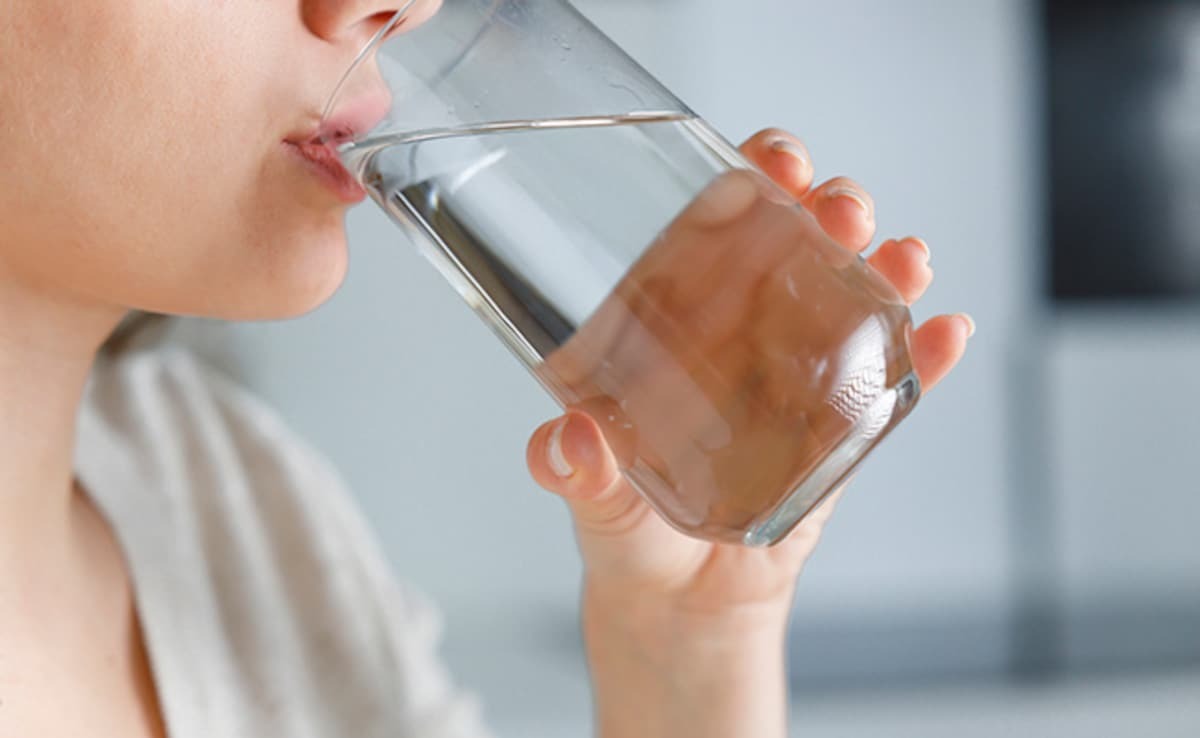

You wake up, stretch, walk into the kitchen, and reach for a glass of water before doing anything else.
For many people, this has become a morning ritual. Some believe that drinking water immediately after waking up helps “flush out” the body, improves digestion, supports clearer skin, or even helps with weight management. Others simply enjoy the refreshing feeling of taking that first sip after several hours of sleep.
But how much of this popular advice is actually supported by science?
Water is unquestionably essential for the human body. It supports countless biological processes, from regulating body temperature to transporting nutrients and helping the body remove waste. However, the idea that water becomes dramatically more beneficial simply because you drink it immediately after waking up is more complicated.
The bigger picture is hydration throughout the entire day.
Why Does Your Body Need Water?
Water is one of the most important substances in the human body. It is found throughout cells, tissues, blood, and organs and plays a role in many everyday processes.
Your body uses water to help regulate temperature, support digestion, transport nutrients, and maintain normal physical functions. Water is also continuously lost through urination, perspiration, breathing, and other normal processes.
Because of this ongoing loss, fluids need to be replaced regularly.
The amount a person needs can vary considerably. Climate, physical activity, body size, diet, age, and overall health can all influence hydration needs.
This is why there is no single amount of water that is perfect for every person.
What Happens While You Sleep?
It is easy to understand why people associate morning water with rehydration.
During sleep, you generally go several hours without drinking. Meanwhile, your body continues normal processes and loses some water through breathing and other routes.
As a result, drinking water after waking can contribute to your daily fluid intake.
For someone who wakes up feeling thirsty, a glass of water can be particularly refreshing.
However, this does not mean that the first glass of water in the morning has a special ability to “reset” the body.
Your body regulates its fluid balance continuously rather than waiting until morning for a major reset.
Myth: Morning Water “Flushes Out” Toxins
One of the most popular claims surrounding morning hydration is that drinking a large glass of water on an empty stomach can flush toxins from the body.
The idea sounds convincing, but the human body already has sophisticated systems for processing and removing metabolic waste.
The kidneys play a major role in maintaining fluid and electrolyte balance and filtering waste from the blood. The liver also performs numerous functions involved in metabolism and processing substances.
Drinking enough water supports normal kidney function, but there is no strong reason to believe that drinking water at a particular moment of the day creates a special cleansing effect.
In other words, hydration is important. A dramatic morning “detox” is a different claim.
Myth: Drinking Water in the Morning Automatically Improves Skin
Another popular belief is that drinking water immediately after waking will produce noticeably clearer or more radiant skin.
Hydration is certainly relevant to overall health, and inadequate fluid intake can contribute to dehydration. But skin appearance is influenced by many factors, including genetics, environment, sleep, nutrition, skincare, and exposure to sunlight.
There is no established rule that drinking water immediately after waking produces a special skin benefit that would not occur from drinking water later.
If someone regularly drinks too little fluid, improving overall hydration may be useful. But the clock itself is unlikely to be the determining factor.
Can Morning Water Help With Weight Management?
This topic requires a little more nuance.
Water contains no calories, and replacing calorie-containing beverages with water can reduce overall energy intake.
Drinking water before a meal may also temporarily increase feelings of fullness for some people. Research has explored whether water consumption before meals can contribute to reduced food intake in certain circumstances.
However, this should not be confused with the idea that morning water alone causes significant weight loss.
Body weight is influenced by numerous factors, including overall dietary intake, physical activity, sleep, genetics, and long-term habits.
A glass of water after waking can be part of a healthy routine, but it is not a magic weight-management strategy.
Does Drinking Water on an Empty Stomach Improve Digestion?
You may have heard that drinking water before breakfast “activates” the digestive system.
There is some logic behind staying adequately hydrated because water is involved in normal digestive processes. Adequate fluid intake can also be important when maintaining regular bowel habits.
However, the specific claim that drinking water immediately after waking dramatically improves digestion is not well established.
For most healthy people, digestion is a continuous physiological process that does not need a special morning trigger.
Drinking water when you are thirsty and consuming enough fluids throughout the day is generally more important than following a strict morning schedule.
Does Water Improve Morning Alertness?
Some people report feeling more awake after drinking water in the morning.
There may be a simple explanation: if someone is thirsty or mildly dehydrated, drinking fluids can help address that discomfort.
But this is different from claiming that water has a unique ability to increase mental performance simply because it is consumed immediately after waking.
Your morning alertness depends on many factors, including sleep duration, sleep quality, daily routine, caffeine intake, nutrition, and individual biology.
Water can be part of the routine, but it should not be viewed as a substitute for adequate sleep.
How Much Water Should You Drink?
There is no universal number that applies perfectly to everyone.
A person’s fluid requirements depend on factors such as age, body size, physical activity, environmental temperature, diet, and health circumstances.
The familiar “eight glasses a day” recommendation is often repeated online, but it is better understood as a simple general guideline rather than a precise medical requirement for every individual.
It is also worth remembering that total fluid intake does not necessarily come only from plain water. Foods and other beverages can contribute to daily fluid intake as well.
People who exercise heavily, spend time in hot environments, or lose significant amounts of fluid may have different needs.
Is Urine Color a Reliable Hydration Test?
Many people check urine color to estimate whether they are drinking enough water.
Urine color can provide some information about hydration, but it is not a perfect measurement. Several factors can influence urine appearance, including foods, supplements, medications, and other circumstances.
Therefore, it is better to consider hydration as part of a broader picture rather than relying on one visual indicator.
Thirst, fluid intake, activity level, environmental conditions, and individual circumstances can all provide useful context.
Is There a Best Time to Drink Water?
For most healthy adults, the most important principle is consistency.
Instead of worrying about whether water must be consumed within a few minutes of waking, consider making hydration part of your entire daily routine.
You might drink water after getting up, with meals, during work breaks, before or after physical activity, and whenever you feel thirsty.
This approach is generally more practical than treating one particular glass of water as especially powerful.
The morning can certainly be a convenient time to begin drinking fluids, especially if you naturally wake up thirsty.
But there is no need to turn it into a complicated ritual.
A Simple Morning Hydration Routine
If you enjoy drinking water after waking, there is nothing unusual about making it part of your routine.
Keep a glass or bottle of water nearby and drink an amount that feels comfortable.
There is no need to force yourself to consume a very large quantity immediately.
You can then continue drinking throughout the day according to your needs.
People who dislike plain water can also obtain fluids from water-rich foods and other appropriate beverages.
The goal is not to win a competition for who can drink the most water before breakfast. The goal is simply to maintain an appropriate fluid intake.
When Should You Be More Careful About Fluid Intake?
Although hydration is important, more water is not automatically better.
Certain medical conditions and medications can affect how much fluid a person should consume. People with specific health circumstances may receive individualized fluid recommendations from their healthcare professionals.
For that reason, anyone who has been advised to restrict or carefully manage fluid intake should follow their healthcare professional’s guidance rather than adopting a generic internet hydration challenge.
Similarly, drinking extremely large quantities of water in a short period is unnecessary and can be harmful.
A balanced approach is much more sensible.
The Real Benefit May Be the Habit Itself
Perhaps the most useful way to think about morning water is not as a miracle treatment but as a simple habit.
Starting the day with a glass of water can remind you to pay attention to hydration. It may also encourage healthier routines throughout the day.
Someone who keeps water nearby may be less likely to rely exclusively on sugary beverages. Someone who drinks water during regular breaks may find it easier to maintain a consistent fluid intake.
In this sense, the psychological value of the habit can be just as interesting as the timing itself.
The glass of water is not magical.
The routine may simply make healthy behavior easier to remember.
So, Should You Drink Water After Waking Up?
If you enjoy drinking water first thing in the morning, there is no reason to stop simply because the practice is not a miracle cure.
Water is essential, and drinking it in the morning contributes to your overall fluid intake.
What deserves caution are the exaggerated claims sometimes attached to the habit.
There is little reason to believe that water becomes uniquely powerful because your stomach is empty or because you drink it at a particular minute of the day.
Instead, think of hydration as a 24-hour process.
Drink when you are thirsty, maintain regular fluid intake, and pay attention to your individual circumstances.
The Bigger Lesson About Health Habits
The fascination with morning water reflects something broader about the way we think about health.
We naturally enjoy simple answers. A single glass of water sounds easier than a complicated discussion about sleep, nutrition, physical activity, stress, and long-term habits.
But health rarely depends on one magical moment.
Small actions become meaningful when they are repeated consistently. Drinking water regularly, eating a balanced diet, getting adequate sleep, staying active, and paying attention to your body’s needs are all parts of a much bigger picture.
So tomorrow morning, if you reach for that glass of water, enjoy it.
Just remember that its greatest benefit is not that you drank it at sunrise. It is that you are giving your body a substance it genuinely needs.
And perhaps that is the most useful lesson of all: when it comes to health, the simplest habits often matter most when they become part of everyday life.
Sources
- U.S. National Academies of Sciences, Engineering, and Medicine: Dietary Reference Intakes for Water
- U.S. Centers for Disease Control and Prevention: About Water and Healthier Drinks
- Mayo Clinic: Water: How much should you drink every day?
- Harvard T.H. Chan School of Public Health: The Nutrition Source – Water
- National Institute of Diabetes and Digestive and Kidney Diseases: Your Kidneys & How They Work
