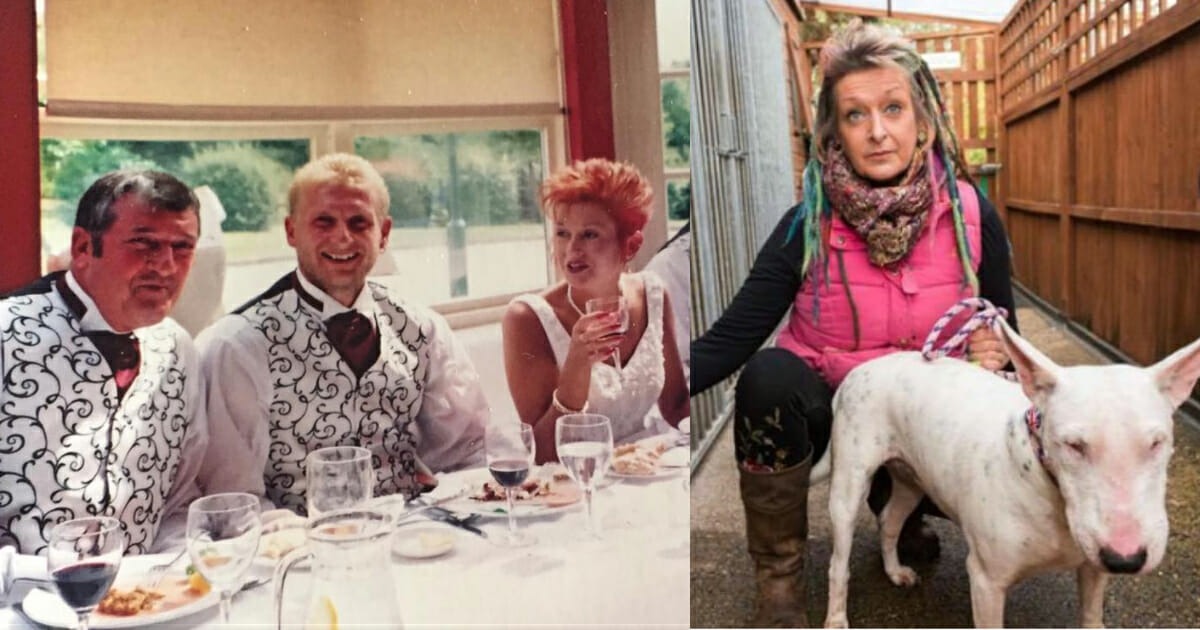

Some moments in life arrive quietly, without warning. A door closes, a conversation shifts, or a question is asked that suddenly changes the course of everyday routines. For many people who adore their pets, animals are more than companions; they are part of the household, shaping moods, habits, and even life purpose. This is the emotional landscape surrounding the well-known story of a woman from Suffolk whose dedication to her dogs sparked worldwide discussion.
Her name is Liz Haslam, and the crossroads she faced continues to fascinate readers because it touches on something universal: how far someone will go for what they deeply care about.
In the heart of Barnham, Suffolk, Liz built a life shaped by compassion, responsibility, and an unwavering commitment to rescued bull terriers. Her journey highlights not only the powerful relationship humans share with animals but also the cultural values and scientific perspectives that help explain why such bonds often feel unbreakable.
Understanding the Story Behind Liz and Her Beloved Dogs
A Life Devoted to Rescue Work
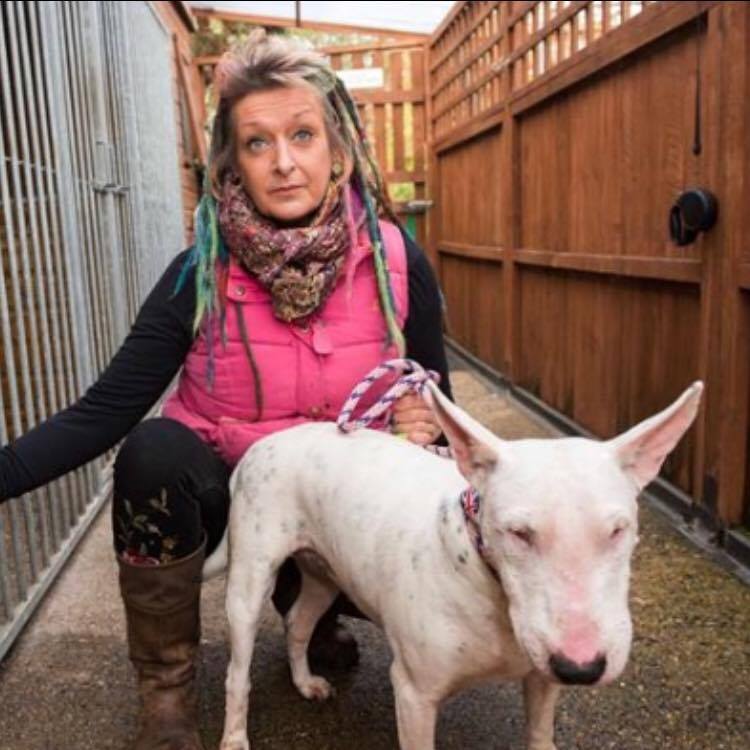
Before her story appeared on international platforms, Liz had already spent many years caring for bull terriers with a level of dedication that few people manage in their daily routines. Her two-bedroom farmhouse sat on half an acre of land, enough space to support a boarding kennel that would eventually become Beds for Bullies, her personal rescue effort.
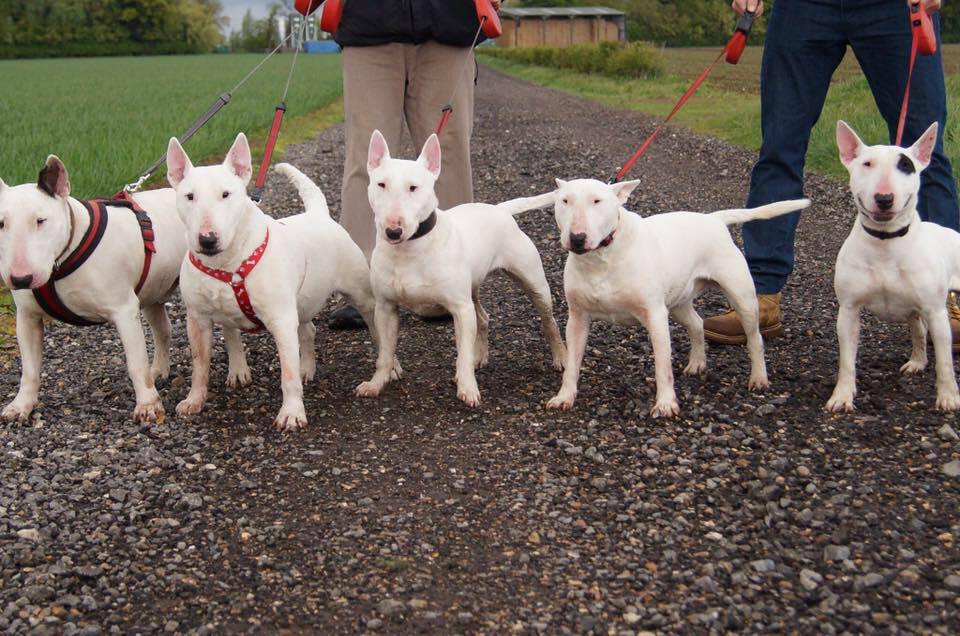
This organization was created to offer care to bull terriers who needed a safe environment. Some of the dogs came from complicated backgrounds, while others needed a calm place to adjust and learn. The kennel could hold up to 30 dogs at a time, which meant that Liz’s daily schedule revolved around feeding, walking, cleaning, and helping each dog feel secure. Reports estimate she spent nearly 18 hours each day managing their needs, from outdoor activity to medication and specialized care.
While many people dream of spending more time with animals, Liz lived it fully. Her routine became a lifestyle, one shaped entirely around the well-being of her dogs.

A Marriage Shaped by Two Different Paths
For years, Liz and her husband Mike shared their farmhouse and family life while raising their son. After meeting at 16 and later marrying in 1991, they built a long relationship anchored in shared experiences. But as Liz’s involvement with her rescue work grew, it gradually became the center of her world.
According to interviews and reports, the situation eventually became overwhelming for Mike, who longed for a slower, quieter life. A point came when he felt that the rescue work dominated too much of their shared time. He expressed that he struggled to adjust to a home environment filled with the constant activity and responsibilities of a dog sanctuary.
This led to a difficult conversation—one that would become the focus of many articles and online discussions. As reported by Express and later retold by Newsner, he asked her to make a choice. It was a request that surprised many who read the story.
The Choice Liz Made and Why It Resonated With So Many People
Faced with the question, Liz chose what she believed she had to choose: her rescue dogs. For her, caring for them was not a hobby or a casual interest. It was a mission—something that brought purpose to her days and compassion to her community.
She shared that she had not heard from her husband since the moment he decided to step away from their life together. Still, she remained positive. She believed strongly that her work mattered, and she stayed committed to the animals who relied on her.
Her choice sparked thousands of reactions online. Some readers empathized with her devotion to the dogs, while others felt compassion for both individuals, recognizing the challenge of balancing family and personal passions.
The story became popular not because of conflict, but because of the values it highlighted: dedication, love, duty, and the different ways people define happiness.
Why Do People Feel Such Strong Bonds With Animals?
To understand why Liz chose her dogs, it helps to explore both cultural significance and scientific perspectives regarding human–animal relationships.
Cultural Views on Loyalty and Compassion
Across many cultures, pets symbolize loyalty, companionship, and emotional connection. Dogs especially hold a deep cultural presence as helpers, guardians, and trusted partners in daily life. Stories of devotion between dogs and humans appear in folklore, literature, and modern media worldwide.
For many people, adopting a dog is not merely adding a pet to the home—it is welcoming a member of the household. The emotional role of a pet often expands into routines, decision-making, and even personal identity.
Liz’s story reflects this cultural understanding: her rescue work was meaningful not only because it helped animals, but because it aligned with her values and sense of purpose.
Scientific Insight Into the Human–Pet Bond
Scientific research offers further explanation for why people form such strong connections with animals.
Studies suggest that interacting with pets can support emotional well-being. The bond between humans and dogs can trigger the release of hormones associated with comfort and trust, such as oxytocin. This biochemical response helps explain why people often feel calmer or more grounded when spending time with their pets.
Animals also offer a form of companionship that feels steady and nonjudgmental, which may help individuals create routines, build resilience, and feel supported during daily stress.
In rescue settings like Liz’s, the responsibility of caring for animals can amplify these effects. The sense of purpose gained from helping a dog recover, learn, or adapt can be deeply fulfilling for many caregivers.

When Passion Shapes Lifestyle Choices
From a scientific perspective, passion-based decisions often arise when a person’s long-term identity aligns strongly with a specific activity or cause. In Liz’s case, her rescue work gradually evolved from an interest into a life mission. Such transformation is common among dedicated volunteers, educators, medical professionals, and anyone who feels called to a meaningful purpose.
Stories like Liz’s reveal how personal identity, cultural values, and emotional connections can influence decisions in powerful ways.
Different Perspectives: Understanding Both Sides With Empathy
It is helpful to recognize that situations like the one Liz and her husband experienced are often complex. Each individual may carry their own hopes, expectations, and emotional needs.
Mike’s desire for a more peaceful lifestyle is understandable. Liz’s dedication to her dogs is equally understandable. Neither position must be viewed negatively to appreciate the story. Instead, it illustrates how two people who cared for each other reached a moment where their paths no longer aligned.
Many readers responded to the story because it reflects real-life experiences familiar to many couples: growing commitments, shifting priorities, and the delicate challenge of maintaining balance.
What makes this story unique is not the conflict but the clarity with which Liz understood her purpose. Her decision shows how personal values can guide meaningful choices, even when they are difficult.
What This Story Teaches Us About Passion and Personal Fulfillment
Liz continues to devote her time to caring for dogs in need, a choice that brought her renewed purpose and joy. Her experience offers several reflections:
Passion can become a guiding force that shapes life direction.
Helping others—whether people or animals—can create a strong sense of fulfillment.
Personal values often influence long-term decisions more than convenience or circumstance.
Most importantly, her story reminds us that defining happiness is a deeply personal process. What brings meaning to one person may differ from what inspires another.
Conclusion: A Story That Reflects Human Curiosity and the Search for Meaning
Liz’s journey resonates worldwide because it raises thoughtful questions about love, commitment, and personal calling. Whether someone views her decision as remarkable or simply heartfelt, the story encourages reflection on how individuals choose what matters most in their lives.
Human curiosity often draws us to stories like this because they reveal the complexity of relationships, the depth of compassion, and the many ways people find purpose. In exploring her experience, we gain not only insight into the bond between humans and animals but also a clearer understanding of how our choices shape the stories we eventually share.
Sources
en.newsner.com
Express UK
Interviews and public statements from Beds for Bullies and associated rescue reports
