

There are moments during an ordinary day when something small and unplanned reminds us of compassion. A gentle interruption to a routine commute, a quiet pause in a busy schedule, or an unexpected encounter with nature can suddenly become a story worth retelling. This was exactly what happened on a peaceful afternoon in Turkey, when a streetcar conductor noticed a tiny figure on the tracks ahead. What unfolded next would not only inspire passengers but also resonate with people around the world.
This is the story of a simple act of kindness, the cultural values that shaped it, and the curious way humans interpret extraordinary moments with both emotion and imagination.

The Moment That Changed an Ordinary Day
As the streetcar glided along its familiar route, conductor Serhat Topal observed something unusual on the rails. It was not a fallen branch or a piece of debris. Instead, it was a small turtle, slowly attempting to cross the tracks. According to Serhat’s own reflections, the turtle seemed unsure and possibly overwhelmed by the unfamiliar setting.
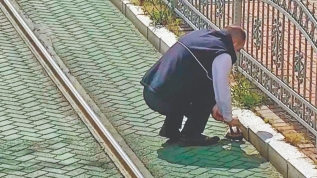
Recognizing the situation, Serhat made a decision that would briefly pause the routine of every passenger on board. He brought the train to a gentle stop, stepped out, and approached the tiny traveler with care. What happened next was captured by a camera nearby, though Serhat reportedly had no idea he was being filmed.
With calm hands, he picked up the turtle and carried it safely beyond a nearby fence. Once placed on the grassy side of the track, the turtle continued on its way, free from danger.

Why This Story Resonated Around the World
Stories like this often attract attention because they highlight something universal: the instinct to help. While different cultures express this instinct in unique ways, compassion remains a strong element of human identity.
In Turkey, care for animals is deeply woven into daily life. From placing water bowls outside during hot days to supporting community initiatives for stray animals, many people see this as a natural part of living harmoniously with the environment. When Serhat explained the brief delay to his passengers, they reportedly responded with understanding, even appreciation.
Although the moment itself was simple, it reflected values shared by many communities around the world—respect for living beings and the belief that small actions can make a meaningful difference.

Cultural Interpretations of Unexpected Animal Encounters
In many cultures, encounters with animals are sometimes interpreted as symbols or signs. While these interpretations are traditional and not based on scientific evidence, they offer insight into how people process unexpected experiences.
Some cultures view turtles as reminders of patience and steadiness. Because these creatures move slowly and appear thoughtful in their movements, stories about them often highlight persistence and calm. For some people, meeting a turtle unexpectedly may feel like a gentle symbolic message about slowing down or paying attention to life’s small details.
These interpretations are cultural rather than factual, but they illustrate the timeless human tendency to seek meaning in ordinary events. They also show how stories travel, grow, and take on deeper emotional resonance.
The Scientific Perspective: Understanding Turtle Behavior
While cultural symbolism adds depth to the story, scientific insights help us understand why a turtle might have been on the tracks in the first place.
Turtles are known for their instinctive, goal-oriented movement patterns. When they decide on a direction—often in search of food, nesting sites, or warmer ground—they stay committed to that path. Tracks, roads, and urban structures are obstacles they navigate without awareness of potential hazards.
Wildlife organizations emphasize that this behavior is natural and not a sign of distress unless the animal is physically harmed. A turtle moving steadily toward a specific direction is generally following an instinctive route.
Scientists advise that when helping a turtle cross a path, the safest approach is to move it in the direction it was already heading. This prevents the animal from attempting to cross again. Serhat’s action aligned with this well-known animal safety guideline, which may be one reason the turtle immediately continued on its journey once placed on the other side.

The Growing Awareness of Urban Wildlife Interactions
As cities expand, interactions between humans and small wildlife are becoming increasingly common. Urban planners, conservation groups, and transportation departments in many countries are recognizing the importance of balancing infrastructure with natural movement patterns.
While large wildlife crossings—such as bridges or tunnels—often receive attention for helping bigger species, even smaller interventions can make a difference for tiny creatures like turtles. These include:
• maintaining natural vegetation near transit routes
• creating small openings along fences to allow animals to pass
• educating the public about proper wildlife assistance
Although the single act of helping one turtle does not solve the broader challenges of urban wildlife navigation, it raises awareness, inspiring conversations about coexistence and thoughtful design.
Why Small Acts of Kindness Matter
Some may wonder whether a brief stop for a turtle makes any lasting impact. From a purely practical standpoint, the action addressed an immediate situation. Yet stories like this tend to spread because they highlight the meaningful intersection of compassion, responsibility, and community values.
Passengers later described feeling supportive of Serhat’s decision once they learned why the train paused. Their response reflects a broader truth: kindness often encourages more kindness. When someone chooses empathy over convenience, it can influence the attitudes of everyone who witnesses it.
In a world full of busy schedules and constant motion, a small pause for something vulnerable can remind us of the importance of balance. It also shows that caring for nature does not always require large initiatives—sometimes it begins with one mindful moment.
The Role of Technology in Sharing Inspiring Stories
Serhat reportedly did not know that a camera was recording his actions. Yet the footage later circulated online, reinforcing how modern technology can transform a small local incident into a global example of compassion.
This widespread sharing sometimes leads viewers to attach symbolic meaning to the moment. While these interpretations vary, they demonstrate the power of storytelling in shaping human perspectives. A simple act becomes a narrative about values, culture, and connection.
At the same time, responsible media coverage encourages a balanced approach. Presenting extraordinary elements as possibilities rather than confirmed facts helps maintain accuracy while still celebrating meaningful moments.
A Gentle Reminder About Our Relationship With Nature
Animal encounters, whether planned or accidental, encourage reflection. They remind us that even in modern environments, we share space with diverse species that follow their own natural rhythms.
When a person chooses to pause and help, it creates a bridge between two worlds: the structured pace of urban life and the quiet persistence of nature. These moments enrich our understanding of coexistence, showing that harmony is achievable through small, thoughtful gestures.
Serhat’s calm response to an unexpected situation demonstrates how ordinary individuals can make compassionate choices without seeking recognition. The beauty of the story lies in its simplicity and sincerity.

Conclusion: What This Story Teaches Us About Human Curiosity
Human curiosity naturally gravitates toward stories where kindness reshapes an everyday moment. We are drawn to narratives that remind us of gentleness, responsibility, and connection. When a conductor stopped a train for a small turtle, people from around the world became invested—not because the event was grand, but because it reflected values they recognized within themselves.
We look for meaning in moments like these because they help us understand both nature and our own character. They encourage us to ask questions, wonder about the world, and notice the small details we often overlook.
In the end, the story of the turtle on the tracks is not just about a streetcar or an animal crossing a path. It is a reflection of the enduring curiosity that inspires humanity to observe, care, and learn from even the quietest moments around us.
Sources
www.theanimalclub.net
The Dodo
General wildlife behavior guidelines from public animal welfare organizations
