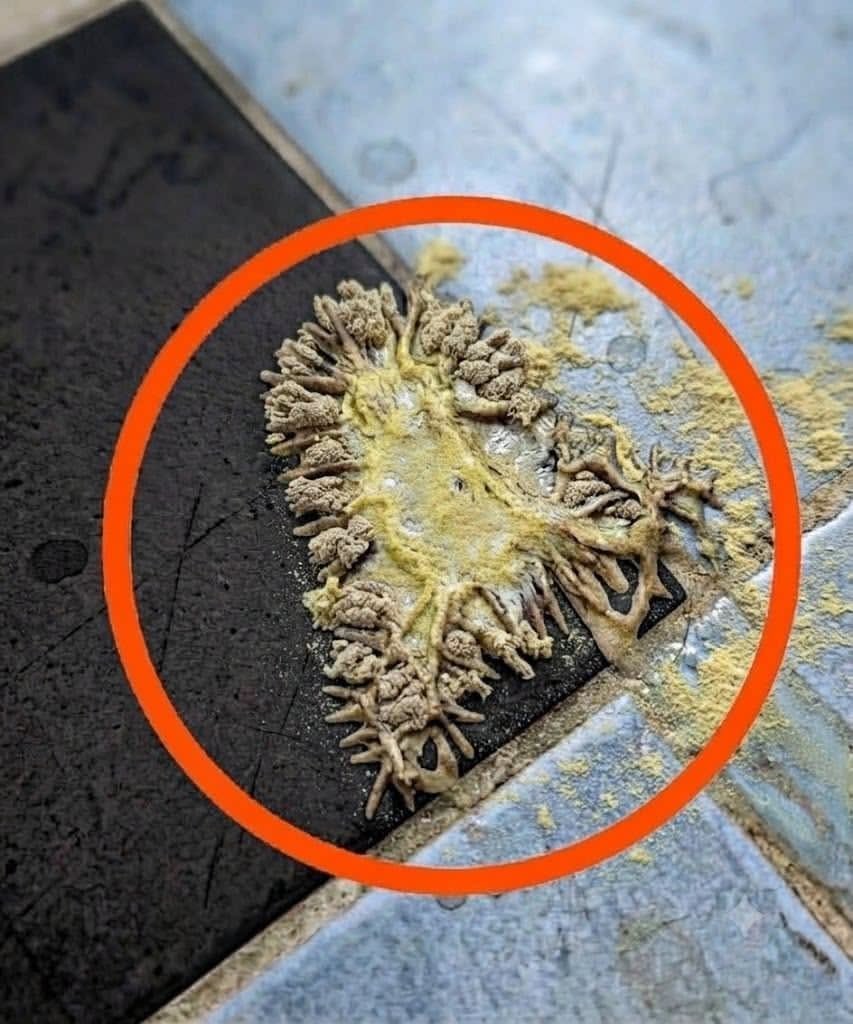

6 Strange Bathroom Signs You Should Never Ignore
The first signs are easy to overlook: a faint musty smell, a slow drip beneath the sink, or a toilet that seems to refill by itself in the middle of the night. These small disturbances can feel mysterious, especially when you cannot immediately identify their source.
But in most cases, the explanation is less frightening than it seems. Your bathroom may simply be showing early signs of excess moisture, plumbing trouble, or inadequate ventilation.
Recognizing these clues early can help prevent more serious damage and avoid expensive repairs.
1. A Persistent Musty Smell
A damp, earthy odor is one of the most common signs that moisture may be accumulating somewhere in your bathroom.
Even if the walls and floor appear dry, water can collect behind tiles, beneath sinks, around plumbing connections, or inside cabinets. When moisture remains trapped for long periods, it can encourage mold and mildew growth.
Start by checking areas that are easy to overlook, including the space beneath the sink, the edges of the bathtub, and the seals around the shower. Look for peeling paint, discolored grout, swollen wood, or damp patches.
If the smell persists despite regular cleaning and ventilation, there may be a hidden leak or moisture problem that requires professional inspection.
2. Pink or Orange Slime Around the Sink
Pink or orange residue around drains, shower corners, and bathtub edges can look alarming, but it is often associated with microorganisms that thrive in damp environments.
One common cause is a bacterium called Serratia marcescens. It can form a pinkish film on surfaces where moisture and traces of soap or other organic material accumulate.
Although this residue is not usually a sign of a serious problem by itself, it should still be cleaned regularly. Avoid touching it unnecessarily, especially if you have open cuts or a weakened immune system.
Use an appropriate bathroom cleaner according to its label, rinse surfaces thoroughly, and dry areas that remain wet after use. Never mix cleaning products, particularly bleach with ammonia or acidic cleaners, because dangerous gases can be released.
If the residue keeps returning, improving ventilation and reducing standing water may help limit its growth.
3. A Toilet That Refills by Itself
Have you ever heard your toilet suddenly start running even though nobody has used it?
This familiar but puzzling sound often indicates a problem inside the toilet tank. A worn flapper, faulty fill valve, or improperly adjusted float can allow water to escape slowly into the bowl.
When the water level drops, the fill valve activates to refill the tank. The result is a toilet that seems to have a mind of its own.
Although the issue may appear minor, a constantly running toilet can waste a surprising amount of water over time.
Check whether the sound stops after the tank fills. If it continues or repeatedly starts again, inspect the tank components or contact a plumber. Replacing a worn part is often a relatively simple repair.
4. Dripping Sounds When Nothing Seems Wet
A dripping noise behind a wall or beneath a sink can be difficult to locate. Sometimes, the cause is harmless condensation. Cold water flowing through pipes can cause moisture to form on their outer surfaces, particularly in warm, humid bathrooms.
However, dripping sounds can also indicate a loose connection, a damaged pipe, or a slow leak.
Look for water stains, damp cabinet floors, peeling finishes, or unusual changes in your water bill. You can also check whether the noise occurs mainly after a shower or when cold water is running.
If the sound continues when the plumbing is not being used, do not assume it is simply condensation. A plumber can help determine whether water is escaping from a concealed connection.
Finding the source early may prevent damage to flooring, cabinets, and nearby walls.
5. A Mirror That Stays Foggy for Too Long
A foggy mirror after a hot shower is completely normal. The concern arises when condensation remains for an unusually long time or appears alongside damp walls, peeling paint, and a persistent musty smell.
Bathrooms naturally accumulate humidity, but poor ventilation allows that moisture to linger. Over time, repeated condensation can contribute to mold growth and deterioration of finishes.
If your bathroom has an exhaust fan, make sure it is working properly and that its vent is not obstructed. Running the fan during a shower and for a period afterward can help remove excess moisture.
Opening a window when practical may also improve airflow. Wiping down wet surfaces and leaving the shower curtain or door open after use can further reduce lingering dampness.
If condensation remains excessive despite these measures, the ventilation system may need attention.
6. A Metallic Smell or Unusual Taste in the Water
Water that smells metallic or has an unusual taste may be associated with corrosion in plumbing components, elevated concentrations of certain minerals, or other water-quality issues.
Older pipes and fixtures can sometimes contribute to changes in water quality. However, smell alone cannot establish whether the water is safe to drink.
If the change affects only one faucet, the problem may be localized to that fixture or its plumbing. If it occurs throughout the home, the supply system may need to be investigated.
Try running the cold tap briefly and checking whether the smell persists, but do not rely on this step to determine safety. If the water remains unusual, contact your water supplier or a qualified plumber. Depending on the circumstances, water testing may be appropriate.
If you suspect contamination, use a known safe water source until the issue has been assessed.
Why Small Bathroom Problems Can Become Expensive
Many bathroom issues begin quietly. A tiny leak can damage cabinetry, weaken flooring, and create conditions that support mold growth. Poor ventilation can gradually damage paint and grout, while a running toilet can increase water consumption month after month.
The key is not to panic over every unusual sound or smell. It is to recognize when a change persists or appears alongside other warning signs.
A simple maintenance routine can make a difference:
-
Check beneath sinks and around toilets for signs of moisture.
-
Clean drains, shower corners, and other damp surfaces regularly.
-
Use ventilation during and after showers.
-
Repair dripping faucets and running toilets promptly.
-
Investigate unexplained water stains, persistent odors, or unusual changes in water quality.
For extensive mold growth, recurring leaks, or signs of water damage inside walls, professional assessment is often the safest approach.
Your Bathroom May Be Telling You Something
A musty smell, a toilet that runs at night, or a mirror that never seems to clear can feel unsettling when the cause is unknown. Yet these signs often have practical explanations.
The important thing is to pay attention before a small issue develops into a larger repair.
By keeping your bathroom clean, controlling humidity, checking plumbing, and investigating persistent changes, you can protect your home and maintain a healthier indoor environment.
Sometimes, what initially seems like a mystery is simply a maintenance problem waiting to be solved.
Editorial note: This article provides general home-maintenance information. Persistent water-quality changes, suspected hidden leaks, and significant mold growth may require professional assessment.
