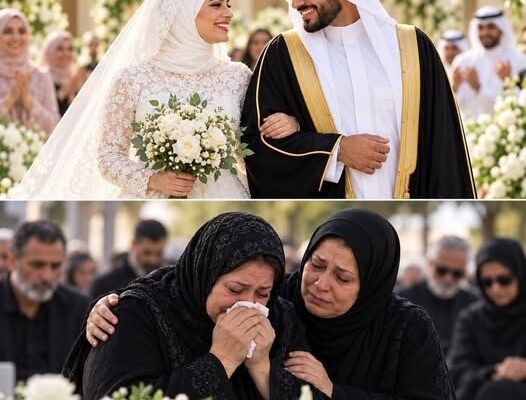

Sudden Loss After a Wedding: Understanding Grief, Heart Health, and Healing
Stories of a joyful wedding followed by an unexpected death can be deeply affecting. They remind readers that major life events can change without warning, and that grief does not follow a predictable timetable. However, personal accounts shared online are not always independently verifiable. Rather than presenting unconfirmed details about private individuals as fact, this article examines the broader, evidence-based issues raised by sudden bereavement: unexpected cardiac death, the emotional impact of losing a partner, and the support that may help people move forward.
Sudden loss can occur at any age and in many circumstances. When it happens shortly after a wedding, engagement, birth, retirement, or another milestone, the contrast between celebration and bereavement may intensify the shock. Families may find themselves managing grief alongside urgent practical responsibilities, including medical questions, funeral arrangements, legal matters, and communicating with friends and relatives.
Why Sudden Bereavement Can Feel So Overwhelming
Bereavement is a natural response to the death of someone important. Yet an unexpected death can be especially difficult because there may have been no opportunity to prepare, say goodbye, or make sense of what happened. People often describe the first days or weeks as unreal, confusing, or emotionally numb. Others experience intense sadness, anger, anxiety, guilt, difficulty concentrating, or changes in sleep and appetite.
These reactions do not mean a person is grieving incorrectly. The National Health Service notes that grief can affect people emotionally, physically, and socially, and that there is no fixed timetable for recovery. A person may feel relatively calm one day and overwhelmed the next. Anniversaries, photographs, familiar places, music, and major holidays can also bring renewed waves of sadness.
When a loss occurs after a wedding, there can be an additional layer of disorientation. The plans, promises, travel arrangements, gifts, photographs, and future expectations associated with the celebration may suddenly feel painful. A surviving partner may feel caught between the public memory of a happy occasion and the private reality of mourning. Both experiences can exist at the same time.
Understanding Sudden Cardiac Events
Heart disease remains one of the leading causes of death worldwide. According to the World Health Organization, cardiovascular diseases include conditions affecting the heart and blood vessels, and they account for a substantial share of deaths globally. A heart attack, also called a myocardial infarction, usually occurs when blood flow to part of the heart muscle is blocked. Without rapid treatment, heart tissue can be damaged.
It is important to distinguish a heart attack from sudden cardiac arrest. A heart attack is primarily a circulation problem caused by reduced or blocked blood flow to the heart. Sudden cardiac arrest is an electrical problem in which the heart unexpectedly stops pumping blood effectively. A heart attack can sometimes trigger cardiac arrest, but the terms are not interchangeable.
Not every serious cardiac event has obvious warning signs. Some people have chest discomfort, shortness of breath, nausea, unusual fatigue, dizziness, or pain spreading to the arm, back, neck, jaw, or stomach. Symptoms can vary between individuals, and some people may experience less typical symptoms. The Mayo Clinic and the American Heart Association advise seeking emergency medical help immediately when heart attack symptoms are suspected.
At the same time, it is not appropriate to assume that any individual death was caused by a heart attack without official medical information. Determining a cause of death requires qualified medical assessment and, in some cases, further investigation. Families dealing with an unexpected death may have questions that can only be answered by clinicians, coroners, medical examiners, or other relevant local authorities.
Risk Factors and the Importance of Prevention
Some cardiovascular risk factors can be changed, while others cannot. Age, family history, and certain inherited conditions may contribute to risk. Factors that can often be managed include high blood pressure, high cholesterol, diabetes, smoking, physical inactivity, an unhealthy diet, obesity, and excessive alcohol use.
Prevention is not about blaming people for illness. Many health conditions are influenced by genetics, access to care, stress, work patterns, and wider social circumstances. Still, regular health checks can help identify risks before they become emergencies. Blood pressure testing, cholesterol checks, diabetes screening where appropriate, and conversations with a healthcare professional may be useful for people with personal or family risk factors.
Public-health guidance generally supports a balanced diet, regular physical activity, avoiding tobacco, limiting alcohol where relevant, and following prescribed treatment for conditions such as hypertension or diabetes. Anyone with concerning symptoms or a strong family history of early heart disease should seek personalized advice from a qualified clinician rather than relying on general online information.
Guilt After an Unexpected Death
One of the most painful responses to sudden loss is guilt. A bereaved partner may repeatedly ask whether they missed a symptom, should have encouraged a medical appointment, or could have acted differently. These thoughts are common, particularly when there was no known diagnosis or warning. They can be part of the mind’s attempt to impose order on an event that feels impossible to understand.
In many cases, loved ones are not medically trained and cannot reasonably be expected to recognize every possible sign of illness. It may help to speak with a doctor or bereavement counselor about unanswered questions, while recognizing that some uncertainty may remain. Compassionate support should avoid telling a grieving person simply to “move on” or “stop blaming yourself.” A more helpful response may be: “You did what you could with the information you had.”
If guilt becomes relentless, or if a person feels unable to function, professional mental-health support can be important. Therapy does not remove love or erase memories. It can provide a private, structured place to process distressing thoughts and develop ways to live alongside loss.
Practical Steps in the First Days and Weeks
Immediately after a death, practical tasks can feel unmanageable. Friends and family can offer meaningful help by taking on specific responsibilities rather than making vague offers. This may include contacting relatives, arranging meals, helping with transport, organizing documents, speaking to an employer, or accompanying the bereaved person to appointments.
A surviving spouse or partner may also need time before making major financial or legal decisions. Depending on the country, this can involve obtaining death certificates, notifying banks and insurers, reviewing wills, speaking with a solicitor or estate professional, and understanding inheritance procedures. Trusted legal and financial guidance can reduce pressure during an already difficult period.
It can also be wise to preserve important records and give oneself permission to postpone non-urgent decisions. Grief may affect concentration, memory, and confidence. There is no need to rush into clearing belongings, selling property, changing jobs, or making other life-altering choices unless circumstances require immediate action.
How Friends and Families Can Offer Better Support
Support after sudden bereavement should be practical, patient, and respectful. Many grieving people appreciate hearing the name of the person who died and being invited to share memories. Others may not want to talk at a particular moment. The key is to follow their lead.
Helpful actions can include checking in after the first weeks, remembering significant dates, offering a quiet visit, sending a message without expecting a reply, or providing practical assistance. Support matters long after the funeral, when public attention may have moved on but grief remains present.
It is usually best to avoid comparisons such as “I know exactly how you feel,” even when someone has experienced a similar loss. Every relationship and bereavement experience is unique. Statements like “They are in a better place” or “Everything happens for a reason” may be comforting to some people but painful to others. Simple words such as “I am so sorry,” “I am here,” and “You do not have to handle this alone” can be more meaningful.
Finding Meaning Without Pressure to “Get Over It”
Healing after loss does not require forgetting the person who died. Many bereaved people maintain continuing bonds through photographs, rituals, charitable giving, shared traditions, memory books, or conversations with trusted family members. Some establish scholarships, volunteer projects, or fundraising efforts connected to a loved one’s values. These choices can be meaningful, but they are personal rather than required.
For some people, returning to work or routine offers stability. For others, grief support groups provide comfort by connecting them with people who understand sudden loss. Faith communities, counselors, charities, and local bereavement services may all play a role. There is no single correct path, and the goal is not to reach a point where the loss no longer matters. Instead, many people gradually learn to carry their memories while rebuilding daily life.
When to Seek Professional or Emergency Help
Most grieving people experience intense emotions without needing emergency intervention. However, immediate help is essential if someone is at risk of harming themselves or others, feels unable to stay safe, or is experiencing a mental-health crisis. Contact local emergency services or an urgent crisis service in these circumstances.
Professional support may also be beneficial when grief remains persistently overwhelming, daily functioning is severely impaired, or symptoms of depression, anxiety, trauma, or prolonged grief are becoming difficult to manage. A primary care doctor, licensed therapist, bereavement counselor, or local support organization can help identify appropriate resources.
A Compassionate Reminder About Love and Loss
Sudden bereavement exposes a difficult truth: life cannot always be planned or protected against every risk. But it also highlights the importance of connection. Weddings, partnerships, and family celebrations matter because they express commitment, care, and shared hope. The fact that a life is shorter than expected does not make the relationship less real or the love less meaningful.
For those grieving a spouse, partner, family member, or friend, it may help to focus on one day at a time. Accept support, attend to basic needs where possible, and allow emotions to change from moment to moment. There is no deadline for mourning, and asking for help is not a failure. It is a practical and compassionate response to a profound human experience.
Sources
Disclaimer: This content is intended for entertainment purposes only and is not based on real events.
