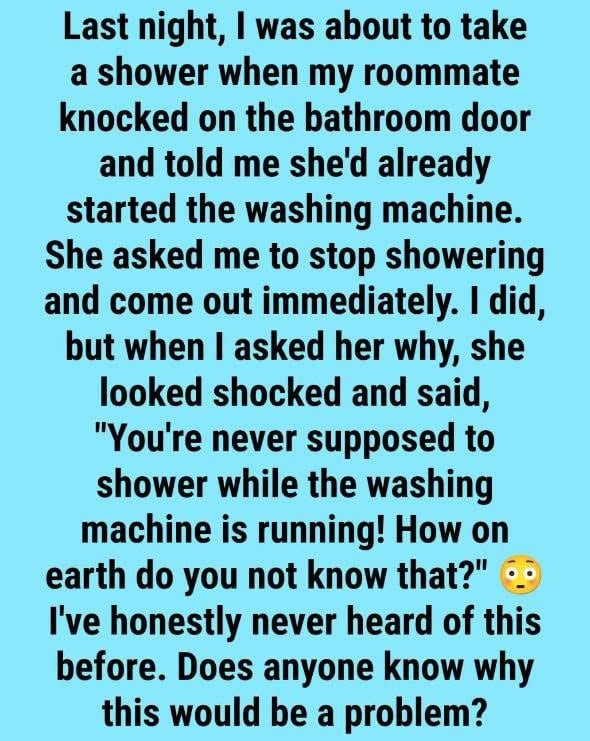

Can You Shower While the Washing Machine Is Running?
For many households, doing laundry and taking a shower at the same time is a normal part of a busy day. In most modern homes, it is generally safe to shower while a washing machine is running. However, you may notice changes in water temperature, pressure, or flow when the appliance begins filling or moves into a rinse cycle.
These changes are usually related to the way a home’s plumbing system distributes hot and cold water. They are not automatically a sign that the washing machine, water heater, or shower is unsafe. Still, sudden temperature shifts can be uncomfortable and, in some cases, may indicate that the home would benefit from plumbing maintenance or updated fixtures.
Understanding what happens when multiple fixtures use water at once can help you use your home’s plumbing system more confidently and recognize when it is time to contact a qualified plumber.
Is It Safe to Shower While a Washing Machine Is Running?
In most cases, yes. A washing machine is designed to operate while other household fixtures, including showers, sinks, and toilets, are being used. Modern plumbing systems and appliances are built with the expectation that more than one person or device may need water at the same time.
The main concern is not normally electrical safety or direct contamination. It is the possibility of changing shower conditions. When a washing machine draws cold or hot water, it can temporarily reduce the supply available to the shower. Depending on the plumbing layout and shower valve, this may make the shower water feel cooler, hotter, weaker, or less consistent.
Older homes are more likely to experience noticeable changes because they may have smaller water supply pipes, aging fixtures, older water heaters, or traditional shower valves that do not balance pressure effectively. Homes with updated plumbing and pressure-balancing or thermostatic shower valves often maintain a steadier temperature when another fixture turns on.
Why Does Shower Water Temperature Change During Laundry?
A shower mixes hot and cold water to reach the temperature selected by the user. If the washing machine starts drawing cold water, the amount of cold water reaching the shower may briefly decrease. The shower’s mixture can then contain a greater proportion of hot water, making the water feel warmer.
The reverse can also happen. If the washing machine draws hot water, it may reduce the hot-water supply available to the shower. This can make the shower turn cooler, especially in homes with a conventional storage-tank water heater or a water heater that is already serving several fixtures.
Temperature changes may be especially noticeable when the washer fills, pauses, or begins a rinse cycle. Front-loading and high-efficiency machines often use less water overall than older top-loading models, but their water intake can still affect a shower depending on the household’s plumbing design.
Water Pressure and Flow Can Also Be Affected
In addition to temperature, a running washing machine may affect shower pressure. Water pressure describes the force that moves water through pipes, while flow refers to the amount of water delivered over time. When several fixtures are using water, available flow may be divided between them.
A brief drop in shower flow is often harmless. It may simply mean that the washing machine is filling its drum. However, a severe or frequent loss of pressure can point to an underlying issue, such as partially closed shutoff valves, mineral buildup in pipes or showerheads, a failing pressure regulator, undersized supply lines, or a problem with the home’s water source.
Households served by a private well may notice pressure fluctuations more readily if the pressure tank, pump, or related equipment is not operating efficiently. Anyone concerned about recurring pressure problems should seek advice from a licensed plumbing professional or qualified well-service provider.
How Your Shower Valve Makes a Difference
The type of shower valve installed in your bathroom has a major effect on how stable the water temperature remains. Older systems may use simple manual mixing valves. These rely on the user to set the balance between hot and cold water, but they may not automatically compensate if pressure changes elsewhere in the home.
Pressure-balancing valves are designed to respond when the pressure of either hot or cold water changes. For example, if a washing machine begins using cold water, the valve can help reduce the hot-water side proportionally, limiting a sudden increase in shower temperature.
Thermostatic mixing valves go further by regulating the temperature of the mixed water. They can provide more consistent results when household demand changes, although performance still depends on proper installation, maintenance, and an adequate hot-water supply.
Building codes and plumbing standards vary by location, but anti-scald protections are widely encouraged because they help reduce the risk of excessively hot water at bathing fixtures. If your shower frequently becomes unexpectedly hot or cold when appliances run, asking a plumber about a pressure-balancing or thermostatic valve may be worthwhile.
Does the Type of Water Heater Matter?
Yes. The capacity and condition of a water heater can influence your shower experience while laundry is in progress. A conventional tank water heater stores a limited volume of heated water. If the washer uses hot water during a cycle, it may reduce the hot water available for showers, dishwashing, or other tasks.
Tankless water heaters heat water on demand and can provide a continuous supply under suitable conditions. However, they also have flow-rate limits. If multiple fixtures request hot water at the same time, the unit may not be able to maintain the desired temperature for every fixture. The result can be reduced temperature or flow, particularly with smaller units or in colder climates where incoming water starts at a lower temperature.
Water heater settings are important as well. The U.S. Department of Energy notes that a setting of 120°F, or about 49°C, is commonly recommended for many households because it can reduce energy use and lower the risk of scalding compared with higher settings. Individual needs may vary, and households should follow manufacturer guidance and local requirements.
When Showering During Laundry May Be Less Comfortable
Although showering while the washing machine runs is usually safe, some situations may make it less convenient. You may prefer to wait until a wash cycle finishes if your home has very inconsistent water pressure, a small hot-water tank, an older shower valve, or a history of abrupt temperature changes.
It can also be sensible to avoid running several water-intensive appliances at once. A shower, washing machine, dishwasher, and multiple faucets operating simultaneously can place greater demand on the plumbing system and water heater. This does not necessarily create a hazard, but it can reduce comfort and may lengthen the time needed for hot water to recover.
Families can reduce inconvenience by scheduling high-water-use activities at different times. For example, starting a laundry cycle after morning showers or using cold-water wash settings when appropriate may help maintain more stable hot-water availability.
Signs That a Plumbing Check May Be Needed
A small, short-lived shift in shower flow or temperature when the washer fills is common. More significant changes deserve attention. Consider contacting a qualified plumber if you notice any of the following:
- Water becomes extremely hot or cold without warning.
- Shower pressure drops sharply whenever any appliance uses water.
- Water temperature remains unstable even when no other fixtures are in use.
- You hear persistent banging, knocking, or unusual noises in pipes.
- There are visible leaks, damp areas, corrosion, or signs of water damage.
- The washing machine fills unusually slowly or displays water-supply error messages.
- Hot water runs out much faster than usual throughout the home.
These symptoms can have several causes, from a clogged showerhead to a water heater issue, a defective mixing valve, or a broader supply problem. A professional inspection can identify the cause without relying on guesswork.
Practical Tips for a More Consistent Shower
If you regularly notice changes while laundry is running, several practical steps may improve the experience. First, check whether the washing machine is set to use hot, warm, or cold water. Many modern detergents are formulated to work effectively in cold water, and cold-water washing may reduce demand on the home’s hot-water system. Always consult the garment care label and detergent instructions before selecting a cycle.
Second, inspect the showerhead for mineral deposits if the flow seems weak. In areas with hard water, buildup can restrict water flow over time. Cleaning or replacing a showerhead may improve performance, though it will not solve a broader pressure problem.
Third, make sure the washing machine’s water supply valves are fully open and that hoses are in good condition. Appliance manufacturers generally recommend periodic checks of hoses and connections for wear or leakage. Replacing aging hoses according to manufacturer recommendations can help prevent avoidable water damage.
Finally, consider an upgrade if the shower has an older valve and temperature changes are frequent. A licensed plumber can assess whether a pressure-balancing or thermostatic option is suitable for the existing plumbing system.
Energy and Water Considerations
Running laundry and showering at the same time does not automatically waste water or energy, but household habits can influence overall consumption. Washing full loads when possible, choosing efficient appliance settings, and using lower-temperature wash cycles when appropriate can reduce energy used for heating water.
According to energy-efficiency guidance from government and consumer organizations, water heating is a meaningful part of household energy use. Efficient washers, properly maintained water heaters, and sensible temperature settings can help lower utility costs while supporting everyday comfort.
It is also important not to confuse low-flow fixtures with poor plumbing performance. Water-efficient showerheads are designed to use less water while providing an acceptable shower experience. If a shower’s flow suddenly changes only when other fixtures operate, the issue is more likely related to household demand or pressure balance than the showerhead’s rated flow alone.
The Bottom Line: Can You Shower While the Washing Machine Is Running?
For most people, showering while the washing machine is running is safe and routine. The most likely effect is a temporary change in water temperature or pressure as the appliance fills or rinses. Modern plumbing systems, anti-scald shower valves, and properly sized water heaters can greatly reduce these fluctuations.
If your shower water changes only slightly for a moment, there is usually no cause for concern. If the change is severe, repeated, or accompanied by leaks, unusual noises, or persistent low pressure, it is a good idea to have the plumbing system evaluated. A qualified professional can help ensure that your shower, washing machine, and water-heating equipment work safely and reliably together.
Sources
Disclaimer: This content is intended for entertainment purposes only and is not based on real events.
