
Boat Ramp Water Safety: Prevention, Emergency Response, and Child Drowning Awareness
Boat ramps can appear calm and familiar, especially during family outings near lakes, marinas, and public parks. Yet these locations can present serious safety risks for children, older adults, caregivers, and anyone near the water’s edge. Sloped concrete, algae growth, changing water levels, limited visibility, vehicle traffic, floating docks, and deep water near shore can all turn an ordinary visit into an emergency within seconds.
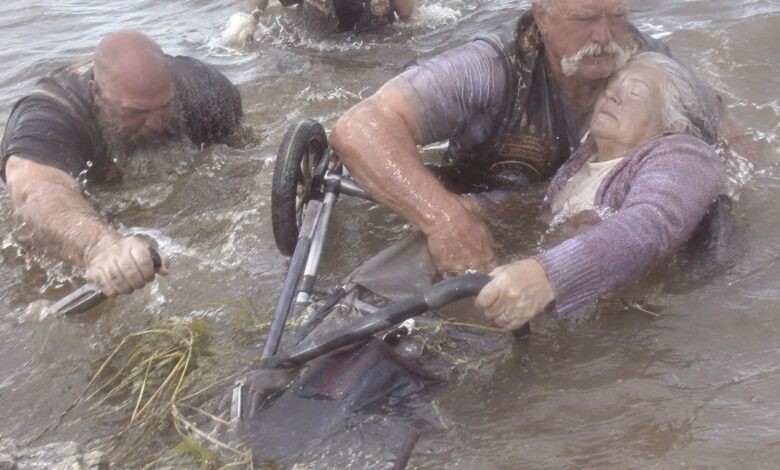
A dramatic rescue account involving a stroller, young children, a caregiver, and bystanders highlights several important water-safety lessons. The individual details of such stories cannot be independently confirmed without reports from law enforcement, emergency services, or local news organizations. However, the broader safety issues they raise are well documented by public-health agencies, pediatric experts, and water-rescue organizations.
Understanding how accidents can happen at boat ramps, how bystanders can respond safely, and how families can reduce risk may help prevent future emergencies. The most effective approach combines close supervision, appropriate equipment, swimming education, emergency preparedness, and respect for the unpredictable nature of open water.
Why Boat Ramps Can Be Dangerous for Families
Boat ramps are designed to allow vehicles and trailers to enter the water. Their steep, hard surfaces make them practical for launching boats, but those same features can create hazards for pedestrians. A ramp may continue several feet beneath the surface, and the transition from shallow water to deeper water can be difficult to judge from shore.
Wet ramps may become slippery because of algae, mud, moss, fuel residue, or lake debris. Wheelchairs, strollers, carts, coolers, and other wheeled items can roll unexpectedly if brakes are not fully engaged or if they are placed on a slope. Even when a brake is applied, it should not be considered a substitute for an adult keeping physical control of the item.
Children are particularly vulnerable because they may be drawn to water, boats, docks, wildlife, or floating objects. They may also move quickly and unpredictably. The U.S. Centers for Disease Control and Prevention notes that drowning can happen quickly and quietly, often without the splashing or shouting people expect to see in movies or television.
Older adults and caregivers may face additional challenges. Uneven ground, reduced mobility, injuries, or the physical strain of trying to assist a child can increase the risk of a fall. Cold water can also make it harder to move effectively, while stress and fatigue can affect decision-making during an emergency.
Stroller and Wheel Safety Near Water
Families visiting lakes, marinas, rivers, or boat ramps should treat strollers and other wheeled equipment with extra caution. A stroller should never be left unattended on a slope, even briefly. Caregivers should keep at least one hand on the stroller whenever they are near a ramp, dock, shoreline, road, or parking area.
Before stopping, parents and caregivers can take several basic precautions:
- Choose a level area away from the ramp and waterline whenever possible.
- Apply the stroller brake, but do not rely on the brake alone on sloped ground.
- Position the stroller so it cannot roll toward water, traffic, or a drop-off.
- Keep children within arm’s reach near water.
- Avoid placing bags, coolers, or heavy items on stroller handles, as they can affect balance.
- Use life jackets for young children when they are close to open water, docks, or boats.
Life jackets are especially important because a child who falls into water may be disoriented, unable to surface easily, or unable to swim to safety. The U.S. Coast Guard recommends properly fitted, Coast Guard-approved life jackets for children when boating and during activities near open water where a fall is possible.
Water Safety Requires Active, Undistracted Supervision
One of the most consistent messages from drowning-prevention experts is that supervision must be active. This means an attentive adult is focused on the child, remains close enough to intervene immediately, and avoids distractions such as phone calls, texting, alcohol, long conversations, or tasks that pull attention away from the water.
At crowded public areas, it can be easy to assume someone else is watching. This is often called the “bystander effect,” where people may hesitate because they believe another person will act. Families can reduce confusion by assigning a specific adult as the designated water watcher. That person should not be responsible for cooking, taking photos, checking messages, or supervising several unrelated tasks at the same time.
For infants, toddlers, and young children, an adult should remain within arm’s reach. Older children who have learned to swim still need supervision in lakes and other natural bodies of water. Open water introduces conditions that are not found in most pools, including currents, sudden depth changes, cold temperatures, boat wakes, submerged obstacles, and poor visibility.
What to Do if Someone Falls Into the Water
Any water emergency requires a rapid but thoughtful response. Calling emergency services should be an immediate priority. In the United States, that means calling 911 or asking a specific person to call. Clear communication matters: rather than shouting generally for help, point to an individual and say, “You in the blue shirt, call 911 and tell them there is a water emergency at this boat ramp.”
Rescue organizations often teach the principle of “reach or throw, don’t go” when possible. A would-be rescuer can extend an object such as a pole, paddle, rope, life ring, or flotation device to the person in the water. Entering the water can be extremely dangerous for an untrained person, particularly if the person in distress panics and grabs onto the rescuer.
There are situations where trained responders or capable swimmers enter the water, but doing so always involves risk. Cold water, hidden debris, steep underwater terrain, poor visibility, and entrapment hazards can make a rescue more difficult. If a person enters the water, they should be aware of their own limits and look for ways to maintain flotation and access an exit route.
At boat ramps and marinas, rescuers should also be alert for underwater hazards. Submerged metal, ropes, anchors, dock hardware, fishing line, damaged concrete, and structural elements may create entanglement risks. Floating docks can have narrow spaces beneath them that are difficult to see into and difficult to exit safely.
The Importance of CPR and Emergency Training
In a water-related emergency, prompt CPR can be lifesaving while waiting for professional medical care. The American Heart Association emphasizes that bystanders should call emergency services, begin CPR when appropriate, and use an automated external defibrillator, or AED, if one is available and indicated.
For a child who has been removed from the water and is unresponsive or not breathing normally, trained responders may provide rescue breaths and CPR. Because correct techniques differ by age and situation, formal training is strongly recommended. Parents, grandparents, teachers, coaches, marina staff, and frequent boaters can all benefit from certified CPR and first-aid courses.
After a water-related incident, medical evaluation is important even if a child or adult appears to recover quickly. Health professionals can assess breathing, oxygen levels, injuries, exposure to cold, and other concerns. Families should follow the advice of emergency responders and clinicians rather than assuming that a person is fully well because they are awake or talking.
Swimming Lessons Build Skills but Do Not Replace Supervision
Swimming lessons are an important part of a broader water-safety plan. The American Academy of Pediatrics supports swim instruction as one layer of protection for many children, with decisions based on the child’s age, development, health, emotional maturity, and exposure to water. Lessons can teach children basic skills such as floating, turning toward safety, reaching an exit, and asking for help.
However, swimming ability does not make a child “drown-proof.” Even strong swimmers can struggle in cold water, become tired, panic, encounter currents, or be affected by unexpected conditions. Children may also overestimate their own abilities, particularly in unfamiliar lakes or around docks and boats.
Adults can benefit from swimming education as well. Learning to swim, understanding how to float, and practicing safe water entry and exit can build confidence. Still, confidence should be matched by caution. Water safety is not about taking unnecessary risks; it is about being prepared and recognizing hazards before they become emergencies.
Cold Water and Open-Water Conditions
Lake water can be cold even on a mild day, particularly in autumn, spring, or shaded areas. Sudden immersion in cold water can cause an involuntary gasp and rapid breathing, which can make it harder to remain calm. Cold water may also reduce muscle coordination and endurance, making it more difficult for a person to hold onto a dock, assist another swimmer, or climb out.
Visibility is another major concern. Many lakes have murky water because of sediment, algae, weather conditions, or boat activity. A person underwater may be difficult or impossible to see from the surface. This is one reason prevention and fast emergency notification are so important.
Families should also remember that lake bottoms can change. A gradual shoreline may suddenly drop off, and water levels can vary by season. People should avoid assuming that an area is safe simply because they visited it before or because it looks shallow from shore.
Community Response and the Value of Prepared Bystanders
When emergencies occur in public places, bystanders can make a meaningful difference by acting quickly, calling for help, bringing flotation devices, directing emergency crews, and providing trained first aid. Community members who know CPR or who can identify hazards may help create valuable time before paramedics arrive, especially in rural locations where travel distances can be longer.
Preparedness also includes practical communication. At parks, boat ramps, and marinas, visitors should know the location’s name, nearest road, and any visible landmarks. If cellular service is limited, one person may need to travel to find help while others remain with the person in need. In a group, assigning roles can prevent confusion: one person calls emergency services, another watches children, another meets responders, and others provide aid if trained.
Stories of people helping strangers can also challenge assumptions about appearance, age, or background. In an emergency, the qualities that matter are compassion, readiness, sound judgment, and a willingness to help safely. Communities are stronger when people avoid stereotypes and recognize the shared responsibility of protecting children and supporting families in crisis.
How Families Can Prepare Before Visiting a Lake or Marina
A simple safety plan can make outings more enjoyable and reduce preventable risks. Before heading to a lake, parents and caregivers can check local weather, water conditions, facility rules, and the availability of life jackets. They can also identify the nearest exit, emergency phone location, and address for emergency services.
Useful items for a water-safety kit may include Coast Guard-approved life jackets, dry towels, extra clothing, drinking water, sunscreen, a charged phone, a whistle, and a basic first-aid kit. For boating trips, equipment requirements may vary by location and vessel, so boaters should review applicable state and federal regulations.
Children should be taught simple rules: never go near water alone, never run on docks or ramps, wear a life jacket when directed, ask permission before entering water, and tell an adult immediately if someone is missing or in trouble. Repeating these rules before every outing can help children remember them when it matters.
Key Takeaways for Boat Ramp and Lake Safety
Boat ramps serve an important recreational purpose, but they are not designed as play areas. Their slopes, slippery surfaces, deep-water access, and proximity to vehicle traffic require careful supervision and planning. The most effective prevention strategies are straightforward: keep children close, maintain physical control of strollers and wheeled items, use properly fitted life jackets, avoid distractions, learn CPR, and call emergency services immediately when help is needed.
No single safety measure can eliminate every risk. But layers of protection can significantly reduce the likelihood of tragedy. A watchful adult, a life jacket, swimming skills, CPR knowledge, and an understanding of local conditions can each contribute to a safer day near the water.
Sources
- Centers for Disease Control and Prevention: Drowning Prevention
- American Academy of Pediatrics: Water Safety and Young Children
- American Red Cross: Water Safety
- American Heart Association: CPR Information and Training
- U.S. Coast Guard: Life Jacket Safety
- World Health Organization: Drowning Fact Sheet
Disclaimer: This content is intended for entertainment purposes only and is not based on real events.