
Rising tensions in the Middle East often draw global attention due to their potential impact on security, energy markets, and international trade. In recent years, developments involving the United States, Israel, and Iran have prompted widespread discussion across media platforms. However, it is essential to distinguish between verified information from reputable sources and unconfirmed or speculative claims circulating online.
No Verified Confirmation of Large-Scale Coordinated Strikes
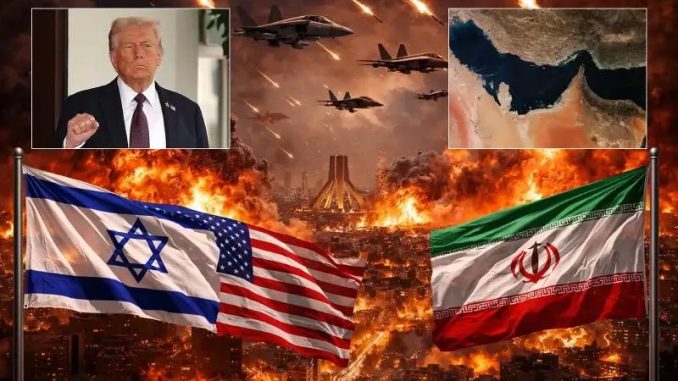
Claims about large-scale coordinated airstrikes involving the United States and Israel targeting multiple locations in Iran, as described in some online narratives, have not been confirmed by official government statements or credible international news organizations.
Statements from the U.S. Department of Defense and other official bodies are typically the primary sources for confirming military operations. As of now, there is no publicly verified evidence supporting reports of a widespread operation of the scale described in viral content.
Similarly, there is no credible confirmation regarding claims involving senior Iranian leadership or major infrastructure damage. In situations involving potential military escalation, verified information is usually reported by multiple reputable outlets and supported by official briefings.

Ongoing Regional Tensions: A Verified Context
While specific claims may remain unverified, it is well documented that tensions between the United States, Israel, and Iran have persisted for years. These tensions often relate to:
-
Iran’s nuclear program
-
Regional security concerns
-
The role of non-state actors in the Middle East
Leaders such as Benjamin Netanyahu and Ali Khamenei have publicly expressed opposing positions on regional security issues, reflecting long-standing geopolitical differences.
Diplomatic efforts, including negotiations related to nuclear agreements, have periodically aimed to reduce tensions, though challenges remain.
The Strategic Importance of the Strait of Hormuz
One of the most critical elements in any discussion of Middle East security is the Strait of Hormuz.
The Strait of Hormuz is a narrow waterway connecting the Persian Gulf to the Gulf of Oman and the Arabian Sea. According to widely cited energy data, it is one of the world’s most important maritime chokepoints.
Key facts supported by energy agencies and industry reports include:
-
Approximately 20% of global oil consumption passes through the strait
-
Major exporters include Saudi Arabia, Iraq, the United Arab Emirates, Kuwait, and Qatar
-
Liquefied natural gas (LNG) shipments, particularly from Qatar, also rely heavily on this route
Because of its strategic importance, any disruption—whether real or perceived—can influence global markets.

Maritime Security and Shipping Risks
There have been documented instances in recent years where shipping activity in the region has been affected by heightened tensions. These include:
-
Increased naval patrols
-
Warnings issued to commercial vessels
-
Temporary rerouting or delays in shipping
Organizations such as the UK Maritime Trade Operations and European maritime missions regularly monitor and report on security conditions in the region.
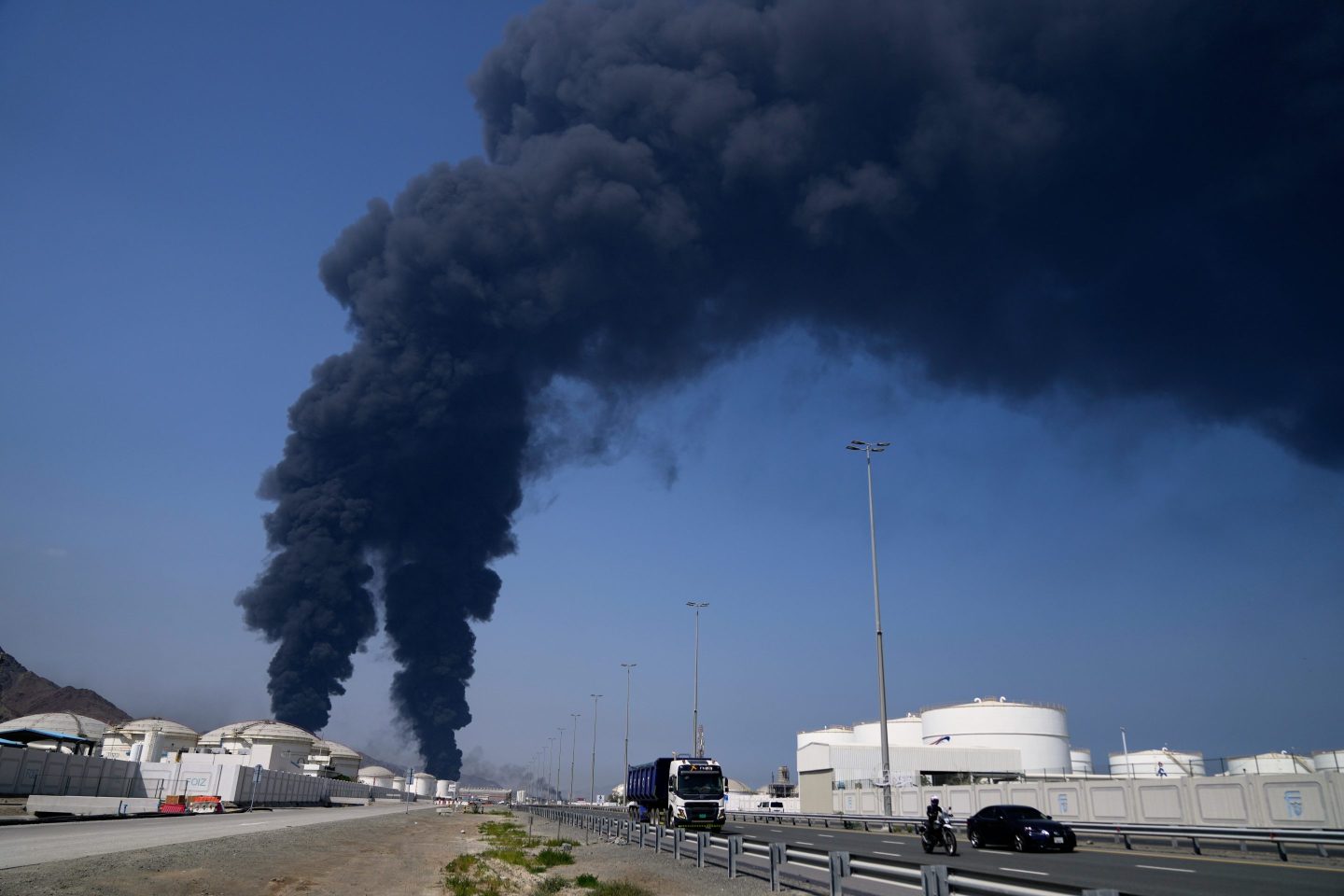
However, no verified reports confirm a full closure of the Strait of Hormuz. Even during periods of heightened tension, the waterway has remained operational, though sometimes under increased security precautions.
Global Energy Market Implications
Because the Strait of Hormuz is central to global energy supply, even limited disruptions can influence oil and gas markets.
Energy analysts widely agree on several key points:
-
Oil prices often respond quickly to geopolitical uncertainty
-
Shipping delays can increase transportation costs
-
Insurance premiums for vessels may rise during periods of risk
For example, fluctuations in Brent crude oil prices frequently reflect geopolitical developments in the Middle East. While exact price predictions vary, market responses are typically tied to verified events rather than unconfirmed reports.
Economic Ripple Effects
Changes in energy prices can have broader economic consequences, including:
-
Increased fuel costs for consumers
-
Higher transportation and manufacturing expenses
-
Pressure on global supply chains
Countries that rely heavily on energy imports—such as those in Asia—may be particularly sensitive to disruptions in Gulf oil flows.
However, economists emphasize that long-term impacts depend on sustained disruptions, not short-term speculation.

The Role of International Monitoring and Diplomacy
Global institutions and governments closely monitor developments in the region to prevent escalation. These efforts include:
-
Diplomatic engagement
-
Maritime security coordination
-
Economic policy adjustments
International cooperation plays a key role in maintaining stability, particularly in areas critical to global trade.

Conclusion: A Balanced View of a Complex Situation
Tensions in the Middle East remain an important global issue, particularly given the region’s role in energy production and international trade. However, it is crucial to rely on verified, evidence-based information when assessing developments.
At present:
-
There is no confirmed evidence of large-scale coordinated strikes as described in some online narratives
-
The Strait of Hormuz remains a critical but operational shipping route
-
Global markets continue to monitor the situation based on confirmed developments
As events evolve, credible updates from official and reputable sources will provide the most reliable guidance.
