

The arrival of a specific cinematic masterpiece on a global streaming platform has reignited a fierce debate that first began over two decades ago. As the digital landscape continues to evolve, the line between high art and provocative content often blurs, leading to a massive surge in viewer engagement and, in some cases, significant backlash.
The film currently at the center of this storm is “Y Tu Mamá También,” the 2001 Mexican road movie that launched the international careers of its director and lead actors. Recently added to the Netflix catalog, it has been branded by some digital commentators as the service’s “most explicit” offering to date. While the film has long been celebrated by critics as a cornerstone of modern Latin American cinema, its unvarnished portrayal of human intimacy and youthful discovery has left a new generation of unsuspecting viewers deeply divided.
The Journey of Tenoch and Julio: A Road Trip Like No Other
Directed by Alfonso Cuarón, “Y Tu Mamá También” tells a story that is superficially simple but emotionally and socially dense. Set against the backdrop of a politically shifting Mexico, the narrative follows two teenage best friends, Tenoch (played by Diego Luna) and Julio (played by Gael García Bernal).
Left to their own devices after their girlfriends depart for a summer trip to Italy, the duo finds themselves in the company of Luisa (Maribel Verdú), an older Spanish woman seeking an escape from her own crumbling marriage and a devastating personal secret. The three embark on a spontaneous road trip toward a mythical beach they call “Boca del Cielo” (Heaven’s Mouth).
What begins as a hormone-fueled adventure filled with juvenile bravado and competitive masculinity gradually transforms into a profound exploration of:
-
The Fragility of Friendship: How hidden secrets and jealousies can erode even the tightest bonds.
-
Social Disparity: The narrator’s detached voice-overs provide a stark contrast to the teenagers’ privilege, highlighting the poverty and political unrest visible through the car windows.
-
Sexual Awakening: The film uses physical intimacy not as a gimmick, but as a language to express things the characters cannot say out loud.

A Divided Digital Audience: “Masterpiece” vs. “Disgusting”
The reaction on social media since the film’s streaming debut has been nothing short of explosive. In an era where “mindless Sunday viewing” is the norm, many families and casual viewers were caught off guard by the film’s frankness.
The Voices of Disapproval For some, the boundary-pushing nature of the content—which includes graphic scenes of intimacy and communal discovery—was a bridge too far. According to reports from TVF, social media platforms were flooded with users expressing their shock. One viewer labeled it an “absolutely disgusting movie,” questioning its place on a mainstream platform.
Another commenter expressed concern for the platform’s curation: “Wtf is this doing on Netflix? I can’t imagine what it would do to the sensibilities of unsuspecting families opening it for a mindless viewing.” This highlights a growing tension in streaming culture: the clash between a platform’s role as a library of prestigious cinema and its role as a provider of safe, family-friendly entertainment.
The Voices of Adoration On the other side of the aisle, cinephiles and long-time fans of the director have come to the film’s defense, celebrating its arrival as a win for artistic accessibility. To these viewers, the film is an undeniable “masterpiece” that captures the messy, often painful transition from adolescence to adulthood.
“Watched ‘Y Tu Mamá También’ last night; God, that was so incredible, so good,” one fan shared. Another echoed the sentiment, stating, “Can’t believe I’ve only just watched it. A masterpiece!” For these viewers, the provocative elements are inseparable from the film’s beauty and emotional truth.
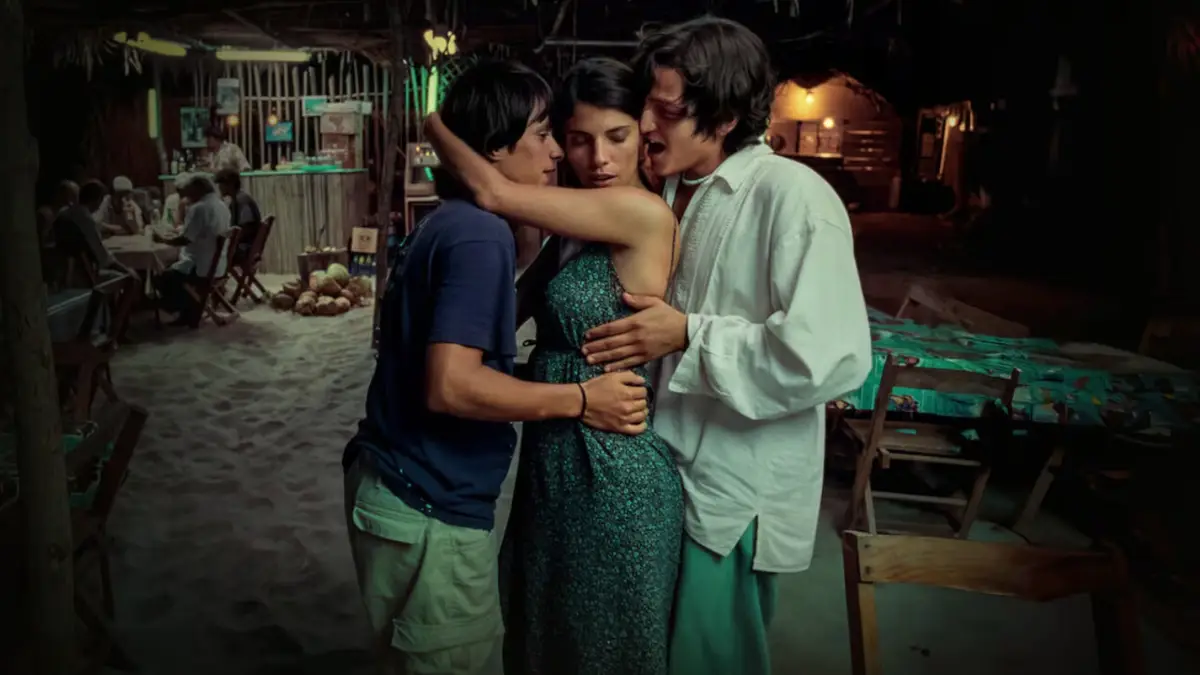
The Director’s Defense: Sex as Social Commentary
This isn’t the first time Alfonso Cuarón has had to defend his vision. When the film was originally released in 2001, it faced similar scrutiny, ultimately receiving a strict age rating that sparked a major cultural debate in Mexico.
Cuarón has always been transparent about why the film’s “explicit” nature was a requirement rather than a choice. Speaking to The New York Times, he explained that the scenes of intimacy serve a narrative purpose:
“We wanted the intimacy scenes to get a point across about these characters and about the social elements we were playing with, like class and the conceptions of masculinity that these characters have.”
To Cuarón, the way the boys interact physically—and how they react to Luisa—is a direct reflection of their upbringing, their insecurities, and the societal expectations of “machismo.” The film suggests that true vulnerability is often more frightening to these young men than physical danger.
His brother, Carlos Cuarón, who co-wrote the screenplay, noted that the film’s success was entirely unexpected. The brothers focused on creating an authentic portrait of adolescence, complete with its failures and virtues. They utilized a unique “narrator” who provides socio-political context, helping the audience see the characters not just as individuals, but as products of their environment.
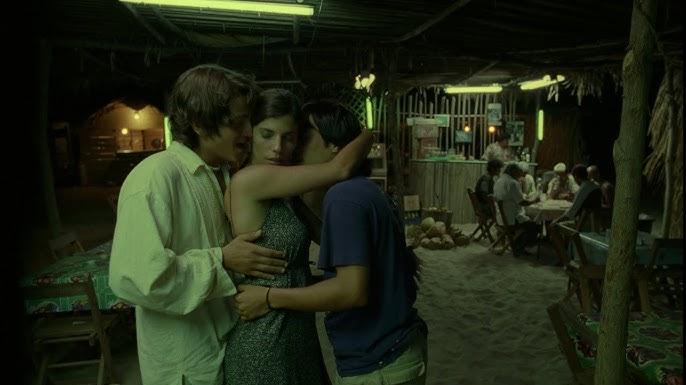
Critical Acclaim and Legacy
Despite—or perhaps because of—its controversial nature, “Y Tu Mamá También” remains one of the most respected films of the 21st century. Its technical merits and narrative depth have earned it:
-
A 7.7/10 rating on IMDb, reflecting sustained popularity over decades.
-
A 92% “Certified Fresh” rating on Rotten Tomatoes, with critics praising its blend of humor, sadness, and visual style.
-
Academy Award Nominations: Specifically for Best Original Screenplay, a rare feat for a Spanish-language film at the time.
The film serves as a reminder that provocative cinema can hold a mirror up to society in ways that “safe” movies cannot. It forces the viewer to confront the complexities of human desire, the inevitability of change, and the political realities that exist just outside our personal bubbles.

The “Streaming Dilemma”
The debate surrounding “Y Tu Mamá También” on Netflix brings up a larger question about the future of digital media: Should streaming services prioritize artistic integrity or viewer comfort?
While Netflix provides age ratings and parental controls, the “recommendation algorithm” can sometimes place a challenging, R-rated Mexican drama alongside lighthearted comedies. This “collision of genres” is what often leads to the mortified reactions seen online. However, proponents argue that removing such films would be a form of artistic censorship, denying viewers the chance to see a seminal work of world cinema.
The film’s continued ability to spark intense emotional reactions—25 years after its production—is perhaps the greatest testament to its power. It remains a vibrant, pulsing piece of art that refuses to be ignored.
What do you think? In an era of instant access, does the responsibility fall on the streaming service to “filter” content, or on the viewer to research what they are watching? Can a film be “too explicit” if it is also a recognized masterpiece?
We want to hear your perspective. Does “Y Tu Mamá También” belong in the “Masterpiece” category, or do you agree with the critics who find it too graphic for a general audience? Please share your thoughts in the comment section below.
