
Advances in modern medicine and genetics have significantly improved the ability of healthcare professionals to diagnose and manage rare conditions. According to organizations such as the National Institute of Neurological Disorders and Stroke and the National Library of Medicine, thousands of rare disorders have been identified, many of which affect physical development, including the structure of the face.
However, despite ongoing progress, some conditions remain difficult to diagnose, particularly when access to specialized medical evaluation is limited. A widely shared story from Indonesia has drawn attention to this issue, highlighting both the challenges of rare conditions and the importance of awareness, acceptance, and medical consultation.
A Family Living With an Undiagnosed Facial Condition
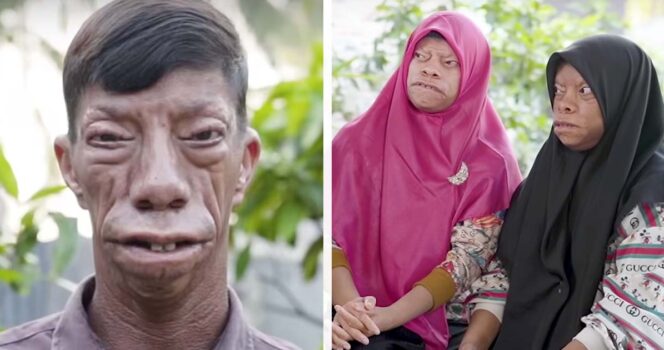
A family from North Sumatra, Indonesia, has gained attention after several members shared their experiences living with a rare and currently undiagnosed facial condition. Publicly available interviews and social media content show that multiple family members exhibit visible changes in facial structure over time.
While their story has resonated with audiences online, it is important to clarify that no official medical diagnosis has been publicly confirmed. Without clinical evaluation by qualified specialists, any conclusions about the exact condition remain speculative.
Health experts emphasize that diagnosing rare conditions typically requires detailed medical imaging, genetic testing, and long-term observation. Without these, it is not possible to accurately determine the cause of physical changes.

Possible Medical Explanations (Based on Verified Sources)
Although no confirmed diagnosis exists in this case, medical literature describes several rare conditions that can affect facial structure. These are presented here for educational purposes only.
1. Parry-Romberg Syndrome
According to the National Institute of Neurological Disorders and Stroke, this condition—also known as progressive hemifacial atrophy—causes gradual deterioration of the skin and soft tissues on one side of the face.
Key medically documented features include:
-
Gradual shrinking of facial tissues (fat, muscle, and sometimes bone)
-
Changes that typically begin in childhood or adolescence
-
Possible neurological symptoms such as headaches or seizures
The condition is rare, and currently there is no cure. Treatment usually focuses on managing symptoms and, in some cases, reconstructive procedures.

2. Treacher Collins Syndrome
Described by the National Library of Medicine, this genetic condition affects the development of bones and tissues in the face.
Common characteristics may include:
-
Differences in cheekbones and jaw structure
-
Downward-slanting eyes
-
Variations in ear development
Symptoms can vary widely. Some individuals experience mild differences, while others may require medical support for breathing, hearing, or feeding.
3. Barber-Say Syndrome
Information from the Cleveland Clinic indicates that this is an extremely rare genetic disorder present from birth.
Reported features include:
-
Thin or fragile skin
-
Distinct facial characteristics
-
Excess hair growth in some cases
Because of its rarity, documented cases are limited, and diagnosis typically requires specialist genetic evaluation.

The Importance of Medical Diagnosis
Medical professionals consistently stress that visible physical differences should be evaluated by qualified healthcare providers. Accurate diagnosis is essential for several reasons:
-
Understanding the condition: Identifying the cause helps determine whether the condition is progressive or stable.
-
Managing symptoms: Some conditions may affect not only appearance but also neurological or physical health.
-
Accessing treatment: Even when no cure exists, supportive care can improve quality of life.
Organizations such as the World Health Organization emphasize that early diagnosis and access to healthcare services are critical, particularly for rare diseases that may otherwise go untreated.
Living With a Rare Condition: Social and Emotional Aspects
Beyond medical considerations, individuals with visible differences often face social challenges. Research in public health and psychology shows that people with rare conditions may experience:
-
Social stigma or misunderstanding
-
Emotional stress related to appearance
-
Barriers to education or employment in some communities
At the same time, global awareness campaigns increasingly promote inclusion and acceptance. Advocacy groups encourage respectful representation and emphasize that physical appearance does not define a person’s abilities or identity.

The Role of Social Media in Raising Awareness
In recent years, platforms such as TikTok and Instagram have allowed individuals with rare conditions to share their experiences with a global audience.
Health communication experts note both benefits and risks:
Benefits:
-
Increased awareness of rare conditions
-
Opportunities for community support
-
Greater visibility for underrepresented groups
Risks:
-
Spread of misinformation without medical verification
-
Misinterpretation of symptoms by non-experts
For this reason, experts recommend balancing personal storytelling with verified medical information from trusted organizations.

A Broader Perspective on Human Diversity
Medical science continues to explore the wide range of conditions that affect the human body. At the same time, global conversations increasingly emphasize acceptance and inclusion.
Differences in appearance—whether caused by genetics, medical conditions, or other factors—are part of human diversity. Public health experts highlight the importance of:
-
Promoting respectful attitudes
-
Avoiding assumptions without evidence
-
Supporting access to healthcare and diagnosis

Conclusion
The story of individuals living with rare or undiagnosed conditions highlights both the progress and limitations of modern medicine. While scientific research has identified many disorders, some cases remain unclear without formal medical evaluation.
What remains certain is the importance of verified information, access to healthcare, and social understanding. As organizations like the World Health Organization emphasize, improving awareness and reducing stigma are essential steps toward supporting people with rare conditions worldwide.
