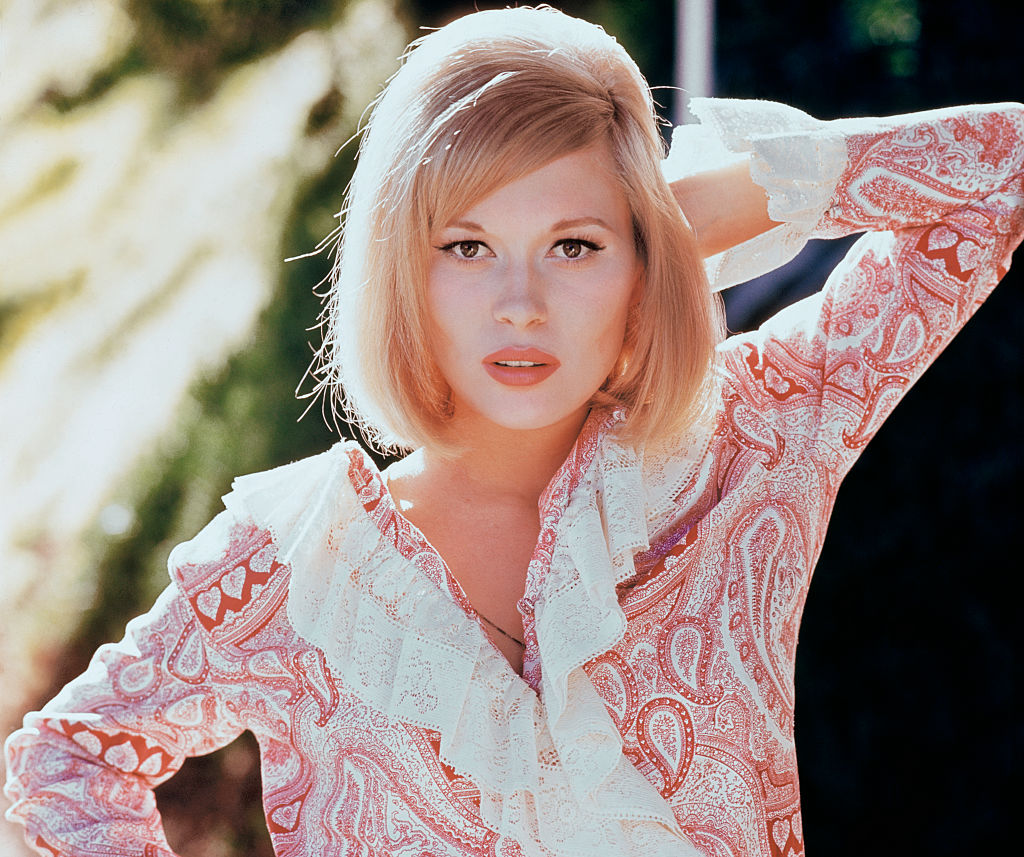

Few performers from the New Hollywood era remain as recognizable as Faye Dunaway, whose career spans more than six decades across film, television, and stage. Known for her intense screen presence and memorable roles in landmark productions, Dunaway continues to be recognized as one of the defining actresses of 20th-century American cinema.
Now in her mid-80s, she remains a symbol of Hollywood’s golden transition from classic studio filmmaking to the bold, character-driven storytelling of the late 1960s and 1970s.
Early Life and Rise to Fame
Faye Dunaway was born in Bascom, Florida, in 1941. She studied theater at Boston University before moving to New York, where she trained at the American National Theater and Academy and began performing on stage.
Her breakthrough in cinema arrived in the late 1960s, when Hollywood was shifting toward more experimental storytelling. Dunaway quickly became associated with this new wave of filmmaking.
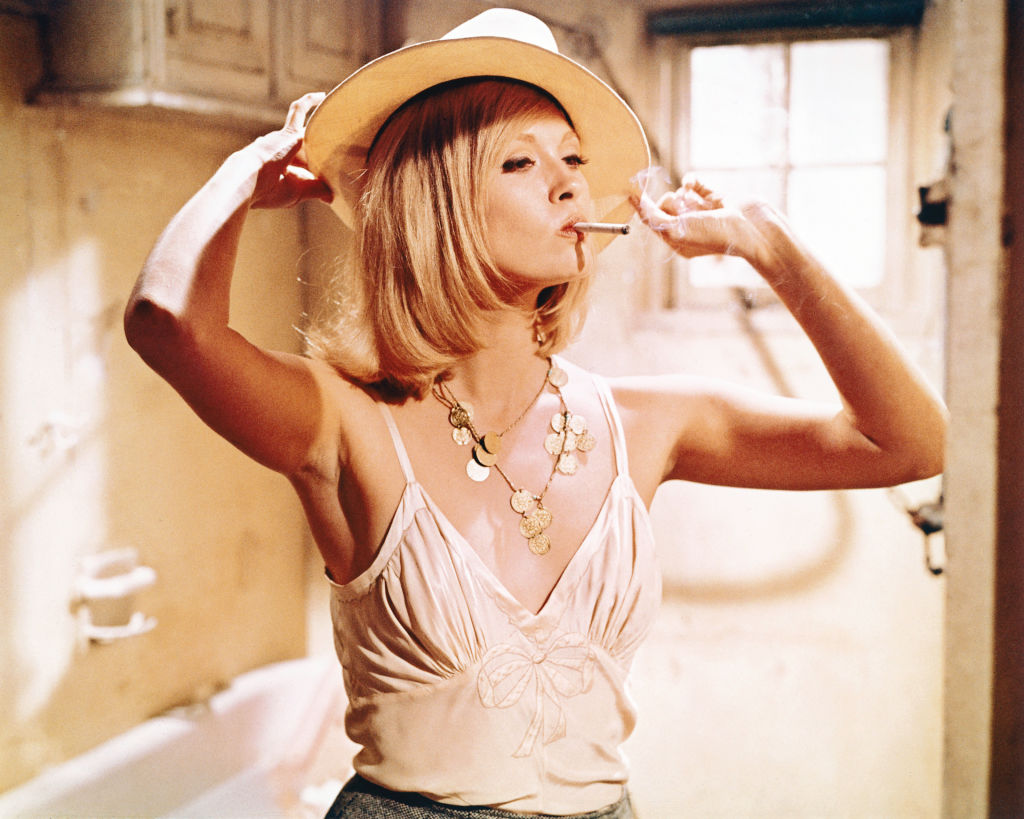
Her performance in Bonnie and Clyde, opposite Warren Beatty, helped redefine crime dramas and is widely credited with influencing modern American cinema. The film received multiple Academy Award nominations and established Dunaway as a leading dramatic actress.

Oscar-Winning Success in the 1970s
During the 1970s, Dunaway delivered some of her most celebrated performances. She starred in Chinatown, directed by Roman Polanski, where her portrayal of Evelyn Mulwray earned her an Academy Award nomination.
Her most acclaimed role came in Network, in which she played ambitious television executive Diana Christensen. The performance won her the Academy Award for Best Actress, along with a Golden Globe.
Network remains widely studied in film schools and media analysis for its critique of television culture and corporate influence, and Dunaway’s role is often cited as one of the film’s defining elements.

Memorable Roles and Cultural Impact
Dunaway’s filmography includes a range of dramatic and genre-defining performances. She appeared in The Thomas Crown Affair, opposite Steve McQueen, showcasing her ability to balance sophistication with emotional complexity.
Another widely recognized performance came in Mommie Dearest, where she portrayed Hollywood icon Joan Crawford. While the film initially received mixed reviews, it later achieved cult status and remains a frequently discussed portrayal in studies of celebrity biography films.
Dunaway has acknowledged in interviews that the role had a significant impact on her career trajectory, illustrating how high-profile performances can shape public perception of actors for years afterward.

Awards and Professional Recognition
Throughout her career, Faye Dunaway has received numerous honors for her work in film and television.
These include:
- An Academy Award for Best Actress (Network, 1976)
- Multiple Golden Globe Awards
- A Primetime Emmy Award nomination
- A star on the Hollywood Walk of Fame
Her performances continue to be referenced in film retrospectives and academic discussions about female roles in Hollywood during the 1970s.

Personal Life and Relationships
Dunaway’s personal life has also been documented through interviews and autobiographical writing. She was married to musician Peter Wolf, lead singer of the The J. Geils Band, in the 1970s. Later, she married photographer Terry O’Neill, with whom she had a son.
In interviews over the years, Dunaway has spoken candidly about balancing career ambitions with personal life, noting that her dedication to acting often required intense focus and long periods of travel and filming.

Later Career and Continued Work
Even after decades in the industry, Dunaway has continued to take on film and stage roles. She has appeared in independent productions, television projects, and international films.
Her continued presence in cinema demonstrates the longevity of performers who emerged during the New Hollywood period. Film historians often cite Dunaway as part of a generation that helped redefine female roles in major motion pictures, moving away from purely romantic archetypes toward complex and ambitious characters.

How Faye Dunaway Is Viewed Today
At 85, Faye Dunaway is frequently recognized for her lasting influence on cinema rather than for current celebrity headlines. Retrospective screenings of her films remain popular at festivals and film schools, and her performances in Bonnie and Clyde, Chinatown, and Network continue to be discussed in academic and critical circles.
Her legacy rests on a combination of artistic ambition, bold role choices, and her participation in a transformative period in American filmmaking.
Conclusion
Faye Dunaway’s career illustrates the enduring impact of actors who define their era through powerful performances. From her breakout role in Bonnie and Clyde to her Oscar-winning work in Network, she has left a lasting mark on film history.
Today, she remains a respected figure in cinema, remembered for her talent, dedication, and contribution to some of the most influential films of the 20th century.
Her legacy demonstrates that truly iconic performances continue to resonate across generations—long after their original release.
