
Military working dogs play an essential role in supporting U.S. service members around the world. These highly trained dogs assist with patrol duties, detect explosives, and help protect military personnel during missions. Their work requires discipline, agility, and strong communication with their assigned handlers. Over time, many handlers develop a deep bond with their dogs, as they rely on each other in challenging environments.
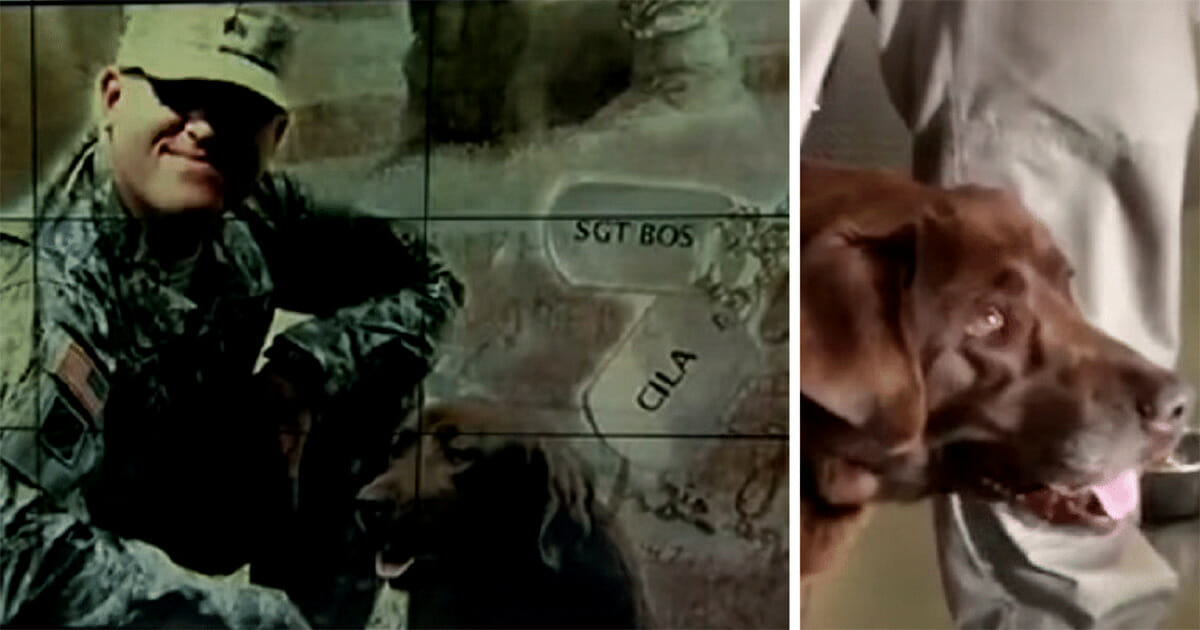
One story that has inspired many people is the reunion between former U.S. Army Sergeant Jason Bos and his military working dog, Cila. Their partnership in service, separation during retirement, and eventual reunion highlight the strong relationships that often develop between handlers and their canine partners. This story has been widely shared by reputable organizations, including the American Humane Association and Mission K9 Rescue, both of which assist in the rehoming and reunification of retired working dogs.
The Partnership Between a Handler and His Dog
According to publicly available reports from American Humane and multiple U.S. news outlets, Sergeant Jason Bos served as a military working dog handler in the U.S. Army. His dog partner, Cila, a chocolate Labrador Retriever, was trained as an explosive-detection dog. Together, Bos and Cila supported missions in Iraq and other assigned locations. Their responsibilities included searching for explosive threats, assisting security teams, and supporting various operations in collaboration with military and federal agencies.
Public reporting indicates that Bos and Cila worked together for several years during his military service. Their partnership required consistent training, mutual trust, and the ability to work under high-pressure conditions. Like many teams in the military working dog program, handler and dog often spent long hours together, creating a bond built on routine, communication, and shared responsibility.

A Sudden Separation After Retirement
When Sgt. Bos retired from the Army due to a back injury, he and Cila had to part ways. Military working dogs typically remain in service until they reach the end of their working eligibility. As a result, Cila continued her duties with the Army after Bos left active duty. For many handlers, separation from their working partners is one of the most difficult aspects of retirement.
During the two years that followed, Sgt. Bos frequently spoke in interviews about how much he missed working with Cila. Although handlers cannot simply adopt their partners upon leaving service, there are official processes in place for adoption once a dog is medically or officially retired. These policies are overseen by the U.S. military and partner organizations that help place retired working dogs into suitable homes.

News of Cila’s Retirement
After completing her service career, Cila was eventually approved for retirement. Officially retired military working dogs often become eligible for adoption by their former handlers if circumstances allow. When Sgt. Bos learned that Cila was being released from military duty, he immediately expressed interest in providing her with a permanent home. This transition was supported by rescue organizations that specialize in helping retired working dogs return to their handlers when possible.
Organizations such as the American Humane Association and Mission K9 Rescue have publicly documented their involvement in helping transport military working dogs back to the United States for reunification. These groups work with the Department of Defense and international partners to ensure that dogs receive proper medical care, transportation, and placement after retirement.
A Carefully Coordinated Return Home
With the assistance of American Humane and Mission K9 Rescue, Cila was transported from her station in Germany to the United States. These organizations often cover the transportation costs for retired working dogs, ensuring a safe and smooth journey. According to reports shared by the groups, Cila traveled to Chicago’s O’Hare International Airport, where Sgt. Bos waited for her arrival.
The reunion was captured by local media and shared widely because of its emotional impact. When Cila heard her former handler’s voice, she immediately approached him with excitement, demonstrating clear recognition after years apart. Reunions like this are possible because of the strong bond that forms between handlers and their working dogs during service.
A Peaceful Retirement in the United States
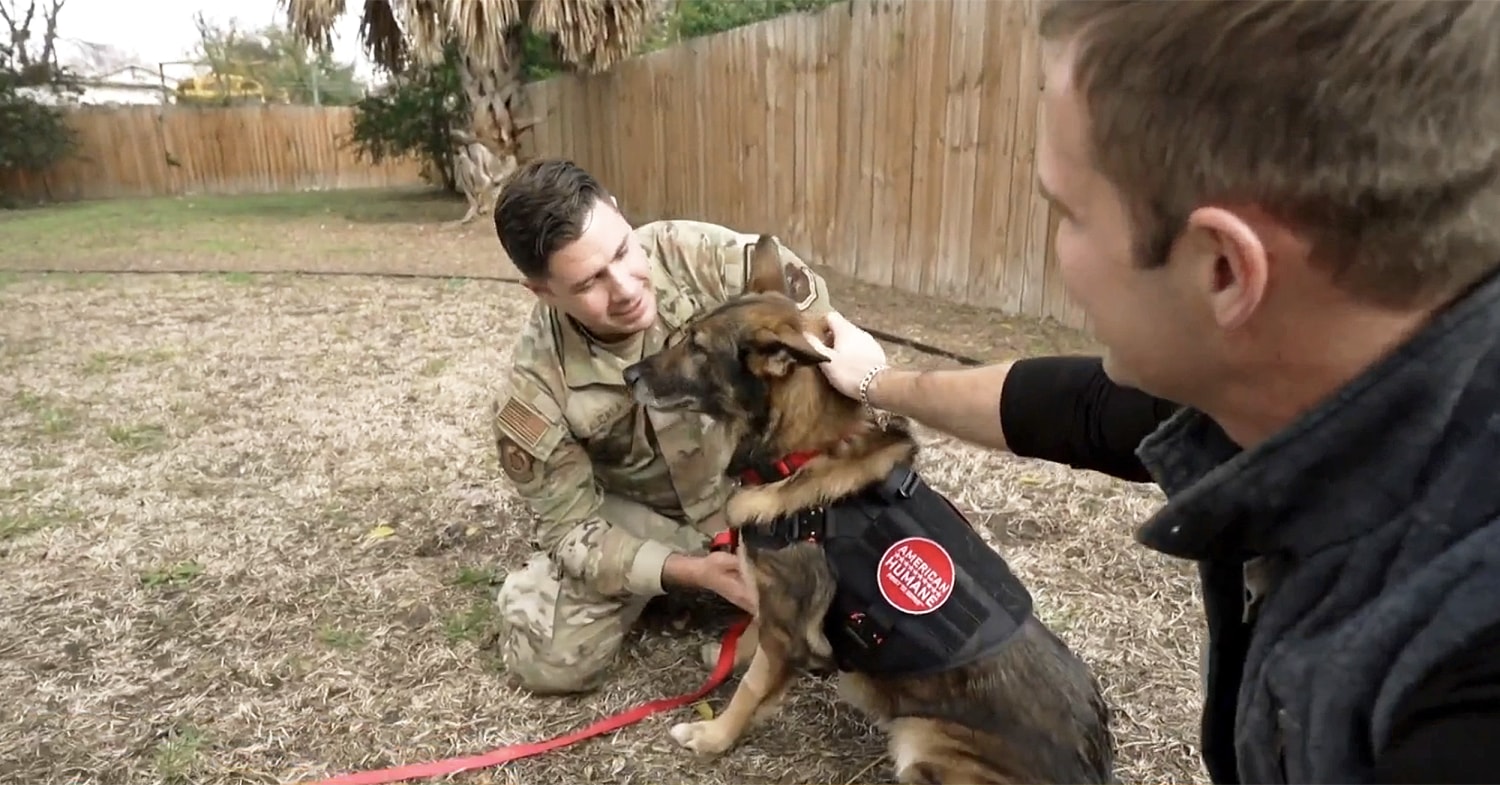
Following her return, Sgt. Bos shared that Cila would enjoy a calm, comfortable life at his home in Michigan. Retired military working dogs often adapt well to life as family pets once they are relieved of their duties. While they are highly trained, they also appreciate the relaxation and routine that comes with a peaceful home environment.
According to American Humane, retired working dogs may require ongoing veterinary care due to the physical demands of their service years. Many organizations continue to assist with medical needs, adoption resources, and public education about the importance of supporting these dogs after their careers end.
The Importance of Reuniting Handlers and Their Dogs
This reunion highlights the ongoing efforts of rescue and support organizations that advocate for the welfare of military working dogs. Groups such as Mission K9 Rescue, American Humane, and other accredited nonprofits work to ensure that more retired dogs can be reunited with their former handlers or placed in suitable, caring homes.
Reuniting handlers and dogs whenever possible provides emotional benefits for both. Many handlers describe their dogs as trusted partners who helped them through demanding moments in their military careers. For the dogs, retirement with a familiar companion can provide security and continuity as they transition to civilian life.

A Story That Continues to Inspire
The story of Sgt. Jason Bos and Cila continues to resonate because it reflects dedication, service, and the enduring connection between humans and animals. It also underscores the importance of supporting programs that help retired military working dogs find homes where they can enjoy comfort and stability.
Their reunion serves as a reminder of the meaningful relationships formed through service and how community support can help bring those partnerships back together. As more people learn about the efforts of organizations that assist in these reunifications, awareness grows about the importance of providing long-term care for working animals.
Sources
-
American Humane Association – Official publications on military working dog reunification
-
Mission K9 Rescue – Public reports on transportation and adoption support
-
U.S. Army publicly available information on military working dog program
-
Major U.S. news outlets reporting on the Bos and Cila reunion
