

Dog attacks involving children have become an increasing concern for families, communities, and pet owners worldwide. While dogs are often affectionate companions, misunderstandings between dogs and children can sometimes lead to unsafe situations. These incidents not only cause physical harm, but they can have lasting emotional effects on young children who may develop a fear of animals.
However, it’s important to recognize a crucial truth: most dog-related incidents are preventable. By understanding dog behavior, teaching children how to interact safely, and encouraging responsible pet ownership, communities can significantly reduce risks and promote safer environments for both children and pets.
This detailed guide explores the causes behind dog attacks involving children, common risk factors, prevention strategies, and community responsibilities—all delivered in a calm, informative, and family-friendly manner.

Why Dog-Child Incidents Happen: Understanding the Root Causes
In most cases, dogs do not attack out of malice or unpredictability. Instead, incidents typically occur because the dog feels threatened, uncomfortable, or overwhelmed. Understanding these triggers helps parents and caregivers recognize behavior patterns and prevent problematic situations.
1. Lack of Socialization
Dogs that are not exposed to a variety of people, places, and environments may become stressed when encountering new situations.
A child’s rapid movements, high-pitched voice, or unfamiliar behavior can confuse or scare an under-socialized dog.
2. Fear or Anxiety in Dogs
A fearful dog may react defensively. Certain sounds—like shouting, running, or sudden noise—can trigger a defensive response.
Dogs that have experienced previous stress or negative interactions may be more sensitive than others.
3. Resource Guarding
Some dogs protect items they value, such as food, toys, or resting spaces. A child who unknowingly approaches a dog during such moments might trigger a defensive reaction.
4. Unsupervised Interactions
Many incidents occur simply because an adult was not present to guide the interaction.
Children often do not recognize warning signs such as:
-
Stiff body posture
-
Tail tucked
-
Ears pinned back
-
Avoiding eye contact
-
Growling or lip curling
These behaviors often appear before a dog reacts negatively.
5. Rough or Unintentional Provocation
Children are naturally curious. They may pull a dog’s ears, hug too tightly, climb on them, or approach too quickly—all actions that a dog may perceive as threatening.
6. Medical Issues or Pain
A normally gentle dog may react unexpectedly if experiencing pain from arthritis, injury, infection, or other health conditions.
Children may accidentally touch sensitive areas without knowing.

How Children Perceive Dogs vs. How Dogs Perceive Children
Children often see dogs as soft, huggable, and friendly creatures. They may treat them like stuffed toys or playmates. Dogs, on the other hand, perceive children differently from adults:
-
Children move unpredictably.
-
Their voices are higher, which can excite or overwhelm dogs.
-
They may approach directly, which some dogs interpret as confrontational.
-
They tend to hug, stare, or make close eye contact—behaviors dogs rarely show naturally.
Understanding this difference is key to teaching children safer interactions.
Teaching Children How to Interact Safely With Dogs
Parents and caregivers play a major role in preventing incidents by teaching children safe and respectful behavior around dogs. Simple guidelines can greatly reduce risks.
1. Always Ask Before Petting
Children should learn to ask the dog’s owner for permission before approaching. Not all dogs are comfortable with strangers.
2. Approach Calmly and Slowly
Running toward a dog can startle them.
Children should:
-
Walk slowly
-
Let the dog sniff first
-
Pet gently on the back or side
3. Avoid Certain Situations
Children should avoid interacting with a dog when it is:
-
Eating
-
Sleeping
-
Playing with a toy
-
Resting in its bed
-
Injured or ill
4. Recognize Warning Signs
Teaching children simple dog body language can prevent misunderstandings. Dogs may show discomfort by:
-
Walking away
-
Hiding
-
Licking lips
-
Yawning repeatedly
-
Growling or whining
Children must learn to stop interacting immediately when these signs appear.
5. Never Hug, Grab, or Pull
Hugging is a human gesture, not a canine one.
Some dogs tolerate hugs, but many feel trapped.
6. Stay Calm
High-energy play, screaming, or sudden movements can overwhelm dogs. Calm behavior reassures them and reduces stress.

7. Avoid Eye-to-Eye Staring
Direct staring can be perceived as a challenge in dog communication.
How Dog Owners Can Prevent Incidents
Dog owners also carry a major responsibility in preventing unwanted interactions between their pets and children. Responsible ownership builds safety and trust in both the community and the household.
1. Prioritize Socialization
Early and positive exposure to new environments, people, and other animals helps dogs feel confident and reduces fear-based reactions.
2. Ensure Proper Training
Basic commands such as “sit,” “stay,” “leave it,” and “come” can prevent many unsafe situations.
Consistency is key.
3. Monitor All Interactions With Children
Even well-trained dogs should not be left unsupervised with children. This protects both the child and the dog.
4. Manage the Environment
Owners can use:
-
Baby gates
-
Leashes
-
Crates
-
Safe zones
These tools prevent overwhelming interactions.

5. Address Medical Issues Promptly
Pain or discomfort can affect behavior. Regular vet check-ups help detect problems early.
Community Roles in Promoting Safety
While families and dog owners are central to safety, communities also have a role to play. Collective action helps build environments where pets and people can coexist harmoniously.
1. Educational Programs
Schools, local organizations, and animal welfare groups can host workshops on dog safety and behavior.
2. Accessible Training Resources
Affordable training classes or free online programs help dog owners learn effective methods.
3. Clear Local Regulations
Municipalities can create guidelines related to:
-
Leash laws
-
Responsible ownership
-
Community dog training initiatives
4. Support for Rescue and Adoption Groups
These organizations often provide behavior assessments and education that benefit the entire community.
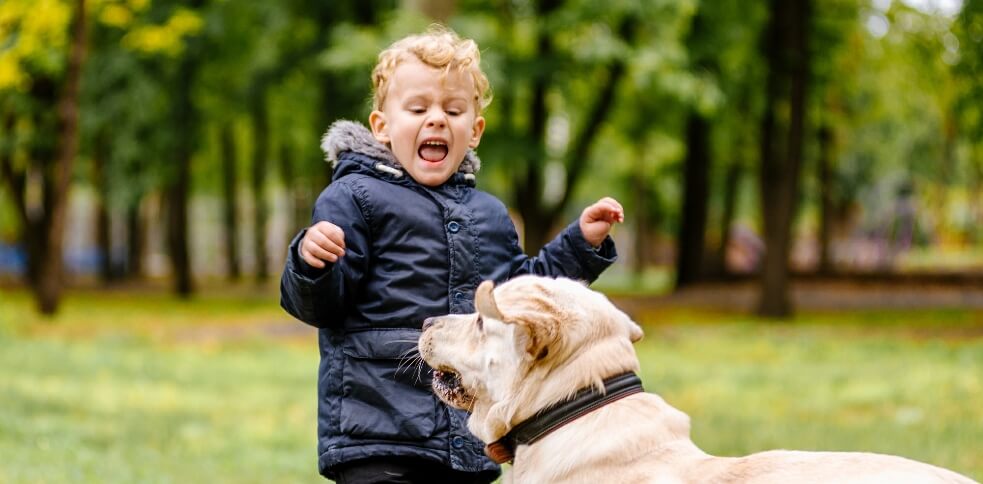
Reducing Fear and Healing After an Incident
If a child experiences a troubling encounter with a dog, emotional healing is just as important as physical safety. Parents can:
-
Listen to the child’s feelings
-
Reassure them that not all dogs behave the same
-
Gradually reintroduce positive, controlled interactions
-
Seek professional help if anxiety persists
With time, many children regain confidence.

Building Healthy, Positive Relationships Between Children and Dogs
Dogs can bring children incredible benefits—responsibility, companionship, empathy, and joy. When interactions are managed safely and respectfully, dogs and children can build strong, loving bonds.
Positive experiences include:
-
Walking a dog with adult supervision
-
Playing gentle games like fetch
-
Reward-based training sessions
-
Learning to care for a pet responsibly
These activities help children understand animals better and encourage mutual trust.
Conclusion: Safety Is a Shared Responsibility
While dog attacks involving children are concerning, they are often preventable through education, awareness, and responsible behavior from both families and dog owners.
By:
-
Teaching children safe habits
-
Understanding dog communication
-
Prioritizing training and socialization
-
Supporting community initiatives
…we can create safer, happier interactions between dogs and children.
Dogs are wonderful companions, and with proper guidance, children can enjoy a safe and enriching relationship with them. Prevention, knowledge, and compassion are key to building a community where families and pets can thrive together.
