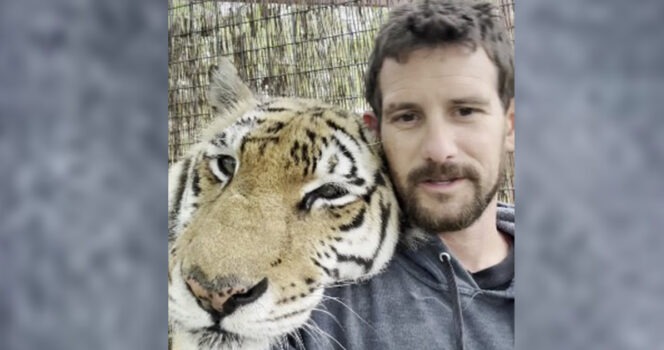

Few animals have captured the human imagination quite like big cats. Tigers, lions, and leopards have long been symbols of strength, courage, and mystery in cultures around the world. From ancient myths to modern wildlife documentaries, humans have been drawn to their majesty, intelligence, and power. Yet, fascination can sometimes blur the line between admiration and risk. A recent incident at a tiger preserve in Oklahoma highlights both the allure and the challenges of interacting with these apex predators.
On a Saturday afternoon in Hugo, Oklahoma, an unfortunate accident at the Growler Pines Tiger Preserve brought attention to the complex dynamics between humans and big cats. The incident involved Ryan Easley, a wildlife handler who had spent years working with tigers. While the circumstances are still under investigation, the event raises important questions about human interaction with large wild animals, the ethical considerations of using big cats for entertainment, and the cultural significance that these creatures have held for centuries.

The Cultural Significance of Tigers
Tigers have occupied a central place in human mythology and symbolism for thousands of years. In many Asian cultures, tigers represent power, courage, and protection. In Chinese folklore, the tiger is considered one of the four sacred animals and is often associated with bravery and the warding off of evil spirits. Similarly, in Indian culture, the tiger is a national symbol and is revered as a vehicle of the goddess Durga, embodying both ferocity and protection.
These cultural associations often contribute to human fascination with tigers and other big cats. Stories, paintings, and legends reinforce the perception of tigers as extraordinary creatures, inspiring awe and sometimes prompting humans to attempt close interaction. The admiration is understandable, but it also comes with inherent responsibilities and risks when these animals are kept in captivity.
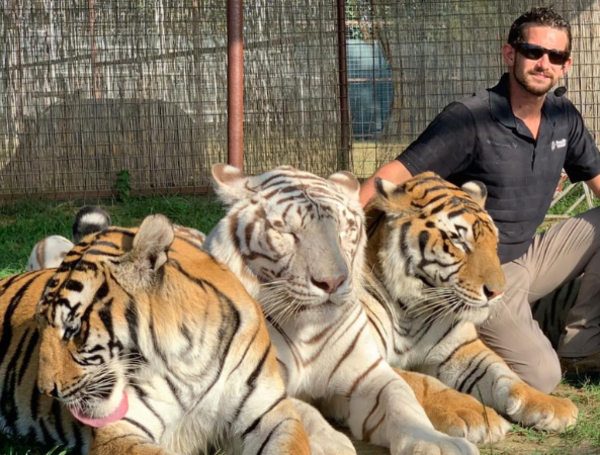
Tigers in Modern Human Care: The Story of Ryan Easley
Ryan Easley was known for his dedication to big cats, particularly tigers he had raised from a young age. He previously operated ShowMe Tigers, a traveling performance act in which tigers were part of a circus-style show. Easley’s work involved daily interaction, care, and training of these animals. The Growler Pines Tiger Preserve later became his permanent base, where he focused on providing a home for the tigers and promoting wildlife conservation.
During Easley’s career, both ShowMe Tigers and Growler Pines Tiger Preserve had passed multiple USDA inspections, meeting federal standards for captive wildlife care. Despite this regulatory compliance, the inherent unpredictability of apex predators always remains a factor. Even highly trained and familiarized tigers retain their natural instincts, which can occasionally result in unexpected behavior.
The Oklahoma incident involved a tiger that Easley had raised, during a performance attended by an audience. While authorities are still investigating the exact circumstances, it underscores the need for careful risk management and ethical oversight when working with large carnivores in human environments.
Scientific Perspectives on Human Interaction With Tigers
From a scientific standpoint, big cats are complex, intelligent, and highly territorial animals. Tigers in the wild can weigh up to 300 kilograms and have evolved to be highly capable hunters. Their strength, reflexes, and predatory instincts make them fascinating but also potentially dangerous if their natural behaviors are triggered.
Behavioral studies show that while tigers can form attachments and learn patterns from human interaction, their instincts remain. Even a tiger raised from a cub may react unpredictably under stress, excitement, or unfamiliar situations. Researchers emphasize that the cognitive abilities of tigers allow them to recognize caretakers, respond to social cues, and demonstrate memory, but they do not remove the risk inherent in working closely with wild animals.
Modern zoological science advocates for enrichment, proper habitat, and regulated interaction as key factors for safety and animal welfare. Big cats are best appreciated through observational experiences in controlled environments or virtual education rather than close physical interaction, which carries a high degree of risk for humans and animals alike.
Ethical Considerations in Big Cat Entertainment
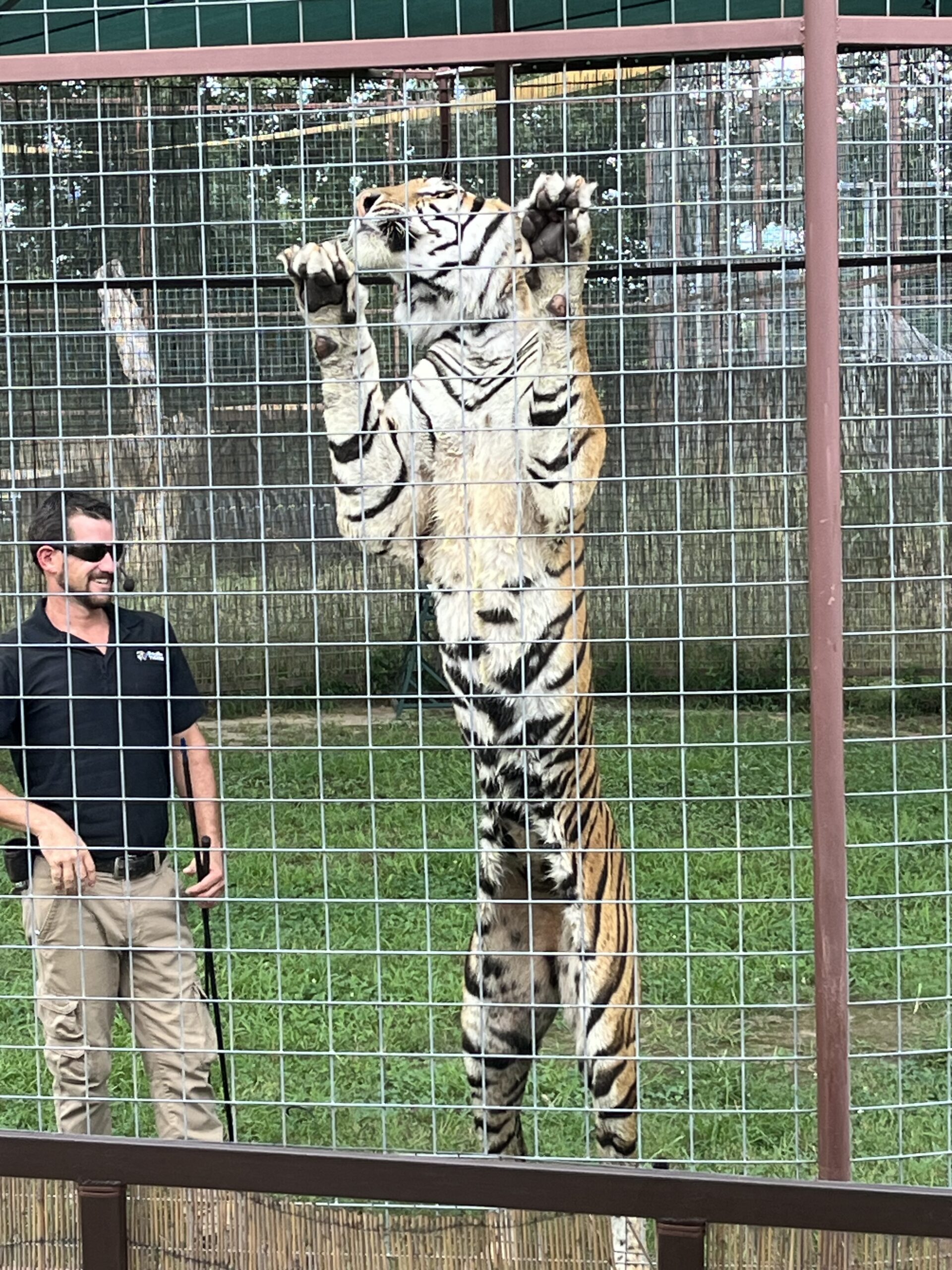
The practice of using tigers for performance or entertainment has been widely debated. Advocates argue that shows can inspire interest in conservation and help fund animal care. Critics, including organizations such as PETA, highlight the stress, confinement, and unnatural behavior often required of captive animals. Over time, ethical standards for wildlife care have evolved, emphasizing enrichment, adequate space, and reduced human handling to minimize stress and risk.
Ryan Easley’s work exemplifies this tension. On one hand, he was a dedicated caretaker who passed multiple inspections and cared for tigers over many years. On the other hand, the entertainment context in which humans interact with large predators remains inherently risky and controversial. The incident in Oklahoma serves as a reminder that even with training, tigers retain their natural instincts and require environments that prioritize their welfare and safety.
Myth, Media, and Modern Perception
Pop culture has further fueled fascination with big cats. Shows like Netflix’s Tiger King highlight the complexity and sometimes controversial lives of individuals who care for exotic animals. Such media often portrays dramatic or extreme scenarios, which can skew public perception. While viewers may be captivated by the charisma and spectacle of the animals, the stories also highlight the ethical and practical challenges of keeping tigers outside of traditional zoological or conservation frameworks.
Historically, tigers have also been subjects of folklore and art, reinforcing symbolic associations with power and mystery. Today, these narratives continue to influence human behavior toward these creatures. While admiration is natural, it must be tempered with an understanding of the biological, behavioral, and ethical realities of interacting with apex predators.

Balancing Human Fascination With Animal Welfare
The Oklahoma incident emphasizes the need for balance between human fascination and animal welfare. Tigers are not domesticated animals, and their needs differ significantly from those of domestic pets. Maintaining their physical and psychological health requires:
-
Large and stimulating environments
-
Socialization appropriate to species
-
Veterinary care and diet management
-
Limited and carefully supervised human interaction
Science and best practices advocate for approaches that respect the animal’s nature while minimizing risks to humans. Conservation-focused sanctuaries, responsible wildlife reserves, and educational programs are effective ways to engage the public without compromising safety or ethics.
Lessons From Tragic Events
While the Oklahoma incident was unfortunate, it highlights broader lessons about human interaction with apex predators:
-
Respect for instincts: Even raised or trained big cats retain their natural behaviors.
-
Safety protocols: Clear boundaries, safety barriers, and emergency procedures are critical.
-
Ethical considerations: Captivity and performance contexts should prioritize animal welfare over spectacle.
-
Public education: Sharing knowledge about species biology and conservation can foster appreciation without direct physical interaction.
These principles align with both scientific perspectives and ethical guidelines for wildlife care.
Reflection on Human Curiosity and Fascination
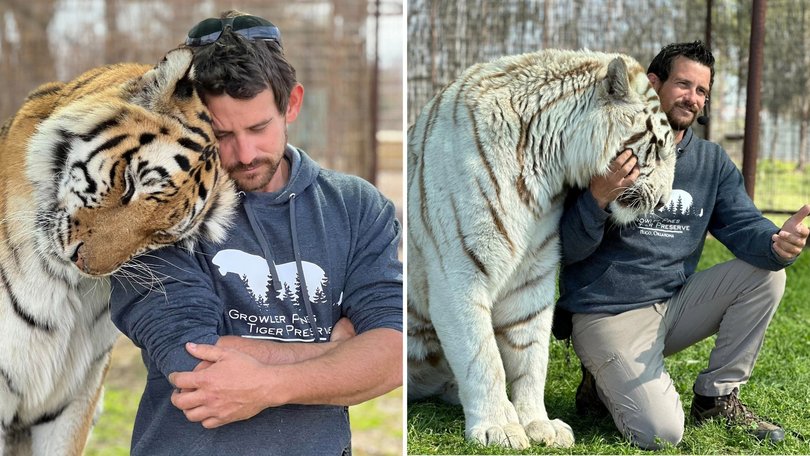
Humans have long been drawn to creatures that embody strength, beauty, and mystery. Tigers, lions, and other big cats are prime examples. Our fascination with these animals can inspire wonder, creativity, and a desire to conserve wildlife. At the same time, it challenges us to approach nature with humility, respect, and responsibility.
Incidents like the one at Growler Pines remind us that awe must be paired with understanding. Science, conservation, and cultural awareness all play a role in shaping safe, ethical, and enriching interactions with wildlife. Human curiosity is a powerful force, but it is at its best when guided by knowledge, empathy, and ethical stewardship.
Conclusion
Big cats have captivated human imagination for centuries, appearing in myths, folklore, and modern media. Their strength, intelligence, and beauty make them endlessly fascinating, but they are also wild animals with instincts and needs that cannot be overlooked. The recent incident at Growler Pines Tiger Preserve illustrates both the allure of these magnificent creatures and the importance of safe, ethical human interaction.
By combining cultural understanding, scientific knowledge, and ethical practice, humans can continue to appreciate and conserve these iconic species without compromising their welfare or our own safety. Stories of fascination, admiration, and even tragedy remind us that curiosity is one of humanity’s greatest strengths—but it must always be tempered by respect.
Sources
-
Newsner
-
Humane World for Animals
-
US Department of Agriculture
-
Oklahoma Department of Wildlife Conservation
-
PETA
