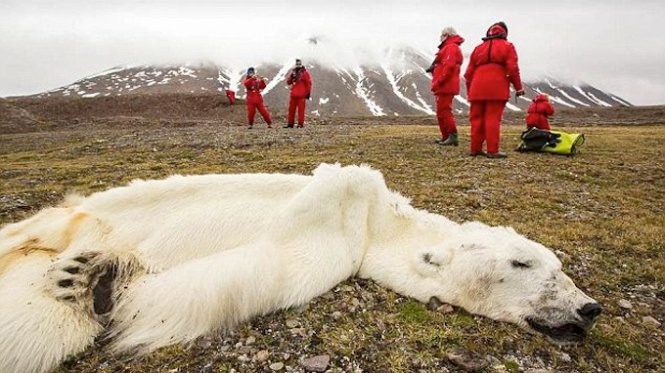

In the vast, icy expanse of the Arctic, polar bears reign as the iconic apex predators of one of the planet’s most extreme environments. Their snowy habitats and hunting grounds have sustained them for millennia. But in recent years, the Arctic has begun to warm at an alarming rate — nearly four times faster than the global average — creating profound challenges for the species.
Polar bears rely on sea ice platforms to hunt seals, their primary source of food. The ice serves as a stage where they stalk, wait, and pounce, building the fat reserves they need to survive long winters. Without it, their hunting season shortens, leaving many bears stranded on land for extended periods with limited access to food. The Arctic’s changing climate has turned survival into an increasingly uncertain journey.
Polar Bears and the Arctic Environment
The Role of Sea Ice in Polar Bear Life
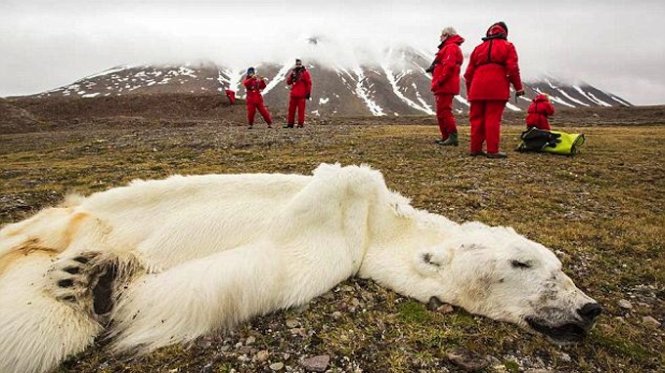
Polar bears are perfectly adapted for life on ice. Their strong bodies, thick fur, and large paws make them efficient hunters in a frozen world. Sea ice is not just a hunting platform; it is their lifeline. Every seal caught provides essential fat, energy, and nutrients. Without this ice, polar bears must expend more energy traveling on land and searching for scarce resources.
The timing of ice formation and melting is critical. If ice breaks apart too early in the spring or forms late in the winter, bears are forced to adapt quickly to changing conditions. This adaptation can include scavenging on land, a strategy that is less efficient and puts them in unfamiliar, sometimes hazardous, terrain.
Scientific Perspective on Climate Impacts
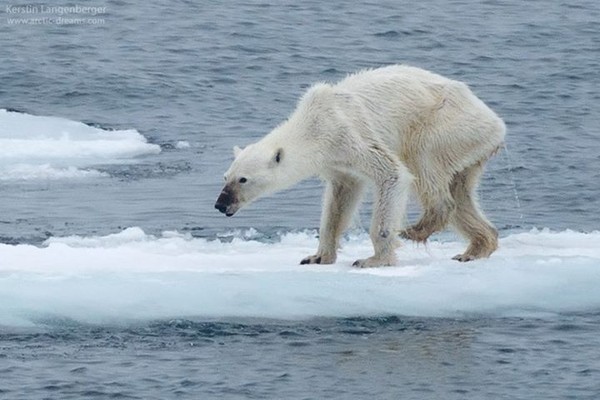
Research from climate scientists and wildlife ecologists consistently shows that shrinking sea ice threatens polar bear survival. Studies demonstrate that bears spending more time on land experience weight loss, lower reproduction rates, and higher risk of mortality. Scientists emphasize that the fate of polar bears is closely linked to global climate trends, making them a key indicator of Arctic ecosystem health.
Cultural Significance and Global Awareness
Polar Bears as Symbols of the Arctic
Polar bears hold a unique place in human imagination. They symbolize strength, endurance, and the fragile beauty of the Arctic. Their plight resonates with the public worldwide, raising awareness about climate change and its broader implications. Images and videos of bears navigating shrinking ice have gone viral, sparking conversations about environmental responsibility and conservation.
Conservation Efforts and Public Engagement
Around the world, organizations are working tirelessly to protect polar bear habitats. Efforts include monitoring populations, advocating for greenhouse gas reductions, and preserving crucial areas of sea ice. Educational campaigns highlight how the Arctic ecosystem depends on interconnected species, from seals and fish to seabirds and polar bears. Public engagement — from supporting conservation groups to individual lifestyle changes — plays a crucial role in ensuring a sustainable future for these animals.
A Heartwarming Example of Animal Resilience — The Orphaned Zebra
While polar bears struggle with climate change, other species face different challenges in human-impacted environments. In Africa, a wildlife rescuer encountered an orphaned baby zebra, separated from its mother and left vulnerable. The young zebra’s survival depended on quick thinking and innovative care.
The Rescue and Innovative Solution
Rescuer Jane Harrison recognized that the zebra needed more than food; it required companionship. She introduced a domesticated donkey to act as a surrogate herd member. Donkeys, sharing similar social traits with zebras, provided reassurance and a sense of safety. The zebra slowly bonded with its new companion, regaining confidence, comfort, and a sense of belonging.
Over the following weeks, the zebra’s health improved, and its playful energy returned. This creative approach demonstrates how understanding animal behavior and social needs can lead to successful interventions even in challenging circumstances.

Scientific Insights from Both Cases
Understanding Animal Behavior
Both polar bears and the orphaned zebra illustrate the importance of environmental and social factors in animal survival. Polar bears rely on stable sea ice, while social animals like zebras depend on herd interactions. Disruptions to these natural conditions, whether due to climate change or orphaning, can cause stress and threaten survival.
Behavioral science shows that animals adapt in different ways depending on the situation. Polar bears may alter hunting strategies or range, while social mammals may seek surrogate companions to fulfill instinctual needs. Recognizing these behaviors helps conservationists, wildlife managers, and rescuers implement effective strategies.
The Role of Human Intervention
Human involvement can play a supportive role when done thoughtfully. In the Arctic, reducing greenhouse gas emissions and protecting habitats contributes to polar bear survival. In African wildlife reserves, innovative interventions like surrogate companions ensure the well-being of orphaned animals. In all cases, respect for natural behavior and careful observation is key.
Lessons for Humanity
Connecting Curiosity with Responsibility
Humans are naturally drawn to wildlife — we admire their strength, intelligence, and resilience. Curiosity drives exploration, observation, and sometimes intervention. These stories remind us that with curiosity comes responsibility. Whether observing a polar bear on thinning ice or caring for a vulnerable zebra, understanding the animal’s needs ensures safety, compassion, and positive outcomes.
Broader Implications for Conservation
Protecting wildlife is not just about individual species. Polar bears, zebras, and countless other animals represent ecosystems that rely on balance and connectivity. Their survival is intertwined with human action and environmental stewardship. By supporting conservation, advocating for climate solutions, and promoting habitat protection, we safeguard both biodiversity and the health of our planet.
Conclusion: Hope and Action
Polar bears and orphaned zebras may live in very different worlds, yet their stories converge on a common theme: resilience, adaptation, and the importance of human responsibility. While challenges like climate change and habitat disruption are formidable, positive outcomes are possible when humans act with knowledge, compassion, and foresight.
These cases invite reflection on how curiosity and empathy can coexist. By observing, learning, and intervening responsibly, we can make a difference — helping species survive and thrive in a rapidly changing world. The stories of polar bears and the rescued zebra serve as both a warning and a source of inspiration, emphasizing that informed human action can create hope where it is most needed.
Sources
-
Polar Bears International: https://polarbearsinternational.org
-
World Wildlife Fund (WWF) Arctic Program: https://wwf.panda.org
-
Journal of Applied Animal Behaviour Science
-
African Wildlife Foundation: https://www.awf.org
-
National Geographic: Wildlife and Climate Change
