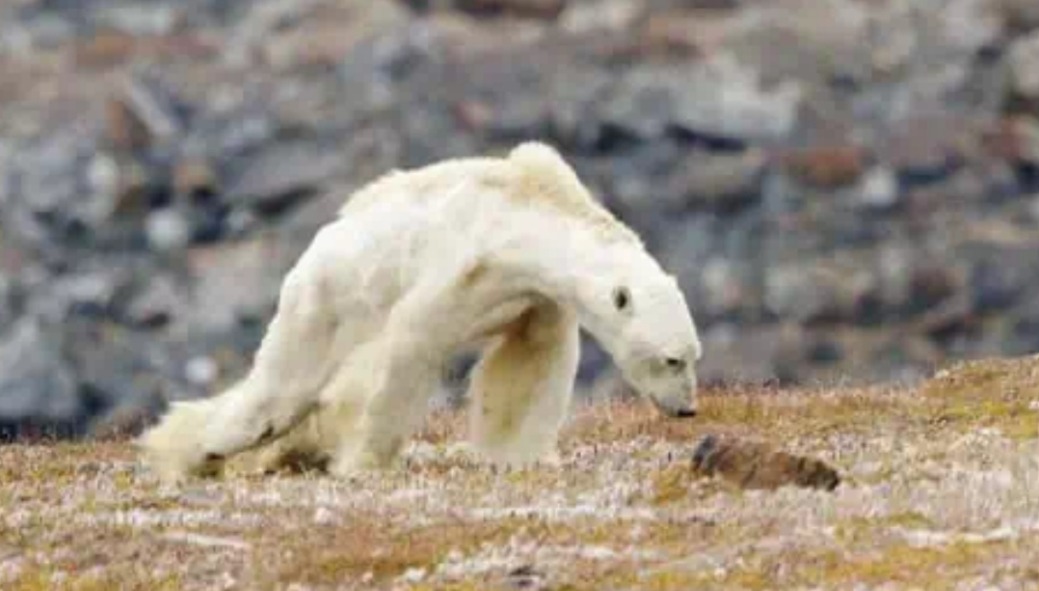

Polar bears, the iconic apex predators of the Arctic, have long symbolized the beauty and resilience of the natural world. However, the effects of climate change are increasingly evident, forcing these magnificent animals to adapt to shrinking ice, longer fasting periods, and a drastically changing environment. One striking account captured by National Geographic photographer Paul Nicklen on Baffin Island illustrates the profound challenges polar bears face and underscores the urgency for collective action.
A Photographer’s Startling Discovery
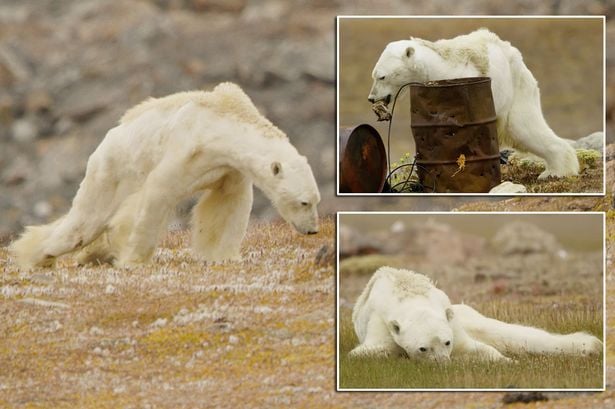
While documenting Arctic wildlife, Paul Nicklen and his team noticed a pale, stationary figure against the barren landscape. At first glance, they thought it was a discarded blanket or snow-draped debris. As they approached, the figure moved, revealing a polar bear struggling across the land. Its movements were slow and deliberate, revealing the toll of a longer-than-usual ice-free season.
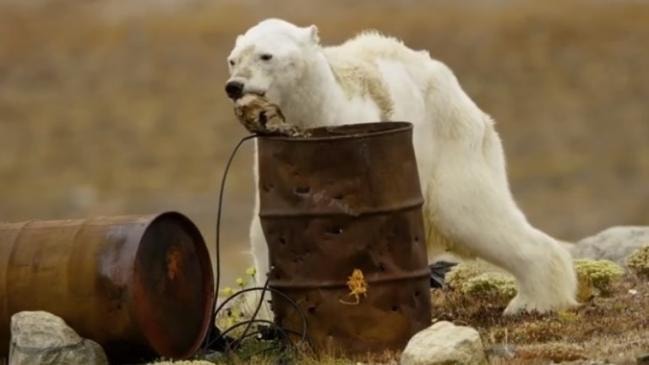
Though Nicklen has spent years photographing polar bears, this sight left a lasting impression. The bear, a creature built to thrive on ice hunting seals, was forced onto land where food sources were scarce. This moment highlighted not only the struggles of a single animal but also the larger challenges facing the species as a whole.
Why Polar Bears Are Vulnerable
Polar bears are uniquely adapted to life on sea ice. Their primary food source, seals, relies on ice platforms for breeding and resting. As temperatures rise and ice melts earlier each year, polar bears face:
-
Reduced hunting opportunities: Shorter ice seasons mean less access to seals.
-
Longer fasting periods: Polar bears must endure longer stretches without food.
-
Energy depletion: Carrying out daily activities without sufficient fat reserves strains their health.
-
Habitat loss: Coastal and land areas provide insufficient alternatives to the ice they depend on.
These factors contribute to declining health, reproductive challenges, and, in some cases, fatalities due to starvation or exhaustion.
The Broader Implications of a Warming Arctic
The story of the struggling polar bear is more than just a local or species-specific concern. It illustrates the interconnectedness of ecosystems and the cascading effects of climate change. As ice disappears:
-
Arctic wildlife faces increased competition for resources.
-
Marine ecosystems are disrupted, affecting fish, seals, and other species.
-
Indigenous communities relying on Arctic wildlife for sustenance experience profound challenges.
-
Global climate patterns may be altered, affecting weather, sea levels, and biodiversity worldwide.
Every melting ice cap, every rising temperature, is a reminder that human actions have far-reaching consequences.

Turning Awareness Into Action
Nicklen shared the footage not to shock but to educate. The bear’s struggle represents a reality many people may never witness firsthand. Raising awareness is a vital step in promoting conservation efforts and inspiring responsible choices. Small changes in daily life can collectively make a difference:
-
Reduce carbon footprint: Limit unnecessary energy consumption, use renewable sources, and support sustainable products.
-
Support conservation organizations: Donate or volunteer for groups focused on Arctic protection and wildlife rescue.
-
Educate and advocate: Share accurate information about climate change and its effects on wildlife.
-
Practice mindful consumption: Reduce waste, avoid products contributing to environmental harm, and make informed choices.
Every action, no matter how small, contributes to a broader effort to preserve habitats and protect vulnerable species.
The Role of Photography in Conservation
Wildlife photography, as demonstrated by Nicklen, plays a critical role in conservation efforts. By capturing intimate, real-world moments, photographers can:
-
Highlight the challenges faced by endangered species
-
Humanize abstract concepts like climate change
-
Inspire global audiences to take action
-
Provide data and observations useful for scientific research
In the case of polar bears, visual storytelling has helped millions around the world understand the direct impact of environmental changes on Arctic wildlife.
A Species in Need
Currently, polar bear populations are estimated at approximately 26,000 individuals globally. Without effective mitigation strategies, scientists predict that numbers could decline by nearly one-third by 2050. The bear captured by Nicklen may have been elderly or unwell, but its condition is a clear representation of the struggles that could become widespread for the species.
Polar bears are not just symbols—they are indicators of the health of the Arctic ecosystem. Protecting them safeguards a complex and delicate habitat critical to the planet’s biodiversity.
Promoting Coexistence and Responsibility
Humans and wildlife share an interconnected future. Conserving habitats, reducing environmental impact, and supporting sustainable policies are all essential in promoting coexistence. By learning from stories like this polar bear’s struggle, individuals and communities can take tangible steps toward:
-
Preserving Arctic ecosystems
-
Supporting responsible hunting and fishing practices
-
Advocating for policies that mitigate climate change
-
Encouraging sustainable tourism and education
The survival of polar bears depends on collective responsibility and conscious effort to protect their environment.
Hope and the Path Forward
While the footage of a struggling polar bear is a sobering reminder of climate change, it is also a call to hope and action. Awareness, compassion, and informed choices can drive meaningful change. As more people engage with conservation initiatives and adopt environmentally responsible behaviors, the outlook for polar bears—and countless other species—can improve.
Photography and storytelling can inspire empathy, bridging the gap between distant ecosystems and human communities. Each viewer who chooses to act becomes part of a growing network of change-makers dedicated to protecting our planet and its creatures.
Conclusion: A Shared Responsibility
The polar bear’s struggle is a lesson for all of humanity: our planet is interconnected, and the consequences of environmental neglect affect all living beings. While one bear’s journey may seem small, it is emblematic of the broader challenges facing wildlife in a warming world.
Through awareness, education, and collective action, we can preserve habitats, reduce human impact, and ensure that polar bears continue to thrive in their natural environment. Each mindful decision—whether it’s reducing energy consumption, supporting conservation efforts, or advocating for climate-friendly policies—contributes to a healthier planet for generations to come.
The story captured by Paul Nicklen is more than an image; it is a reminder that our choices matter, and that empathy, awareness, and action can protect not just polar bears, but the delicate balance of life on Earth.
Sources:
-
National Geographic
-
Sea Legacy
-
World Wildlife Fund – Polar Bears
-
Climate Change and Arctic Wildlife Studies
