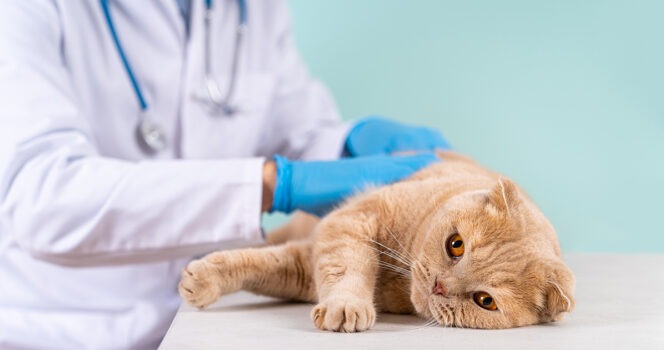

Cats often feel like magical beings who glide through our homes with quiet confidence and gentle affection. They curl up beside us on difficult days, greet us with soft purrs after long hours away, and fill ordinary moments with warmth. Because of this deep connection, it can be incredibly emotional when a beloved cat begins to show signs of significant aging or declining health.
Every cat’s journey is unique. Some grow old with slow, subtle changes, while others shift more quickly. Many pet owners describe these moments as a time filled with mixed emotions—gratitude for years together and concern for what lies ahead. Understanding what these signs mean, both culturally and scientifically, can help you offer the comfort, peace, and support your feline companion deserves.
Before exploring these signs, it’s important to remember that only a veterinarian can provide a clear medical assessment. This article simply helps you understand common indicators that a cat may be entering a gentle transition toward the final stage of life.

A Story to Begin: When Luna Started to Change
Samantha had lived with her cat Luna for nearly fifteen years. Luna had been playful, curious, and endlessly affectionate from the day she arrived. But one autumn afternoon, Samantha noticed that Luna hadn’t greeted her at the door—something she did every single day.
Instead, Luna was tucked quietly behind the curtains, her once-bright eyes slightly softer. Over the next weeks, other changes began to appear: Luna slept more, ate less, and occasionally forgot her usual routines. Concerned, Samantha consulted her veterinarian, who gently explained that Luna was entering the final stage of her long, beautiful life.
For Samantha, understanding these signs allowed her to surround Luna with comfort, presence, and peace. It also helped her prepare emotionally, with clarity instead of confusion.
Luna’s story reflects experiences shared by many cat owners—and highlights why recognizing these signs early can make such an important difference.
Understanding the Final Stage of a Cat’s Life
Cats have a unique ability to mask discomfort or weakness. This instinct comes from thousands of years of evolution, where appearing vulnerable could have invited danger in the wild. As a result, even cats living comfortably indoors may hide significant changes in their well-being.
Recognizing the signs below can help you support your cat with compassion, whether through home comfort measures or professional guidance.
The 11 Signs Your Cat May Be Approaching Its Final Stage
1. Seeking Solitude or Hiding More Often
In many cultures, cats are believed to have mystical instincts—some even claim they can sense transitions before they happen. While this is speculative and rooted in folklore, what we do know scientifically is that cats often seek quiet, secluded spaces when they feel unwell.
This behavior is a natural self-protective instinct. If your usually social cat starts hiding frequently, it may be signaling discomfort, fatigue, or emotional withdrawal.
2. Reduced Appetite and Lower Water Intake
A noticeable decline in appetite or thirst is one of the most common indicators of declining health. As a cat’s body begins to slow down, its metabolic needs change.
While this can be difficult to see, it is also a normal part of the body conserving energy. If your cat stops eating or drinking consistently, a veterinarian should be consulted.
3. Increased Sleeping or Resting
Cats already sleep a significant portion of the day, but during the final stage of life, their sleep patterns may shift even more. You may notice longer naps, deeper rest, or a lack of interest in activities that once excited them.
In many traditional beliefs, extra sleep is seen as a cat preparing for a peaceful transition. Scientifically, this is simply a sign of reduced energy and strength.
4. Changes in Breathing Patterns
Breathing may become slower, shallower, or more intermittent. These shifts typically reflect changes in energy levels and overall body strength.
While folklore sometimes attributes unusual breathing patterns to spiritual sensitivity, the scientific explanation is far more straightforward: aging and weakened organs can cause a natural change in breathing rhythm.
5. Loss of Interest in Surroundings
A formerly playful or affectionate cat may appear more distant or unresponsive. This can include less enthusiasm for toys, decreased interaction with family members, or a general quietness.
Many pet owners interpret this as emotional withdrawal, but in most cases it’s simply a sign that your cat is conserving energy.
6. Coat Becoming Dull or Unkempt
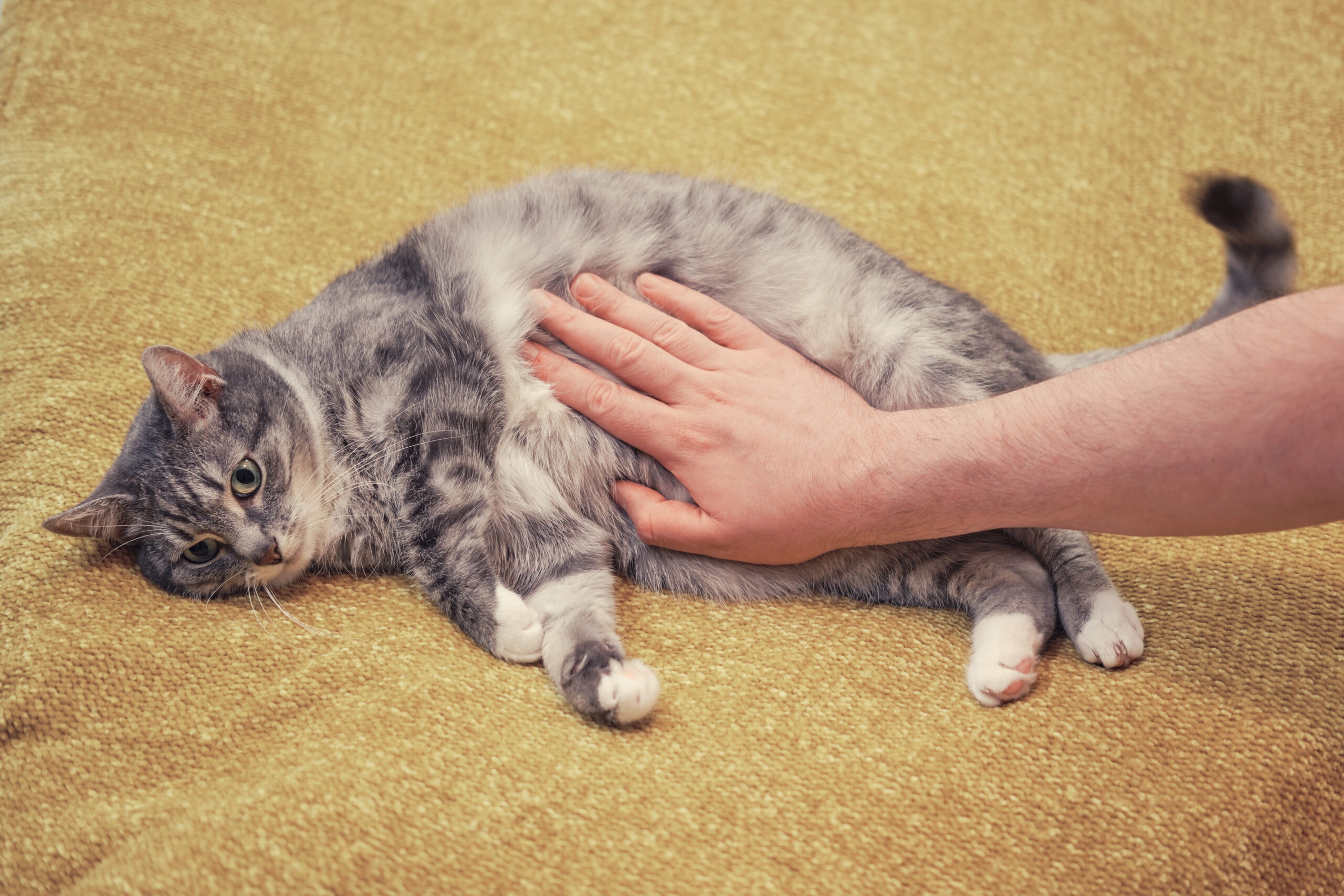
Cats typically groom themselves with remarkable diligence. When their coat becomes dull, tangled, or uneven, it often signals that grooming has become too tiring for them.
Both traditional animal caretakers and modern veterinarians agree that grooming changes are an important sign of declining vitality.
7. Difficulty Moving or Balancing
As cats age, joints may stiffen and muscles may weaken. You might notice your cat hesitating before jumping, walking more slowly, or losing balance occasionally.
In some cultures, these physical shifts are seen as signs of wisdom or life experience. Scientifically, they reflect mobility challenges common in senior pets.
8. Behavioral Shifts or Increased Clinginess
Not all cats withdraw during this stage—some become more affectionate than ever. They may follow you from room to room, seek more cuddles, or want to be held more often.
Experts believe this behavior may be your cat’s way of seeking reassurance and comfort.
9. Signs of Nausea or Digestive Discomfort
Digestive changes such as nausea or occasional vomiting may appear. Cats might avoid food, lick their lips more often, or appear unsettled.
These symptoms can occur for many reasons, so a veterinarian should always assess them.

10. Digestive Irregularities
Shifts in bowel habits, whether more frequent or less frequent, may indicate a slowdown in the digestive system. This is common in senior pets and can be handled by ensuring comfort, hydration, and a peaceful environment.
11. Temperature Changes
A cat entering the final stage may experience fluctuations in body temperature. Their body may feel warmer or cooler than usual, especially in the ears, paws, or nose.
In traditional folklore, temperature changes are sometimes interpreted as shifting internal energy. Scientifically, they are simply signs of the body adjusting during a decline in vitality.
Myth, Culture, and the Science Behind These Signs
Across the world, cats have long been associated with intuition, mystery, and spiritual symbolism. Some cultures believe that cats can sense transitions or shifts in energy before humans can. Others see a cat’s quieter behaviors during aging as signs of wisdom or peaceful acceptance.
While these ideas are rooted in cultural interpretation and not science, they reflect a deep respect and admiration for cats.
From a scientific standpoint, the signs above are connected to natural biological changes. Aging affects every system in the body—from metabolism to mobility to cognitive function. Understanding both cultural and scientific perspectives can help pet owners find meaning and clarity during this time.

How to Support Your Cat with Comfort and Care
Provide a Peaceful Environment
Create a quiet, warm, and cozy space where your cat can rest comfortably. Soft bedding, low lighting, and easy access to food, water, and the litter box can help immensely.
Gentle Interaction
Offer calm companionship. Sit nearby, speak softly, and let your cat choose how much contact they want.
Monitor Nutrition and Hydration
Even if appetite is low, ensure your cat has access to fresh water and food options that are easy to eat. Your veterinarian may suggest specialized diets.
Consult a Veterinarian
If you notice any concerning symptoms, professional guidance is essential. A veterinarian can help determine whether your cat is experiencing discomfort and suggest ways to maintain quality of life.
A Reflection on Human Curiosity and Compassion
When we notice changes in our cat’s behavior, routines, or vitality, it awakens a natural curiosity within us. We want to understand what is happening, how time shapes their journey, and how we can be present for them. This curiosity is rooted in love—an expression of the bond we share with our pets.
Recognizing these signs does not diminish the beauty of their life. Instead, it allows us to walk beside them with awareness, comfort, and gratitude. In learning about their final stage with compassion, we honor the years of joy, companionship, and quiet moments that made them family.
Sources
-
en.newsner.com
-
American Association of Feline Practitioners
-
Cornell Feline Health Center
-
International Cat Care
