
For centuries, whispers have followed a mysterious document known as the Letter of Lentulus — a vivid description of Jesus Christ allegedly written by a Roman governor who witnessed him with his own eyes. Scholars have debated it, theologians have dismissed it, and believers have reimagined it. Yet despite the overwhelming consensus that the document is a medieval invention, it continues to spark fascination, controversy, and speculation.
Why does a proven forgery still capture the imagination of millions?
Why do new “discoveries” of the letter emerge every decade?
And why does this legend, more than any other apocryphal text, challenge our assumptions about how religious narratives are shaped?
To answer these questions, we must go deeper — into the world of medieval Europe, early Christian iconography, and the modern obsession with uncovering hidden truths.
A Document That Should Not Exist — But Does
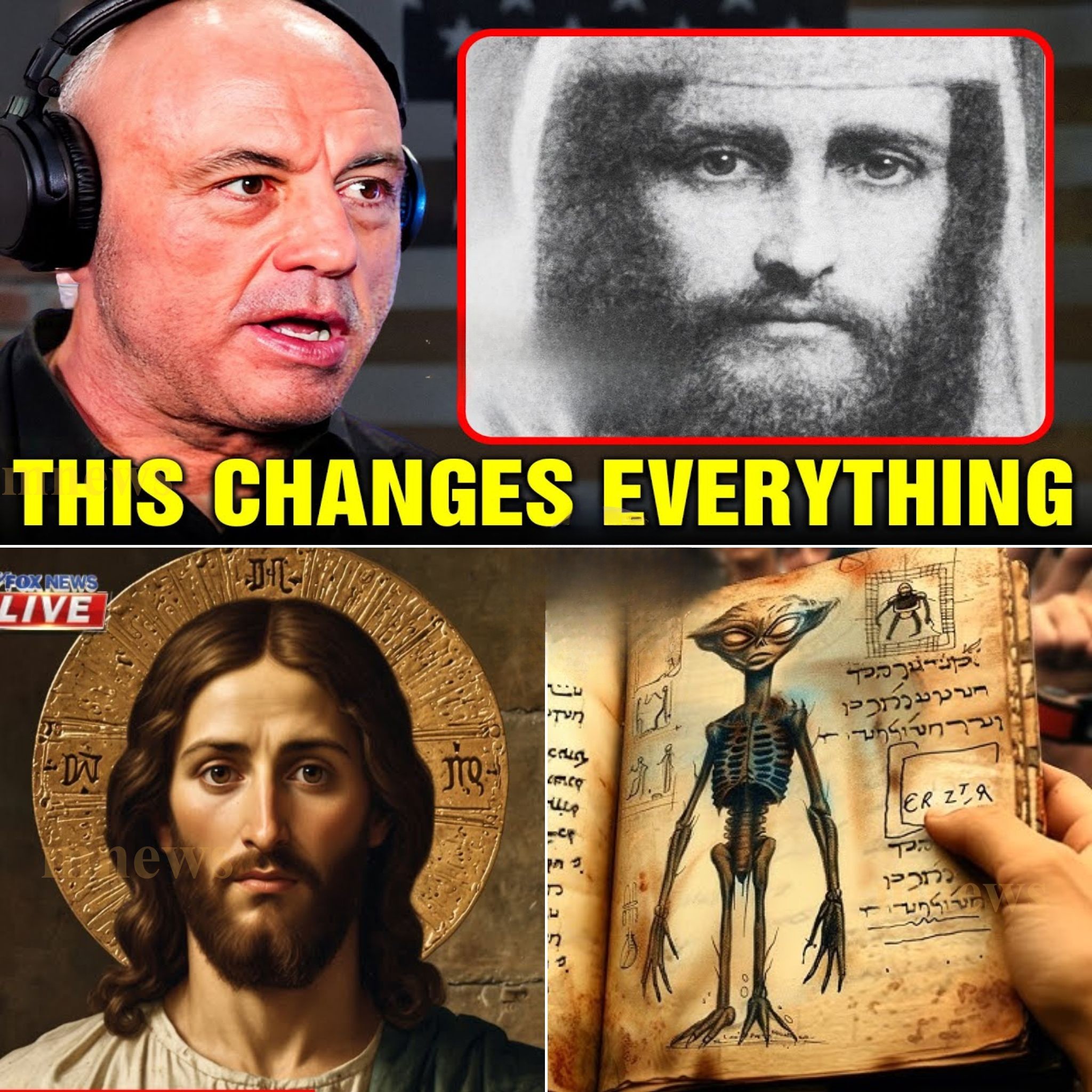
The Letter of Lentulus first appeared in medieval manuscripts sometime between the 13th and 15th centuries. It claimed to be written by Publius Lentulus, a Roman official who allegedly governed Judea before Pontius Pilate.
Historically, no such official ever existed.
Roman administrative records are extensive and detailed, and not one of them places a governor named Lentulus in Judea. Even more suspiciously, the letter uses terminology that did not exist at the time it supposedly was written — clear evidence of a much later origin.
Yet the letter thrived.
Its survival through monasteries, manuscripts, and Renaissance collections shows not only how compelling its description was, but how deeply medieval Christians desired a physical portrait of Jesus — something the Bible never provided.
The Lentulus letter filled that void.
A Portrait More Vivid Than Scripture
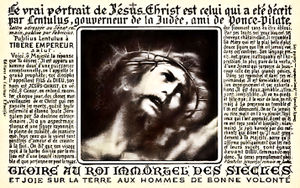
While the Gospels describe Jesus’ actions, teachings, and character, they reveal nothing about his physical appearance. Early Christian communities deliberately avoided portraits of Jesus, fearing idolatry. This silence left a vacuum — and nature, as always, hates a vacuum.
The Lentulus letter stepped in to fill it with startling specificity:
-
Hair “the color of ripe hazelnut”
-
Eyes “clear and blue as the sky”
-
A tall, imposing stature
-
A serene yet commanding expression
-
A demeanor that inspired both awe and fear
In medieval Europe, where art shaped theology as much as scripture, this description became foundational. Renaissance painters relied on the letter for inspiration, and its imagery helped define centuries of Western religious art.
Even though scholars recognized the text as inauthentic, its influence was already cemented.
Why Fake Documents Gain Real Power
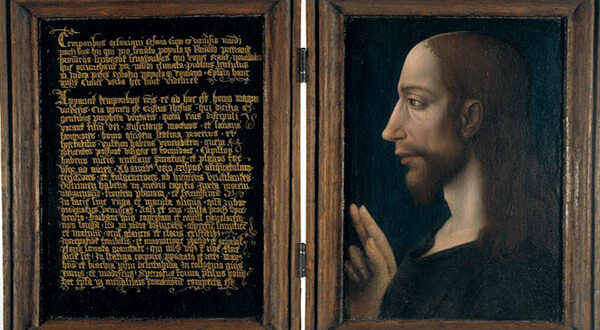
Forged historical documents usually fade quickly. But some — like the Donation of Constantine or the Protocols of the Elders of Zion — take on lives of their own because they speak to cultural needs, anxieties, or desires.
The Lentulus letter endures for a different reason:
It gives people something the Bible does not: a tangible human portrait of Jesus.
In an age of icons and frescoes, believers longed for a description from an eyewitness. Even if fictional, the Lentulus letter satisfied that longing.
Modern readers are no different. The world still craves certainty, especially about figures who changed history. The idea that Jesus might have been a physically imposing, charismatic political figure — rather than the gentle shepherd of modern artwork — continues to fascinate.
This fascination explains why, every few years, sensational claims reappear online:
“Lost documents discovered!”
“Vatican cover-up exposed!”
“AI authenticates forbidden text!”
These claims spread because they tap into a shared psychological impulse — the hope that there is more to history than the official narrative.
A Mirror for Our Assumptions

The most revealing thing about the Lentulus letter is not whether it is authentic, but what it reflects about each generation that reads it.
When Renaissance artists imagined a majestic, regal Jesus, they embraced the Lentulus description because it aligned with their ideals of beauty and holiness.
When modern documentaries highlight Jesus as a revolutionary figure confronting imperial Rome, the letter resurfaces again — now framed as evidence that he was a force capable of intimidating political powers.
And in an era of skepticism toward institutions, stories about Vatican secrecy flourish easily. The narrative of a suppressed document promising “the real Jesus” resonates with people who distrust organized religion or established history.
The Lentulus letter does not shape beliefs — beliefs shape the Lentulus letter.
What the Letter Gets Right (and Wrong)
The document is false, but its portrayal of Jesus reveals deeper truths about how ancient figures are remembered.
What it gets wrong:
-
Romans of the period did not describe provincial religious leaders with such poetic detail.
-
The physical description aligns with medieval European beauty standards, not Middle Eastern ethnography.
-
No Roman official named Lentulus served in Judea.
What it gets right:
The letter captures the aura of authority Jesus evidently commanded. Almost every historical source — Christian and non-Christian — agrees that he had a presence that drew crowds, confronted elites, and challenged social orders.
The idea of Jesus as meek, gentle, and politically passive is far more a product of later Christian tradition than early texts.
In this sense, the Lentulus letter reflects a truth disguised within fiction:
Jesus was not merely a spiritual teacher; he was a disruptive public figure whose influence alarmed powerful institutions.
Why the Legend Still Matters
The Letter of Lentulus remains popular because people want Jesus to be someone they can visualize — someone tangible, specific, human. The mystery surrounding his physical appearance creates space for cultural imagination.
But more importantly, the letter raises questions modern faith communities are still grappling with:
Was Jesus purely a spiritual leader, or also a political actor?
Did his followers reshape his image for theological purposes?
How much of religious history is constructed, reinterpreted, or idealized over time?
The Lentulus letter forces us to confront an uncomfortable truth:
Our image of the past is never purely historical — it is constructed through the lens of what later generations want, need, or expect to see.
The Real Story Behind the Fiction
While the recent viral claims of a “new discovery” are untrue, the renewed interest in the Lentulus letter reveals something important about our era:
We remain desperate for certainty in a world of fractured narratives.
We are drawn to the idea that hidden archives might still contain documents capable of reshaping history.
We crave stories that disrupt consensus and challenge authority.
We hunger for mystery, revelation, and rediscovery.
In that way, the Lentulus letter — though forged — remains one of history’s most influential mirrors. It reflects not the face of Jesus, but the face of every generation searching for him.
A Legend That Won’t Stay Buried
The letter may not be authentic, but its power is undeniable. It has shaped art, inspired debate, and fueled centuries of speculation.
Most myths die quickly.
The Lentulus letter lives on.
Not because it is true —
but because it answers a human longing as old as faith itself.
