
For decades, many women grew up with the idea that “smooth, hairless skin” was a basic requirement of femininity. Hair removal wasn’t just a grooming choice; it was treated as an obligation. Shaving, waxing, and plucking were framed as signs of elegance and self-respect, while visible body hair on women was often criticized or mocked.
In recent years, however, more women have started to question these expectations. Instead of shaping their bodies to fit a narrow standard, they are choosing to embrace their natural hair—and, along with it, their autonomy. For them, skipping the razor is not about rejecting those who enjoy shaving, but about expanding what is considered normal, acceptable, and beautiful.
Below are 15 women—some everyday people, some globally known artists and public figures—who decided to live a razor-free life and stand confidently in that choice.
1. “It’s a journey, not an overnight decision.”
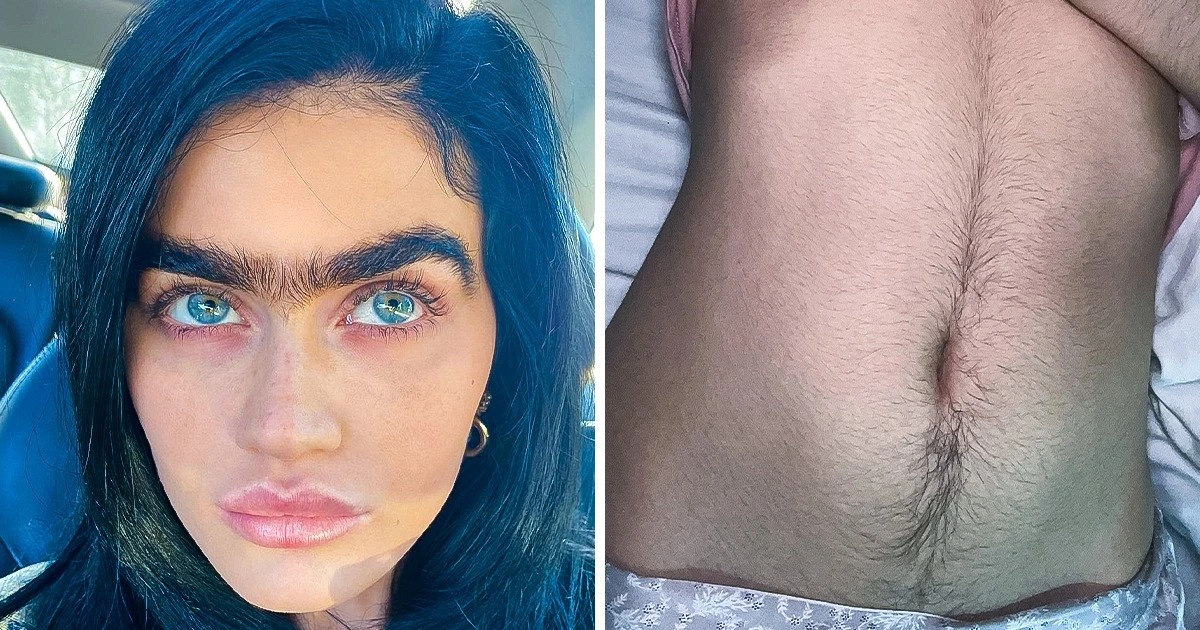
One woman explains that becoming comfortable with her body hair didn’t happen in a single day. She talks about taking small steps: first letting her leg hair grow a little, then wearing shorts, then going out in public without trying to hide it.
“You’ll find it easier to feel comfortable with your hair by making small actions little by little every day,” she says. “It’s a journey.”
Her story highlights a reality many people underestimate: changing how you feel about your body often involves slow, consistent acts of courage.
2. A compliment that changed the mood of the day
Another woman shared that she went shopping with her legs unshaven, fully expecting to be judged. Instead, a stranger noticed and gave her a genuine compliment about her confidence and natural look.
What she remembered most was not the words themselves, but the feeling of being seen and accepted without conditions. For her, it turned an anxious outing into a moment of affirmation.
3. Sofia: “A razor doesn’t touch my skin.”
Sofia decided some time ago that shaving no longer aligned with how she wanted to live. She stopped using razors altogether, choosing comfort and authenticity over constant maintenance.
When people online criticized her photos, she responded by pointing out how limited many people’s experiences are. She believes that being exposed to different cultures and different ways of living can reduce judgment and increase empathy. For her, body hair is simply one part of human diversity—and nothing to be ashamed of.
4. Learning not to judge others
Another woman in the movement reminds people that body hair is natural, and calling others “imperfect” because of it says more about the critic than the person being judged. She argues that true maturity and kindness come from allowing others to make their own choices about their bodies without turning those choices into a moral issue.
5. Julia Michaels at the Grammy Awards
Singer-songwriter Julia Michaels has used her platform to talk openly about body acceptance. When she posted photos of herself showing her armpit hair on social media, some commenters criticized her appearance—but many others expressed support and gratitude.
Rather than let body-shaming define her, Michaels responded with humor and confidence. She later appeared on the red carpet at the Grammy Awards with her underarm hair visible, turning a moment that could have been purely cosmetic into a quiet but powerful statement: she is in charge of how she presents her own body, not strangers on the internet.
Her stance encouraged fans to rethink how much power they give to criticism about their appearance and to consider a softer, more accepting view of themselves.
6. “I don’t think I own a razor anymore.”
One woman jokes that she’s not even sure if there’s a razor in her bathroom cabinet at this point. For her, body hair is simply part of life, not a problem in need of a solution.
When people tease or question her choice, she tends to respond with light-hearted humor. Underneath the jokes, though, is a clear point: grooming is a personal decision, and what feels right for one person doesn’t have to be universal.
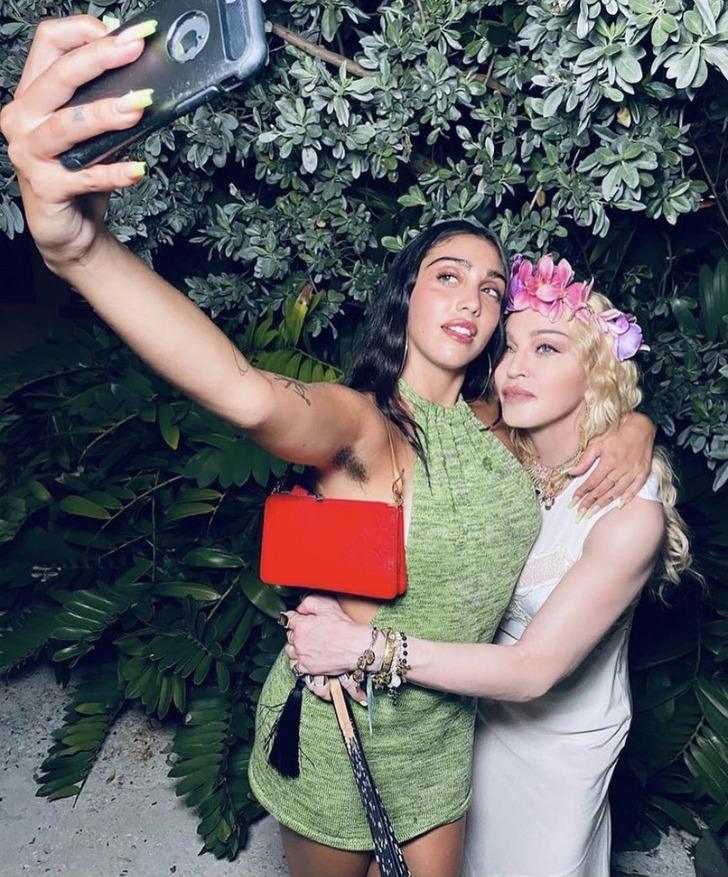
7. Lourdes Leon carrying on Madonna’s legacy of self-expression
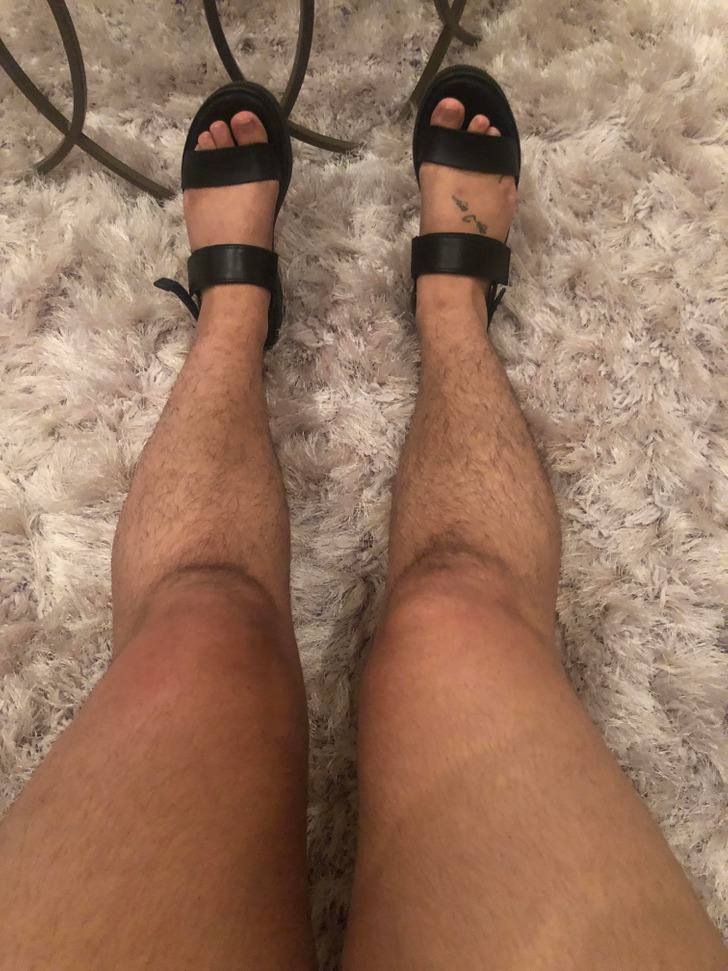
Lourdes Leon, daughter of pop icon Madonna, has followed her own path in fashion and identity. Like her mother, she has appeared at public events and in fashion campaigns with visible underarm and leg hair.
Her runway walk at New York Fashion Week—unshaven legs and all—sent a message to an industry that often relies on extremely strict and polished standards. She reinforced it again at red carpet events where her natural hair was clearly visible.
Reactions ranged from critical to deeply supportive, but Lourdes remained consistent: her body is not a public project. Her presence challenges the idea that models and public figures must erase every trace of body hair to be considered “professional” or “beautiful.”
8. Frida Kahlo: a historical icon of unapologetic self-image
Long before the current wave of body positivity, artist Frida Kahlo was photographed and painted with features many women were taught to hide, including facial and body hair. She never tried to erase them in her self-portraits. Instead, she incorporated them directly into her art and identity.
Today, Kahlo is often cited as an early symbol of living authentically, showing how personal expression can outlast trends and standards.
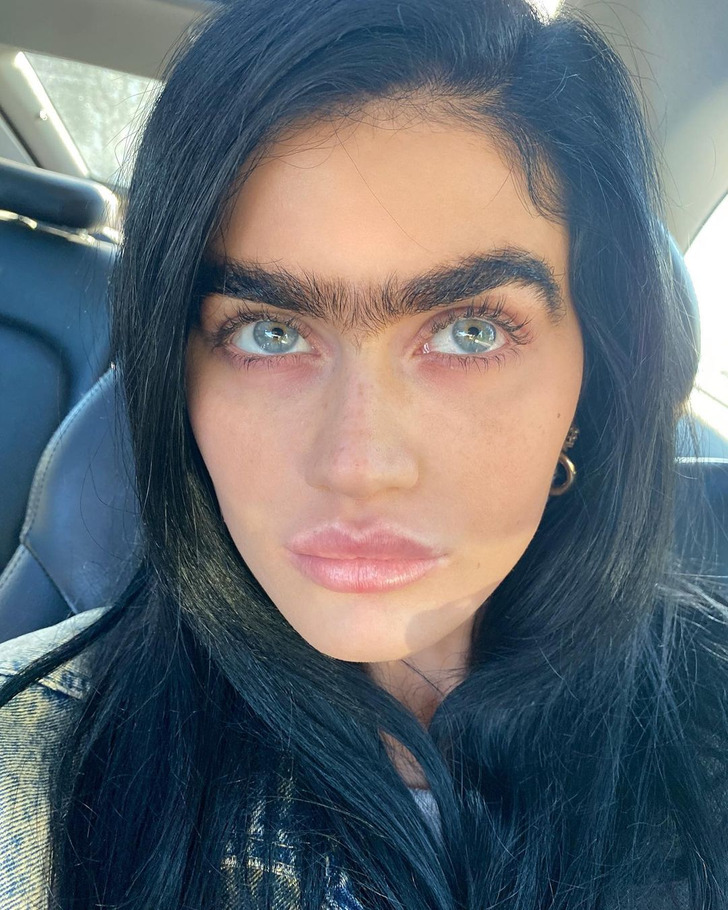
9. “Trying to embrace my hirsutism.”
One woman shared that she lives with hirsutism—a medical condition that causes increased hair growth on the body and face. For years, she felt pressure to remove every strand, fearing judgment or misunderstanding.
Now, she is gradually trying to accept her appearance, including her facial and chest hair. Her journey is not about pretending insecurity never existed, but about building a new relationship with her body. She wants others with similar conditions to know they are not alone and that their value is not defined by how closely they match a narrow ideal.
10. Julia Roberts and the red carpet moment that became a symbol
In the late 1990s, actress Julia Roberts walked a movie premiere red carpet wearing a gown that revealed her underarm hair. At the time, the images sparked wide discussion and are still frequently shared today.
Interestingly, Roberts later explained that it wasn’t meant as a deliberate statement—it was simply how she was living at the time. That honesty made the moment even more powerful. It highlighted that personal choices don’t always begin as activism, yet they can still challenge rigid expectations and open up space for others.
11. “After my run, I’m still not shaving.”
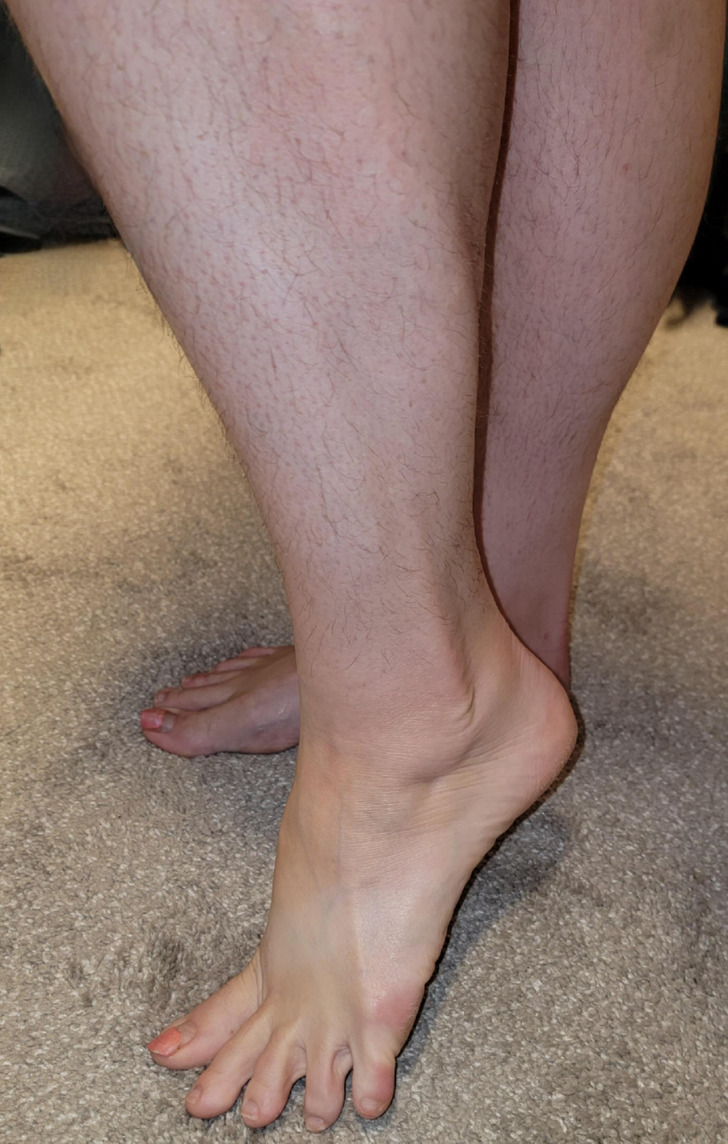
Another woman posted a photo after a workout, proudly showing her unshaven legs and underarms. She received both encouraging and negative comments, including jokes about her body hair.
Instead of letting the criticism define her, she used it to start a conversation about why natural features are mocked at all. She pointed out that if body hair is normal on men, it should not be treated as “wrong” on women.
12. Amandla Stenberg’s non-binary visibility
Actor Amandla Stenberg, who identifies as non-binary, sparked conversation when she attended a European film premiere in a sleeveless gown with visible armpit hair. She later shared a photo on social media, using her platform to encourage self-acceptance and challenge narrow beauty gender norms.
For many fans—especially young people questioning or exploring their identities—Stenberg’s openness became a source of comfort. She showed that you can honor your gender identity, your body, and your personal style all at once, without needing to fit into predefined boxes.
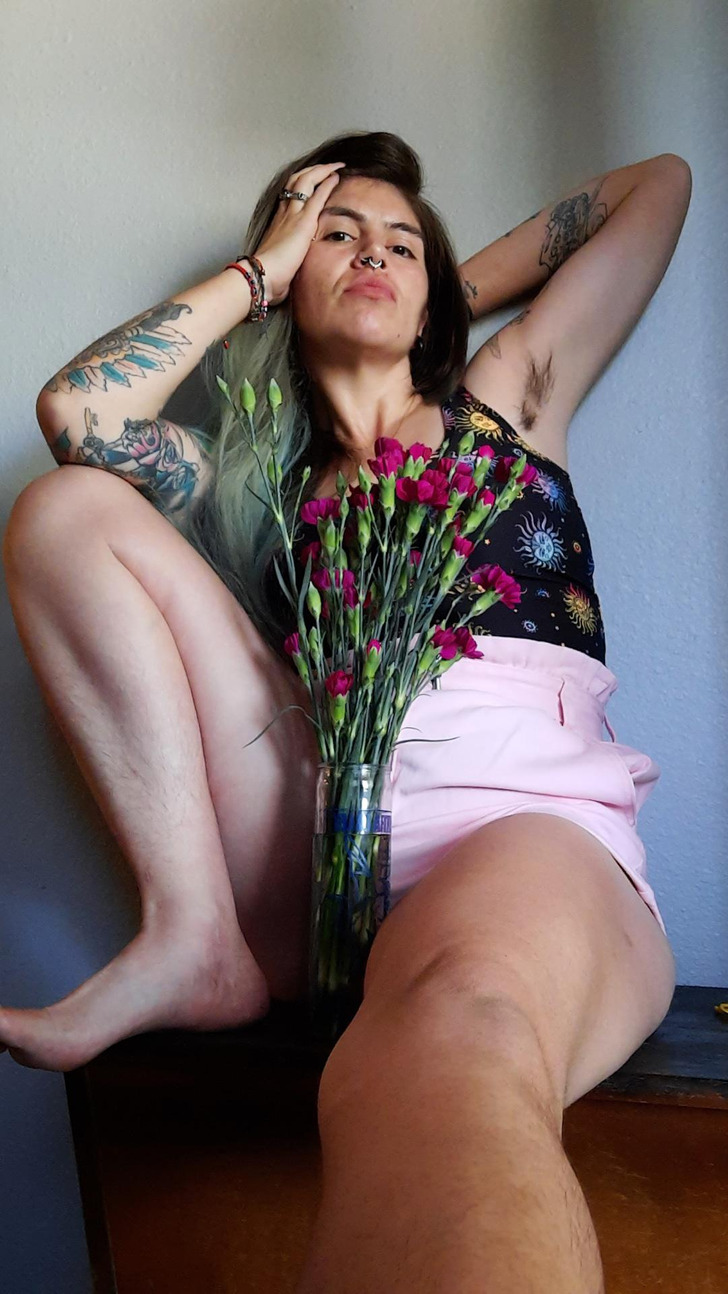
13. “Flowers and sunshine”
One woman captioned a joyful photo of herself “Flowers and sunshine,” showing her natural body hair with a bright smile. While some online comments were unkind, she focused on the positive: her own comfort, her own happiness, and the support she received from those who appreciated her authenticity.
Her reminder is simple: a person’s grooming choices do not erase their kindness, talent, or worth.
14. “Over one year razor-free!”
After more than a year without shaving, another woman celebrated her “razor-free anniversary.” Family members and friends teased her playfully at times, but she views these conversations as an opportunity to normalize different choices rather than as attacks.
To her, the most important thing is that she feels at ease in her own skin. The more she lives this way, the less she feels defined by others’ expectations.
15. “Society needs to accept that women have hair too.”
For many of these women, the core message is not “everyone must stop shaving,” but “everyone deserves the freedom to choose.” Some people enjoy shaving and find it personally affirming. Others feel more authentic when they let their hair grow naturally.
The real shift is in recognizing that both paths—and everything in between—are valid.
The movement toward razor-free living is part of a larger conversation about autonomy, body positivity, and respect. It asks us to stop treating body hair as a moral issue and start viewing it as one facet of personal expression. In the end, what matters most is not whether someone picks up a razor, but whether they feel safe, respected, and free to decide what is right for them.
A world that truly accepts women’s body hair is, at its core, a world that accepts women—and people of all genders—as full owners of their own bodies.
