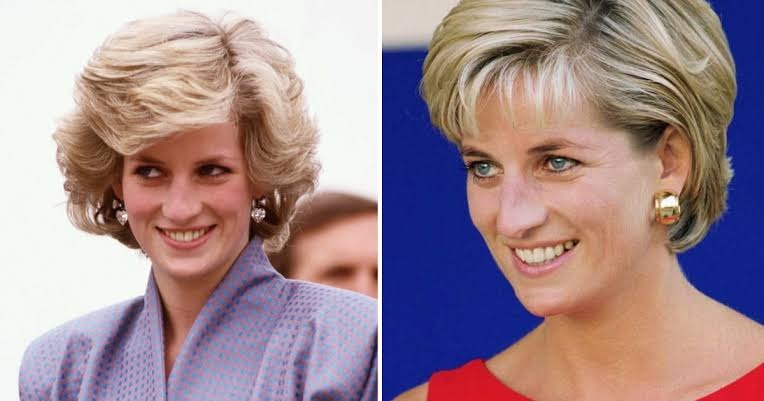

Few women in modern royal history have inspired as many fashion and beauty conversations as Diana, Princess of Wales. From her elegant evening gowns to her effortlessly chic everyday outfits, nearly every aspect of her appearance became a source of inspiration for women around the world.
Among her most recognizable features was her blonde hair.
Today, many people immediately picture Diana with her famous short, feathered hairstyle. Yet her beauty journey included several different looks, from the longer, softer hairstyles of her youth to the voluminous layers that defined much of the 1980s.
Her transformation was more than a simple change in haircut. It reflected the changing fashion of different decades and the evolution of a woman whose public image developed considerably throughout her life.
Whether she wore her hair long, softly layered, or cropped close to her head, Diana demonstrated that elegance was never dependent on one particular hairstyle.
1. Princess Diana’s Early Years: Long, Natural Blonde Hair
Before becoming one of the most photographed women in the world, Diana Spencer was a young woman with a relatively understated sense of personal style.
During her youth, she sometimes wore her naturally blonde hair long and relatively straight. These early photographs show a softer, more relaxed appearance that was quite different from the carefully styled looks she would become famous for later.
When Diana entered the public spotlight at the age of 19, her appearance began attracting considerable attention. Her engagement to Prince Charles in 1981 brought an extraordinary level of media interest, and her hairstyles soon became part of the public fascination surrounding her.
Rather than immediately adopting the short haircut associated with her later years, Diana experimented with different lengths, layers, and styling techniques.
Her early appearance was youthful and approachable, but it would not be long before she developed a much more recognizable beauty signature.

2. The 1980s: Feathered Layers and Voluminous Blonde Hair
The 1980s were an unforgettable decade for fashion and beauty. Big hairstyles, dramatic volume, soft curls, and feathered layers were everywhere, and Diana embraced many of these trends.
Her hair became fuller and more structured, with layers framing her face and softly sweeping away from her forehead.
This look was particularly flattering with the fashion of the period. Diana frequently appeared in elegant dresses, tailored jackets, and formal royal outfits, while her voluminous blonde hairstyle added a distinctive finishing touch.
Throughout the decade, she experimented with different variations of the same general style.
Sometimes her hair appeared shorter, with layers sitting around her jawline. On other occasions, it grew longer and fuller, creating a softer silhouette that extended toward her shoulders.
She also occasionally incorporated decorative accessories, including elegant hair ornaments and tiaras for formal occasions.
These hairstyles became closely associated with Diana’s image during her early years as Princess of Wales.
However, as fashion began moving away from the exaggerated volume of the 1980s, Diana’s appearance gradually changed too.

3. The Iconic 1990 Hair Transformation: Sam McKnight Enters the Story
One of the most important moments in Princess Diana’s beauty evolution happened in 1990, when she met hairstylist Sam McKnight during a British Vogue photoshoot.
At the time, McKnight was working with photographer Patrick Demarchelier and fashion editor Anna Harvey.
During the photoshoot, he styled Diana’s hair to appear much shorter, using styling techniques to create a sleek, cropped effect beneath her tiara.
The result was striking.
Diana liked the appearance so much that she asked McKnight what he would do to her hair if he had complete freedom to change it.
His answer was straightforward: he would cut it short and start again.
Diana agreed, and the transformation took place.
McKnight later explained that the decision reflected the changing fashion atmosphere of the early 1990s. The elaborate silhouettes and voluminous hairstyles of the previous decade were giving way to cleaner lines, simpler styling, and more modern fashion.
The new haircut suited this direction perfectly.
Instead of the fuller, heavily styled appearance associated with her earlier years, Diana now had a shorter, lighter hairstyle that could be worn in several different ways.
The change quickly became one of the defining beauty moments of her life.
According to McKnight, Diana later credited the haircut with helping her feel more confident during a period of personal change.
Their professional relationship continued for approximately seven years, until her death in 1997.
4. Princess Diana’s Signature Short Haircut Became a Global Beauty Inspiration
By the early 1990s, Diana’s short hairstyle had become one of the most recognizable royal beauty looks in the world.
Its appeal came from its versatility.
Although the haircut was relatively short, it was far from restrictive. Diana could wear it with soft layers and natural volume, style it neatly for formal engagements, or create a sleeker appearance for evening events.
Her hairstyle also worked beautifully with the changing fashion trends of the decade.
She increasingly appeared in tailored suits, minimalist outfits, elegant evening dresses, and sporty casual clothing.
The shorter haircut complemented these looks without overwhelming them.
Women around the world began looking to Diana for hairstyle inspiration. Her cropped blonde layers helped popularize a softer, more feminine interpretation of short hair.
What made the style particularly memorable was how naturally she seemed to wear it. It did not appear to be an attempt to follow every new beauty trend. Instead, it became an important part of her personal identity.
Even decades later, photographs of Diana continue to inspire hairstylists and women searching for classic short hairstyles.

5. From Feathered Layers to Sleek Styling: Diana Continued Experimenting
Although Diana became closely associated with short hair, she never limited herself to one fixed appearance.
Throughout the 1990s, she experimented with different finishes and styling techniques.
Sometimes her hair was softly feathered, maintaining the movement and volume that had become familiar to the public.
At other times, she chose a smoother, more polished appearance that emphasized the shape of her haircut.
One particularly memorable example was her wet-look hairstyle at the 1995 Council of Fashion Designers of America Awards in New York.
The sleek, brushed-back appearance was noticeably different from the softer, fuller hairstyles many people associated with her.
It demonstrated how a relatively simple haircut could create several distinct looks depending on the styling.
This ability to adapt was an important part of Diana’s fashion appeal. She could move between formal royal appearances, charity events, public engagements, and relaxed everyday settings while maintaining a recognizable personal style.
Her hair was not simply a finishing detail. It was part of the overall image she presented to the world.

6. Why Princess Diana’s Hairstyles Remain Timeless
More than two decades after her death in 1997, Princess Diana remains an influential figure in fashion and beauty.
Her hairstyles continue to appear in beauty editorials, celebrity inspiration galleries, and discussions about iconic looks from the 1980s and 1990s.
There are several reasons why her hair evolution remains so fascinating.
First, her hairstyles reflected the changing fashion of their time. From the feathered volume of the 1980s to the cleaner, shorter cuts of the 1990s, her appearance evolved alongside broader beauty trends.
Second, she demonstrated the versatility of blonde hair and layered cuts. Her different hairstyles showed how adjustments in length, volume, and texture could create entirely different impressions without changing someone’s fundamental appearance.
Most importantly, Diana’s appeal extended far beyond her hairstyle.
Her warmth, public presence, fashion choices, and humanitarian work all contributed to the lasting interest in her life and legacy.
People remember her in many different ways: wearing glamorous evening gowns, meeting children during charity visits, attending formal royal occasions, or simply enjoying casual moments away from the spotlight.
Her hair became one recognizable element of a much larger story.
7. Long Hair or Short Hair? Which Princess Diana Look Was the Most Iconic?
Looking back at Diana’s photographs, it is easy to understand why both her longer and shorter hairstyles continue to attract attention.
Her youthful long blonde hair offered a softer, more understated appearance. The voluminous feathered layers of the 1980s captured the spirit of an unforgettable fashion decade. Meanwhile, her short hairstyle in the 1990s became a defining symbol of her modern, confident public image.
Each look represented a different period of her life.
There is no single hairstyle that tells the complete story of Diana’s beauty evolution. Instead, the different styles reveal how she adapted her appearance while maintaining the elegance that made her so recognizable.
Perhaps that is why her photographs remain so captivating today.
Fashion changes, beauty standards evolve, and hairstyles come and go. Yet Diana’s ability to make each look feel natural and distinctive continues to inspire generations.
Whether with long blonde locks or her famous short haircut, Princess Diana proved that true elegance is not measured by hair length.
It comes from confidence, individuality, and the ability to make every version of yourself unforgettable.
And that is what made Diana’s style truly timeless.
- British Vogue – Princess Diana’s Hairstylist Sam McKnight Shares the Story Behind Her Era-Defining Cut
- British Vogue – A Look Back at Princess Diana’s Hair Evolution
- Vogue – Princess Diana Hair Evolution: Feathered Shags, Sleek Pixie Cuts, and More
- Allure – The Secret Behind Princess Diana’s Short Hair