
What Began With Roses Ended With An Invoice: When Generosity Crosses the Line in Modern Dating
Modern Romance: Unwrapping an Unexpected Turn of Events
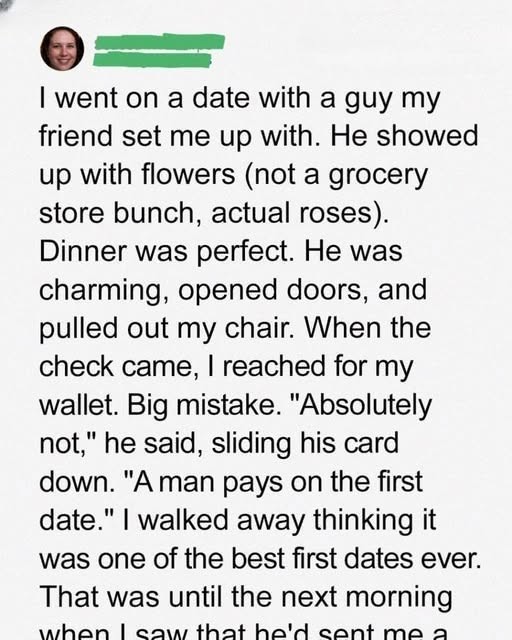
In the era of online dating, blind dates, and increasingly complex relationship dynamics, stories of awkward first dates or mismatched expectations have become commonplace. Yet, every now and then, a tale emerges that sheds new light on the evolving landscape of modern romance. One such story began with roses and ended with something far less expected: an invoice.
The Unusual Aftermath of a Romantic Date
After what seemed like an enchanting evening—filled with laughter, thoughtful gestures, and the time-honored traditions of dinner and flowers—a woman awoke the next morning expecting to reflect on a pleasant memory. Instead, she discovered a meticulously itemized bill in her email inbox. The digital document detailed the previous night’s expenditures, charging not only for dinner and flowers but also something ambiguously labeled as “emotional labor.”
For the woman, the reality of the message struck almost as a punchline to an ill-timed joke. Where she anticipated warmth and gratitude, she was confronted with a business-like demand for repayment, transforming the spirit of generosity into an unsettling sense of obligation.
Friendship, Wit, and the Power of Response
Rather than internalizing guilt or embarrassment, the woman chose to share her experience with friends. Their collective reactions ranged from shock to laughter, mirroring the broader public’s response to similar stories circulating on social media in recent years. Eventually, the group opted for a creative response: they drafted a humorous invoice of their own, listing the time, emotional support, and mental energy spent enduring the unusual situation.
Their reply was both a playful rebuke and a pointed critique of the transactional attitude her date had displayed. However, rather than appreciating the humor or engaging in self-reflection, the man became defensive and angered. Unwilling to accept a challenge to his actions, he instead doubled down, underscoring the importance of setting and respecting personal boundaries in any relationship.
Understanding Generosity, Obligation, and Healthy Boundaries
This episode underscores a critical theme in contemporary dating: the difference between generosity and expectation. Dating norms have long been shaped by cultural, social, and gender-based expectations—who pays for the date, what constitutes a meaningful gesture, and where the line is drawn between affection and obligation. However, evolving societal values emphasize authenticity and open communication over outdated transactional models of interaction.
Experts on relationship dynamics, such as psychologists and sociologists, reiterate that genuine generosity is rooted in the desire to give without expecting anything in return. Dr. Helen Fisher, an anthropologist specializing in human relationships, notes, “True kindness in romantic contexts arises from empathy and hope, not from seeking reimbursement or creating a debt.” When giving comes with strings attached, the gesture loses its sincerity, and the relationship becomes burdened with implicit contracts instead of mutual respect.
The Rise of Transactional Dating: Social Context and Reactions
While this story is unique in its details, it’s far from unprecedented. The advent of dating apps and digital communications has changed not only how people meet but also how they manage expectations. Stories of Venmo requests after subpar dates or itemized bills for outings have sporadically surfaced on forums like Reddit, sparking debates across Twitter, Instagram, and news outlets. Many argue that such actions reflect a misunderstanding of what it means to build genuine connections.
Public reaction to these anecdotes often leans toward incredulity, ridicule, or, at times, pointed criticism. Media commentators and advice columnists generally agree that while splitting costs or being transparent about finances is healthy, retroactively billing someone for a shared experience turns personal moments into financial transactions. This, in turn, erodes the foundation of trust and emotional intimacy necessary for any relationship to thrive.
Why Intentions Matter: The Psychology Behind Giving and Receiving
At the heart of this incident lies a universal question: what do we owe one another in romantic interactions? Are acts of kindness—such as buying dinner or flowers—truly gifts if they carry hidden expectations?
Behavioral experts explain that reciprocal giving is natural in relationships; we often feel good when we can provide for or surprise our partners. However, when gestures are made with the intention of ensuring a return, disappointment and resentment often follow if those expectations are unmet. A 2019 study published in the journal Personal Relationships found that couples who maintain a competitive or tit-for-tat approach to giving and receiving tend to report lower relationship satisfaction over time.
The lesson is clear: generosity thrives in environments of mutual respect and understanding, not in climates shaped by implicit IOUs.
Red Flags and the Importance of Walking Away
For the woman in this story, the decision to walk away from further engagement was not just about self-respect but about prioritizing emotional well-being. Her experience serves as a powerful reminder that red flags do not always appear immediately. Sometimes, they surface after the charming veneer has faded and true motives are revealed.
Relationship counselors advise individuals to pay close attention to how potential partners respond when challenged or questioned. Defensive or angry reactions to reasonable boundaries or humor, as seen in this account, often signal deeper issues around entitlement and respect.
By refusing to accept guilt or continue a fruitless exchange, the woman ensured that her self-worth remained intact. In doing so, she also illustrated a key principle of modern dating: it is not only acceptable but necessary to protect one’s emotional boundaries and to disengage from situations that compromise personal values.
Romantic Norms and Global Perspectives
The concept of dating expectations, generosity, and obligation varies across cultures and societies. In many Western nations, splitting bills or alternating who pays for outings has increasingly become the norm, replacing once-rigid courtship conventions. Yet, debates over who should pay, and why, persist globally, often influenced by economic circumstances, societal shifts, and generational attitudes.
Internationally, some cultures emphasize communal spending or gifting in early relationship stages, while others treat courtship as a more ritualized process with clear roles and responsibilities. Nevertheless, the consensus among relationship experts is that open communication, shared expectations, and a willingness to discuss boundaries up front can prevent misunderstandings like the one described in this narrative.
The Broader Implications: Trust, Communication, and Self-Respect
At its core, the story of roses and invoices is about more than an unusual date. It is a window into broader discussions about the importance of trust, transparency, and fostering kindness for its own sake. Romantic gestures, large and small, are meaningful when freely given and genuinely received.
The episode invites all involved in modern dating—and indeed, all forms of interpersonal relationships—to consider how they communicate expectations and define their own boundaries. It also highlights the importance of resilience and humor when confronted with the unexpected.
Concluding Reflections: Lessons for Modern Relationships
For the woman at the center of this story, the unwelcome invoice marked both an ending and a beginning. Instead of allowing the incident to tarnish her outlook, she transformed it into a valuable lesson and a source of laughter among friends. Her willingness to disengage from an unhealthy situation exemplifies self-awareness and strength—key ingredients for healthy relationships at any stage.
Ultimately, the episode reminds readers that the most meaningful connections are built on honesty, generosity without expectation, and the courage to walk away when those principles are not respected. The roses may not have lasted, but the understanding gained from the experience will inform future connections built on mutual kindness, clear communication, and genuine respect.
Sources
Disclaimer: This content is intended for entertainment purposes only and is not based on real events.
