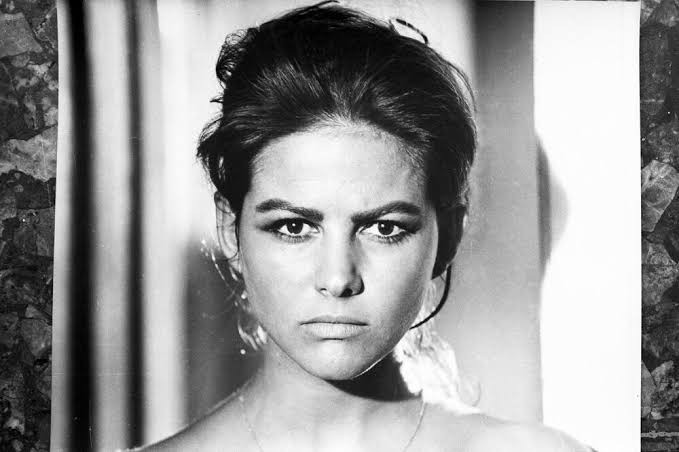

There are some film stars whose presence remains unforgettable long after their most famous movies have left the big screen. Claudia Cardinale was one of them. With her expressive eyes, distinctive voice, natural elegance, and remarkable screen presence, she became one of the most recognizable actresses of European cinema.
Audiences remember her alongside legendary performers such as Marcello Mastroianni, Alain Delon, and Jean-Paul Belmondo. Yet Cardinale’s legacy was never simply about beauty. She built a remarkable career through memorable performances, collaborations with influential directors, and a determination to follow her own path in the film industry.
Born in Tunis in 1938 to a Sicilian family, Cardinale rose to international fame during the late 1950s and 1960s. She went on to appear in celebrated films such as 8½, The Leopard, The Pink Panther, and Once Upon a Time in the West. Her career spanned decades, leaving behind a legacy that continues to attract film lovers around the world. Source: The Guardian
Who Was Claudia Cardinale?
Claudia Cardinale, born Claude Joséphine Rose Cardinale on April 15, 1938, in Tunis, Tunisia, became one of the defining actresses of Italian and international cinema.
Although she grew up in North Africa, her family had Sicilian roots. Her early life was far removed from the glamorous world of movie premieres and international fame. Her entry into cinema began after she won a beauty contest in Tunis, earning an opportunity to attend the Venice Film Festival.
That experience opened the door to the Italian film industry. Cardinale soon attracted attention for her striking appearance and natural screen presence, but her career developed into much more than a story of a young woman becoming famous for her looks.
She worked with some of the most respected filmmakers of her generation and demonstrated an ability to move between drama, comedy, adventure, and historical cinema.
The Beauty That Captivated Movie Audiences
During the golden age of European cinema, Claudia Cardinale stood out for a beauty that felt distinctive rather than manufactured. Her dark eyes, expressive face, and confident presence made her memorable on screen.
Unlike the carefully polished image often associated with movie stars, Cardinale brought a sense of individuality to many of her roles. She could appear graceful and mysterious in one film, then strong-willed and spirited in another.
Her appearance helped attract early attention, but her lasting popularity came from the combination of her looks, personality, and acting ability.
Today, photographs of Cardinale from her younger years continue to circulate among admirers of classic cinema. These images evoke an era when Italian and French films attracted international audiences with unforgettable stars and ambitious storytelling.
But the fascination with her appearance also raises a broader question: why do people continue to revisit photographs of actors from decades ago?
Part of the answer lies in nostalgia. For many viewers, classic movie stars represent not only a particular style of beauty but also cherished memories of films, music, fashion, and an earlier period in cinematic history.

Claudia Cardinale and Marcello Mastroianni: A Memorable Screen Partnership
One of the most important films in Cardinale’s career was Federico Fellini’s 8½, released in 1963.
The film starred Marcello Mastroianni as Guido Anselmi, a film director struggling with creative uncertainty and personal complications. Cardinale appeared as Claudia, a character associated with the director’s idealized vision of beauty and inspiration.
Their performances helped make the film one of the best-known works of European art cinema.
Although the story explores desire, imagination, and complicated relationships, the actors’ on-screen connection should not be confused with evidence of a real-life romance. Their collaboration is significant because of its artistic impact and the way Fellini used their performances to explore the inner world of his central character.
For audiences discovering 8½ today, Cardinale’s appearance offers a glimpse of the charisma that made her such a compelling screen presence.
Alain Delon and Claudia Cardinale in The Leopard
Another landmark in Cardinale’s career came with Luchino Visconti’s The Leopard (Il Gattopardo), released in 1963.
Set during the period of political and social change surrounding Italian unification, the film follows an aristocratic family confronting the decline of its traditional world.
Cardinale played Angelica Sedara, a young woman whose beauty and social ambition make her an important figure in the story. Alain Delon appeared as Tancredi Falconeri, while Burt Lancaster portrayed the Prince of Salina.
The film became celebrated for its sumptuous costumes, grand settings, and thoughtful examination of class, power, and change.
Cardinale’s performance demonstrated that she could do more than command attention through her appearance. She brought vitality and complexity to a character navigating the expectations of an evolving society.
Her work in The Leopard remains one of the reasons her name continues to appear in discussions of classic Italian cinema.
Jean-Paul Belmondo and the Adventure of Cartouche
Cardinale also shared the screen with Jean-Paul Belmondo in Cartouche, a French adventure film released in 1962.
Belmondo was known for his energetic performances, rebellious charm, and willingness to embrace physically demanding roles. Cardinale brought her own spirited presence to the film, helping create an engaging partnership within its historical adventure setting.
The film contributed to her growing international recognition and demonstrated her versatility across different European film industries.
Working with celebrated actors did not define Cardinale’s career on its own, but these collaborations placed her among the most prominent performers of her generation.
Her success reflected a period when Italian and French cinema were enjoying enormous artistic influence, producing films that reached audiences far beyond their home countries.
From The Pink Panther to Once Upon a Time in the West
Cardinale’s filmography included several productions that remain familiar to modern audiences.
In Blake Edwards’s The Pink Panther (1963), she appeared in a comedy that became part of a beloved film franchise. The movie introduced audiences to the comic adventures surrounding the fictional jewel thief and Inspector Clouseau.
Five years later, she took on a very different role in Sergio Leone’s Once Upon a Time in the West (1968).
In the Western, Cardinale played Jill McBain, a woman who arrives in a small frontier town and becomes central to a struggle involving land, ambition, and violence. Her character is not merely a figure to be admired; she is a determined woman whose choices help shape the story.
The film is now widely regarded as one of the defining works of the Spaghetti Western genre. Its sweeping landscapes, memorable music, and deliberate pacing helped establish its enduring reputation.
Cardinale’s performance gave the film an emotional center and demonstrated her ability to hold her own within a story dominated by powerful personalities.
How Claudia Cardinale’s Appearance Changed With Age
As photographs of Claudia Cardinale from different periods of her life circulate online, some viewers are struck by the differences between her youthful appearance and her later years.
That contrast is natural. Aging changes the skin, facial contours, hair, and overall appearance of every person. Actors, whose younger images may be preserved in famous films and publicity photographs, can face particularly intense public scrutiny because audiences often associate them with the age at which they first became famous.
Yet comparing photographs from different decades can create an incomplete picture. Lighting, makeup, camera lenses, image quality, and photographic editing all influence how a person looks.
More importantly, aging does not erase a person’s achievements or diminish the significance of a lifetime of creative work.
Cardinale’s later photographs offer a reminder that the woman remembered from classic films was a real person whose life continued beyond her most celebrated roles. Her legacy deserves to be considered in the context of her entire career rather than through a comparison of facial features across time.
A Career That Went Far Beyond Beauty
Cardinale appeared in more than 100 film and television productions over the course of her career, working with directors including Federico Fellini, Luchino Visconti, and Sergio Leone.
She also continued acting in later decades, taking on roles that differed significantly from the characters that first brought her international fame.
In 1993, she received the Golden Lion for Lifetime Achievement at the Venice Film Festival, an important recognition of her contribution to cinema. She also became involved in public advocacy, including work connected with women’s rights through UNESCO.
These accomplishments reveal a broader story than the familiar image of a beautiful young actress. Cardinale was a professional performer whose career evolved across changing cinematic styles, generations of filmmakers, and different countries.
Her influence can be seen in the continued interest in the films she made and in the enduring place of European cinema in film history.
Remembering Claudia Cardinale’s Lasting Legacy
Claudia Cardinale died on September 23, 2025, at the age of 87. Her death prompted tributes recalling her work in The Leopard, 8½, The Pink Panther, and Once Upon a Time in the West. Source: Associated Press
For admirers, her passing marked the loss of one of the major figures associated with the golden age of European cinema.
Her films, however, remain available to new generations of viewers. Each time someone discovers her performance in a classic movie, they encounter more than an image from the past. They discover an actress who helped shape some of the most memorable cinematic works of her era.
Her story also offers a valuable reminder about fame and aging. Public attention often begins with appearance, but lasting recognition comes from what a person contributes over a lifetime.
Claudia Cardinale’s beauty made her famous, but her performances, artistic collaborations, and enduring influence made her a legend.
Conclusion
Claudia Cardinale remains an unforgettable name in the history of Italian and international cinema. From her early rise to fame to her acclaimed performances in 8½, The Leopard, and Once Upon a Time in the West, she built a career that reached far beyond the glamour of the silver screen.
Photographs of her younger years may inspire nostalgia, while later images remind us of the natural passage of time. Neither tells the whole story on its own.
Her true legacy lives in the films she made, the characters she brought to life, and the generations of viewers who continue to discover her work.
Rather than asking whether an aging star still looks the same as she did decades ago, perhaps the more meaningful question is this: Which of Claudia Cardinale’s performances will you remember most?
