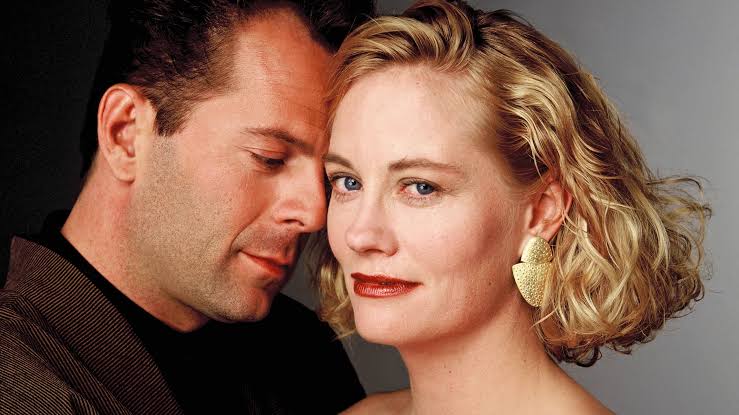

In the mid-1980s, the landscape of television was forever altered by a sharp, witty, and profoundly charismatic detective series called Moonlighting. At the center of this cultural phenomenon were two actors whose electric chemistry seemed to leap straight off the screen and into the living rooms of millions. Cybill Shepherd, the poised and elegant former fashion model, played the sophisticated Maddie Hayes, while a then-unknown Bruce Willis portrayed the wisecracking, chaotic David Addison. They argued, they teased, and they solved crimes, all while maintaining a simmering tension that kept audiences captivated. To the public, it felt inevitable that their on-screen romance would spill over into reality.
Decades have passed since the neon lights of the Blue Moon Detective Agency dimmed, yet the curiosity surrounding Cybill Shepherd and Bruce Willis remains as potent as ever. Now seventy-six years old, Shepherd recently offered an intimate look back at that transformative era, providing clarity on a dynamic that fueled countless headlines for over thirty years. Her reflections reveal a narrative far more nuanced than the tabloid rumors of the past, highlighting the complexities of working relationships, the pressures of sudden fame, and the eventual grace of reconciliation.
The Golden Era of On-Screen Chemistry
To understand the magnitude of the connection between Shepherd and Willis, one must look at the cultural environment of 1985. Television was undergoing a shift, moving away from traditional formulas toward character-driven narratives that blended genres. Moonlighting was a pioneer of this movement, mixing screwball comedy, mystery, and raw romantic tension. Producers famously struggled to find the right actor to play David Addison, testing thousands of hopefuls until a young bartender-turned-actor named Bruce Willis walked into the room.
Shepherd later recalled that the moment Willis auditioned, the air in the room changed. There was an instant, undeniable spark—a raw, magnetic attraction that was both exhilarating and terrifying. This chemistry became the cornerstone of the show’s success. It was not merely an act; it was a reflection of a real-life connection that was growing alongside their fictional counterparts. However, the intensity of their attraction also became a source of friction. As the show progressed and Willis’s stardom skyrocketed following the success of Die Hard, the dynamic on set shifted. Long hours, competing public personas, and the natural evolution of their personal lives led to periods of intense discord. For years, the narrative was painted in shades of animosity, with public comments from both sides fueling the idea that they could barely stand to be in the same room.
Reframing the Past: An Honest Admission
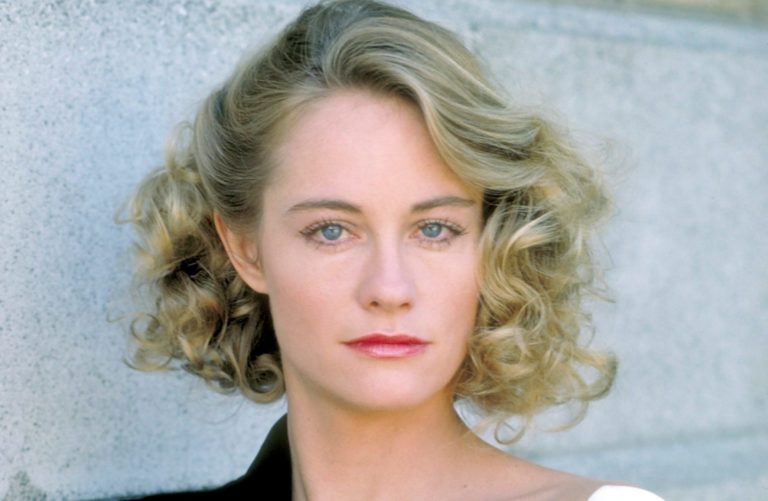
The most surprising element of Shepherd’s recent commentary is her absolute candor regarding her lack of regret. For thirty years, fans speculated about what might have happened if they had pursued a full-fledged relationship. Shepherd’s recent statements have effectively laid those daydreams to rest, not with bitterness, but with a grounded sense of peace. She openly acknowledges that she still views Willis as a “beautiful man” and holds a deep, enduring affection for him. Yet, she is firm in her belief that choosing not to act on their attraction back then was the correct decision.
This admission serves as a poignant reminder that hindsight often provides a clearer perspective on the choices that shaped our younger selves. By choosing to prioritize their professional partnership over a volatile romance, they managed to protect the integrity of the work that defined their careers. Shepherd’s willingness to speak so openly about this chapter of her life at seventy-six shows a level of self-assurance that only comes with time. It is a masterclass in how to honor the past without being defined or trapped by it.
The Beauty of Aging and a Life Reimagined
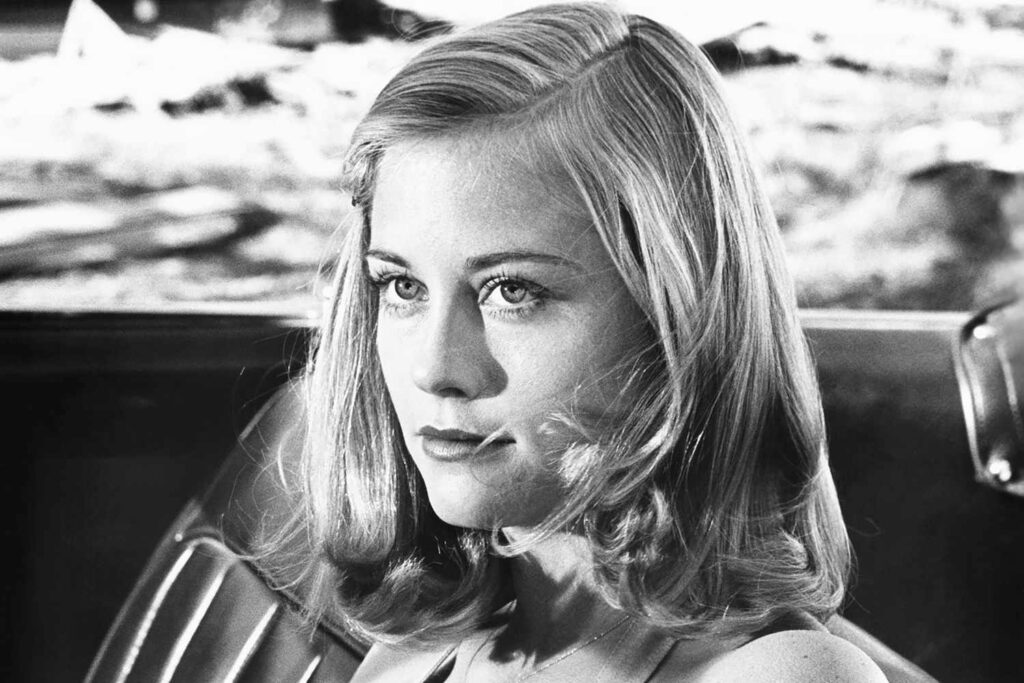
Beyond the romantic history, Shepherd’s recent rare public appearances have sparked a separate conversation about grace, aging, and authenticity in Hollywood. In an industry that often obsesses over youth, Shepherd has chosen a path of natural evolution. Her recent attendance at a high-profile industry event left onlookers captivated, not because she looked frozen in time, but because she exuded a vibrant, living energy.
Dressed in a stylish black turtleneck, a long, flowing jacket, and comfortable trousers, she looked entirely at ease with herself. Her signature bob hairstyle remained as sharp and iconic as ever, framing a face that wears its years with honesty. Observers noted that her skin retained a natural, healthy glow, free from the heavy intervention of cosmetic procedures that often homogenize features in the public eye.
This rare glimpse into her life highlights a quiet, deliberate shift. Shepherd has stepped away from the relentless pace of constant publicity, opting instead for a private life that prioritizes her own well-being and her family. Her infrequent appearances are not calculated PR moves, but rather authentic moments of engagement with a community she helped build. She has become an unintentional ambassador for aging well—not in the physical sense of defying time, but in the psychological sense of embracing the freedom that comes after the frantic race of one’s youth.
The Science of Long-Term Reconciliation
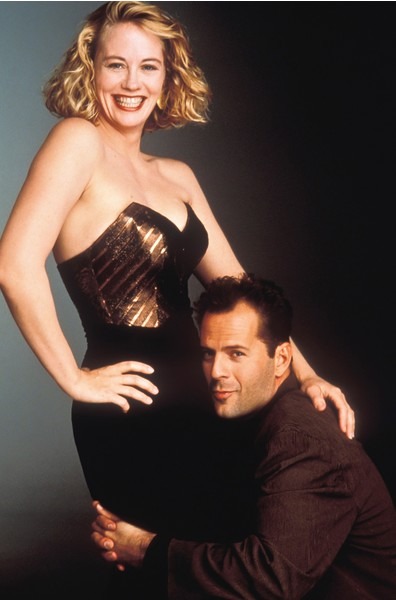
While cultural interest focuses on the romance, there is a deeper, more profound narrative at play: the psychological importance of making amends. In 2022, the world learned of Bruce Willis’s health challenges, beginning with a diagnosis of aphasia and later frontotemporal dementia. Before his condition deteriorated to a point where communication became impossible, Shepherd revealed that she and Willis were able to “mend fences.“
From a psychological perspective, this act of reconciliation is vital for long-term mental health. The human brain tends to hold onto unresolved conflicts, creating a loop of cognitive dissonance that can span decades. When individuals choose to release past grievances and forgive one another, it lowers cortisol levels, reduces chronic stress, and provides a sense of closure that is essential for emotional healing. Shepherd expressed immense gratitude for this resolution, noting that “it was time” to put the past to rest. This closure allowed them to look back at their shared history with fondness rather than regret.
The Neurobiology of Nostalgia and Connection
It is worth exploring why society remains so deeply attached to the connection between Shepherd and Willis. Neuroscientifically, nostalgia acts as a powerful emotional regulator. When we look back at a show like Moonlighting, our brains do not just recall the plot points; they retrieve the emotional context of that time in our lives. We associate their chemistry with our own youth, our own hopes, and the cultural optimism of the late 1980s.
When an actress like Shepherd speaks about her co-star with such warmth and honesty, it validates our collective memory. It bridges the gap between the fictional characters we loved and the real humans behind them. The brain’s mirror neurons, which fire both when we act and when we observe someone else acting, are deeply engaged here. We felt their tension because they projected it so vividly, and we feel their peace now because they are modeling it so beautifully. It is a shared emotional journey that spans generations.

A Universal Reflection on Human Curiosity
Ultimately, the enduring fascination with Cybill Shepherd and her history with Bruce Willis reveals a fundamental truth about human nature. Our collective curiosity is not merely driven by celebrity gossip or a desire to pry into private lives; it is rooted in a deep, empathetic desire to see stories resolved. We are narrative creatures who crave closure, growth, and the triumph of grace over bitterness.
We watch these journeys because they mirror our own. We all have chapters in our lives that ended abruptly, relationships that were left undefined, and moments where we wonder “what if.” Seeing Shepherd navigate this terrain with such elegance provides a blueprint for how we might handle our own pasts. She reminds us that the choices we make—even the difficult ones, like walking away from a spark to preserve a masterpiece—are valid.
The story of Cybill Shepherd at seventy-six is not a story of fading glory. It is a story of profound continuity. It is about a woman who has successfully integrated all the parts of her journey—the model, the actress, the romantic lead, and the private individual—into a cohesive, authentic whole. She stands as a testament to the idea that the most beautiful chapter of a life is the one where you finally stop performing for the world and start living entirely for yourself.
Sources
-
Academy of Television Arts & Sciences (Emmys): Historical data, nomination records, and archival interviews regarding the production and cultural impact of the series Moonlighting. (emmys.com)
-
The American Psychological Association (APA): Clinical research on the psychological benefits of late-life reconciliation, forgiveness, and the role of closure in healthy aging. (apa.org)
-
People Magazine Archives: Direct interview transcripts and editorial profiles detailing Cybill Shepherd’s reflections on her career, her stage show, and her past relationship with Bruce Willis. (people.com)
-
The Journal of Cognitive Neuroscience: Studies regarding the neurobiology of nostalgia, emotional memory consolidation, and how audiences process long-term parasocial relationships. (mitpressjournals.org/jocn)
