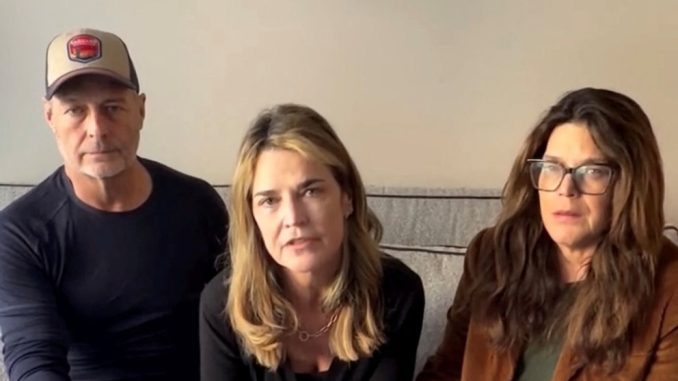

The quiet, saguaro-studded horizon of the Catalina Foothills has long been a sanctuary for those seeking a tranquil retirement under the Arizona sun. In this pocket of Tucson, where the desert air is cool and the neighborhood streets are hushed, the concept of a “locked-door mystery” usually belongs to the pages of a novel. However, on a chilly Saturday night in late January 2026, the silence of the foothills was broken by an event that has since captivated the nation. Nancy Guthrie, an 84-year-old woman known for her gentle demeanor and routine-driven life, stepped into her home after a pleasant evening with relatives, never to be seen again. What began as a simple welfare check the following morning has spiraled into one of the most technologically complex and emotionally heavy missing-persons investigations in modern Arizona history.
Humanity has an ancient, psychological need for the “sanctuary of the home.” Historically and culturally, the home is more than just a structure; it is a fortress of the psyche where we shed our public armor and rest. In folklore and modern storytelling alike, the “missing grandmother” is a narrative that strikes a deep chord of vulnerability. It disrupts our collective belief that age and a lifetime of hard work earn a person the right to a peaceful, uninterrupted evening. When a figure like Nancy Guthrie—someone with limited mobility and a reliance on daily medication—vanishes from within her own walls, it shatters the cultural myth of the “safe haven.”
This case has tapped into a modern anxiety: the idea that even our most fortified retirement communities are not immune to the unpredictable. The public fascination with Nancy’s story isn’t just about the mystery itself; it’s about a collective identification with her vulnerability. We see our own parents and grandparents in her. This cultural resonance has fueled a massive grassroots effort to keep her name in the headlines, transforming a local police matter into a national discourse on the safety of our elderly population and the changing nature of community security.

While the emotional heart of the case lies in Nancy’s disappearance, the investigative heart lies in the digital “breadcrumbs” she left behind. Modern forensic science has evolved far beyond physical evidence. In this investigation, the FBI and local authorities are navigating a sophisticated digital landscape where biometric data and smart-home technology provide a timeline more precise than any witness testimony.
Biometric Disconnection: One of the most striking scientific aspects of this case is the involvement of Nancy’s pacemaker app. From a medical-forensic perspective, a pacemaker is a biological witness. When the app disconnected shortly after the movement alerts at 1:47 a.m., it provided a physiological timestamp. Forensic digital analysts study these “pings” to understand the proximity of the patient to their device. The science of telemetry allows investigators to speculate on whether the device moved beyond the range of its home hub or if an external interference occurred.
Smart Home Architecture: The disconnection of the Ring doorbell camera is a focal point for digital forensics. This isn’t just a matter of “turning off a light.” Modern security cameras are part of an integrated ecosystem. Forensic experts analyze the “logs” of the router to see if the disconnection was caused by a physical snip of a wire, a software override, or a loss of power. The precision of the 1:47 a.m. timestamp allows law enforcement to cross-reference with cellular tower data in the area, looking for “pings” from unauthorized devices that may have been active in the vicinity at that exact moment.
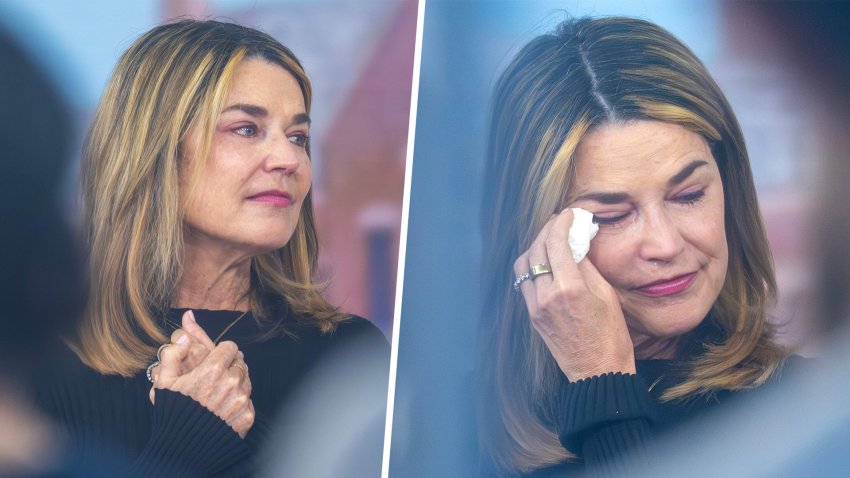
In the absence of a public suspect, the vacuum of information has been filled with speculation regarding the events of that Sunday morning. Extraordinary details, such as the reported ransom communications, remain unconfirmed by the FBI, yet they suggest a level of premeditation that is rare in missing-persons cases involving the elderly. There is significant speculation that the perpetrator may have had a sophisticated understanding of smart-home technology, specifically knowing how to disable the camera without triggering an immediate alarm.
Further speculation among digital safety experts suggests that the “movement alerts” received on the family’s shared app before the total blackout may have indicated the path taken through the house. If Nancy was indeed taken against her will, the logistics of moving a person with limited mobility through a desert terrain under the cover of night implies either a vehicle was used or there were multiple individuals involved. While these theories remain unverified by official channels, they form the basis of the “working theories” that investigators use to narrow down potential leads.
When a person vanishes, the psychological impact on the family and the community is profound. In clinical psychology, this is known as “ambiguous loss”—a state of grief without closure. The search for a “proof of life” becomes a scientific and emotional obsession. Investigators look for “signs of life” in various forms: financial activity, medication refills, or the aforementioned ransom notes.
From a behavioral science perspective, the lack of identified suspects in a high-profile case often points to a “closed-loop” scenario, where the individual responsible may have a connection to the area or the victim. Behavioral analysts from the FBI’s Quantico division often look for patterns of “organized vs. disorganized” behavior. The deliberate disconnection of the camera and the smartwatch remaining inside suggest an organized actor who understood the digital footprint Nancy carried. Conversely, the presence of physical evidence on the porch suggests a moment of struggle that was not entirely controlled, providing a rare physical link for DNA analysis.
Forensic science in Arizona must also account for the environment. The desert is both a preserver and a destroyer of evidence. In the search for Nancy, authorities have used thermal imaging and drones to survey the rugged terrain of the Catalina Foothills. The science of “scent evidence” is also crucial here; K9 units trained in human remains and “live scent” tracking must work against the dry, hot winds that can disperse scent molecules quickly.
Biologists and forensic specialists confirm that the blood found on the porch was indeed Nancy’s. This confirmation was a pivotal moment in the case, shifting the investigation from a “missing person” to a “potential criminal abduction.” The DNA extraction process—where scientists amplify small fragments of genetic material to create a profile—allows investigators to determine if any “touch DNA” from an unknown third party was present on the door handle or the smartwatch, potentially identifying an intruder.
As the investigation enters its fourth month, the community of the Catalina Foothills remains on high alert. This case has prompted a massive re-evaluation of home security among the elderly. Neighbors are no longer relying solely on digital cameras; there is a return to “community policing,” where residents look out for one another in a more traditional sense. The reward offered for information remains a beacon of hope for a family that refuses to let Nancy’s story fade.
Law enforcement continues to gather evidence, focusing on the “dark spots” of the digital timeline. The FBI’s involvement ensures that resources like satellite imagery and advanced cyber-forensics are at play. Despite the lack of confirmed “proof of life,” the case is very much active. Every tip is vetted, and every digital ping is re-analyzed. The hope is that a single piece of evidence—perhaps a dashcam video from a neighbor or a overlooked cellular signal—will finally unlock the door to Nancy’s whereabouts.
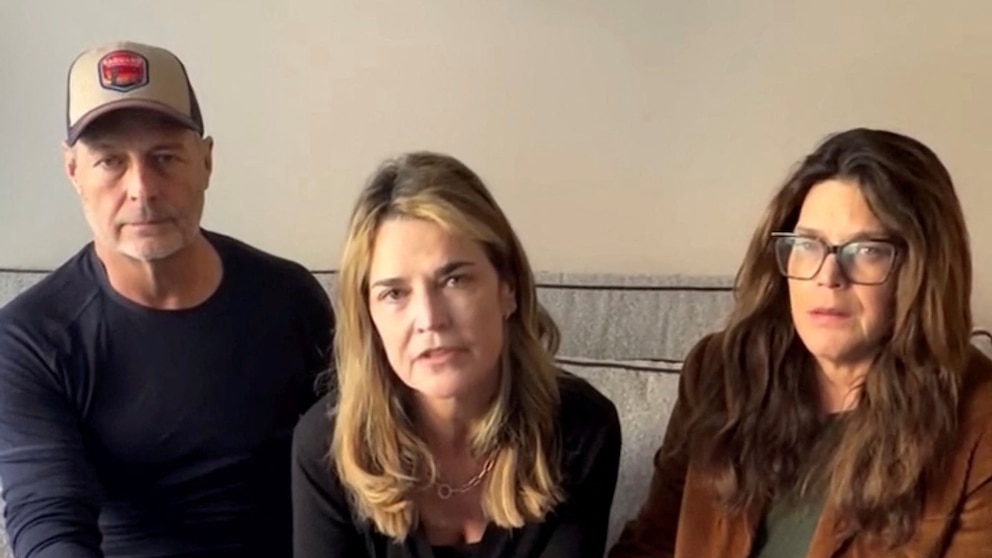
The disappearance of Nancy Guthrie is a stark reminder of the complexities of life in the digital age. Our curiosity about such cases is not merely a search for a “solution,” but a reflection of our deep-seated need for order and justice. We follow the clues because we want to believe that the world is a place where a grandmother can go to sleep safely in her own home. We are drawn to the science of the pacemaker and the digital logs because they represent our human attempt to quantify the unknown and shine a light into the shadows.
Ultimately, the search for Nancy is a testament to the value of a single human life. The massive mobilization of resources, the national attention, and the tireless work of investigators all speak to a fundamental truth: we do not let our neighbors vanish without a fight. Our curiosity is fueled by empathy, and as long as there are unanswered questions, the collective voice of the public will continue to ask them, holding onto the hope that the quiet streets of the Catalina Foothills will one day offer up the answers the Guthrie family so desperately seeks.
-
Federal Bureau of Investigation (FBI): “Missing Persons – Nancy Guthrie Case Summary.” (2026).
-
Arizona Department of Public Safety: “Digital Forensics in Elderly Abduction Cases.”
-
Journal of Forensic Sciences: “The Role of Biometric Device Telemetry in Criminal Investigations.”
-
Tucson Police Department: “Catalina Foothills Investigation Update and Community Safety Report.” (2026).
-
The New York Times: “The Locked-Door Mystery of the Digital Age: The Search for Nancy Guthrie.”
-
National Institute on Aging: “Safety and Security for Seniors Living Independently.”
