

There are few figures in music history as influential as Waylon Jennings. A cornerstone of the “Outlaw Country” movement, Jennings transitioned from a protégé of rock ‘n’ roll royalty to a rebellious icon who redefined the Nashville establishment. His journey was defined by artistic uncompromisingness, personal struggles, and a final, triumphant reclamation of his health and career.
Early Life and the Origins of “Waylon”
Born on June 15, 1937, on the J.W. Bittner farm near Littlefield, Texas, Waylon Arnold Jennings was the son of William Albert Jennings and Lorene Dorothy Shipley. While Jennings often spoke of his mixed heritage—citing Cherokee, Comanche, Irish, and “Black-Dutch” roots—he was most deeply shaped by the hard-working agricultural environment of West Texas.
The name “Waylon” itself was a point of early contention. Initially named Wayland, his father changed it to Waylon to avoid confusion with a local university. Jennings famously remarked in his autobiography:
“It sounded so corny and hillbilly, but it’s been good to me, and I’m pretty well at peace with it now.”
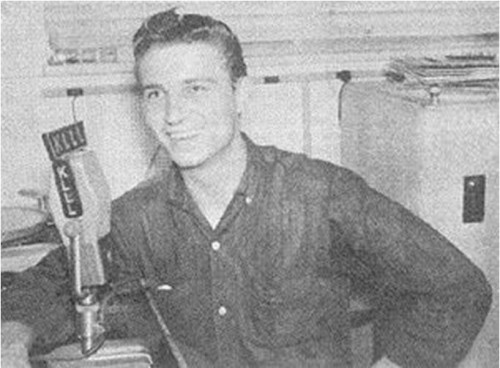
His musical education began at age eight when his mother taught him his first chords on a guitar. By age 12, he was performing on local radio stations, and by 16, he had left high school to pursue music and radio full-time, working as a DJ in Lubbock.
The Buddy Holly Connection and “The Day the Music Died”
In Lubbock, Jennings befriended Buddy Holly, who became his mentor and produced his first professional recording, “Jole Blon,” in 1958. When Holly formed a new band for the 1959 “Winter Dance Party” tour, he hired Jennings to play bass.
On the night of February 3, 1959, a twist of fate saved Jennings’ life. Seeking to help a flu-stricken J.P. “The Big Bopper” Richardson, Jennings gave up his seat on the chartered flight. When Holly learned Jennings wasn’t flying, he jokingly told him, “I hope your ol’ bus freezes up,” to which Jennings replied, “Well, I hope your ol’ plane crashes.”
The plane did crash, killing Holly, Richardson, and Ritchie Valens. This moment haunted Jennings for decades, leading to a period of deep grief and a brief hiatus from performing before he eventually relocated to Phoenix, Arizona.
The Rise of Outlaw Country
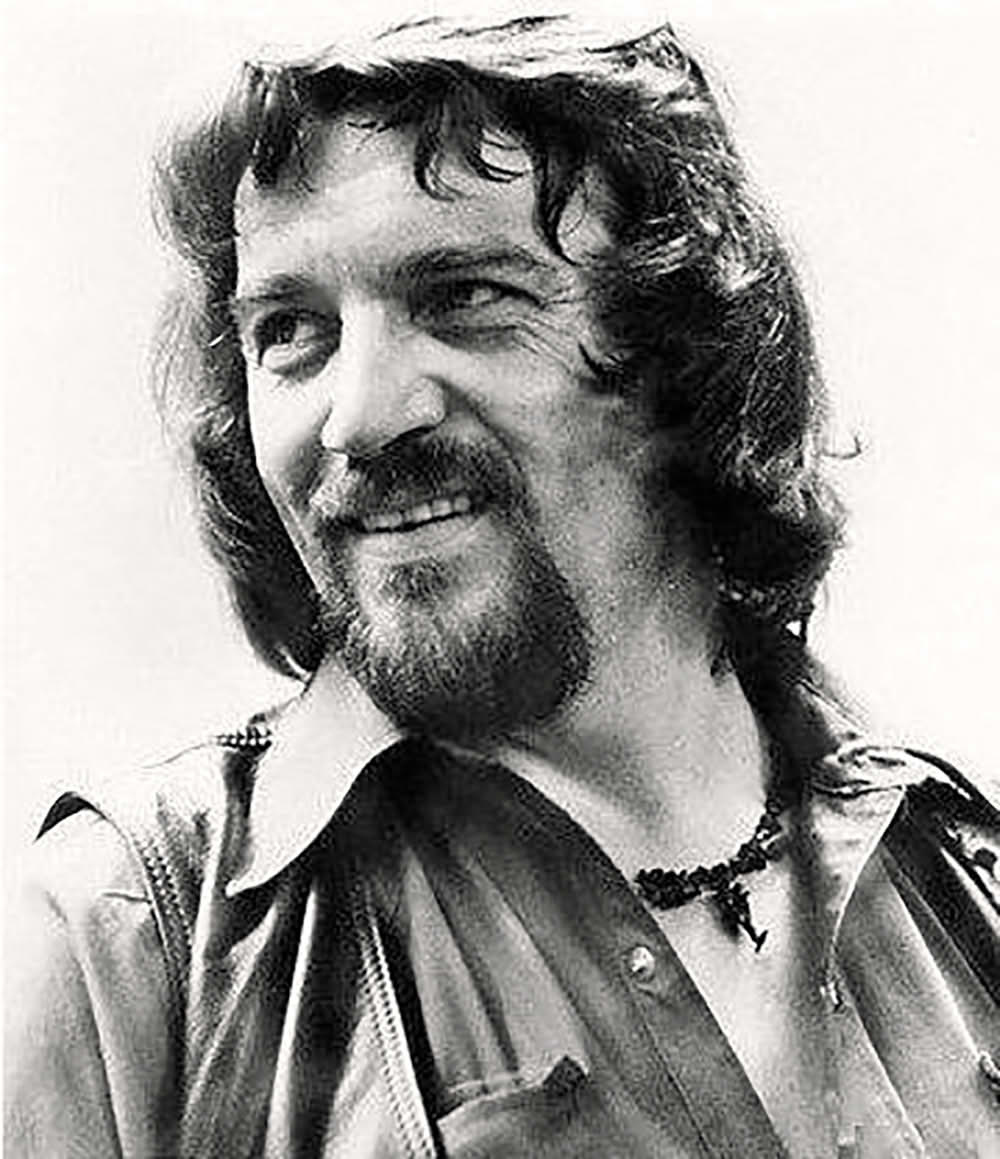
In the mid-1960s, Jennings signed with RCA Victor and moved to Nashville under the guidance of legendary producer Chet Atkins. Despite early success, Jennings grew frustrated with the “Nashville Sound”—a polished, orchestral production style that stripped away the grit of his live performances.
During this era, he briefly shared an apartment with Johnny Cash. Their friendship was legendary, but it also immersed Jennings in the “pill culture” prevalent in the industry at the time. Jennings later noted that amphetamines were often used as “artificial energy” to keep up with the grueling demands of touring and recording.
By the early 1970s, Jennings demanded creative control. Alongside Willie Nelson, Jessie Colter, and Tompall Glaser, he spearheaded the Outlaw Country movement. This culminated in the 1976 landmark album Wanted! The Outlaws, which became the first country music album to be certified platinum, selling over one million copies.
Battle with Addiction and Financial Hardship
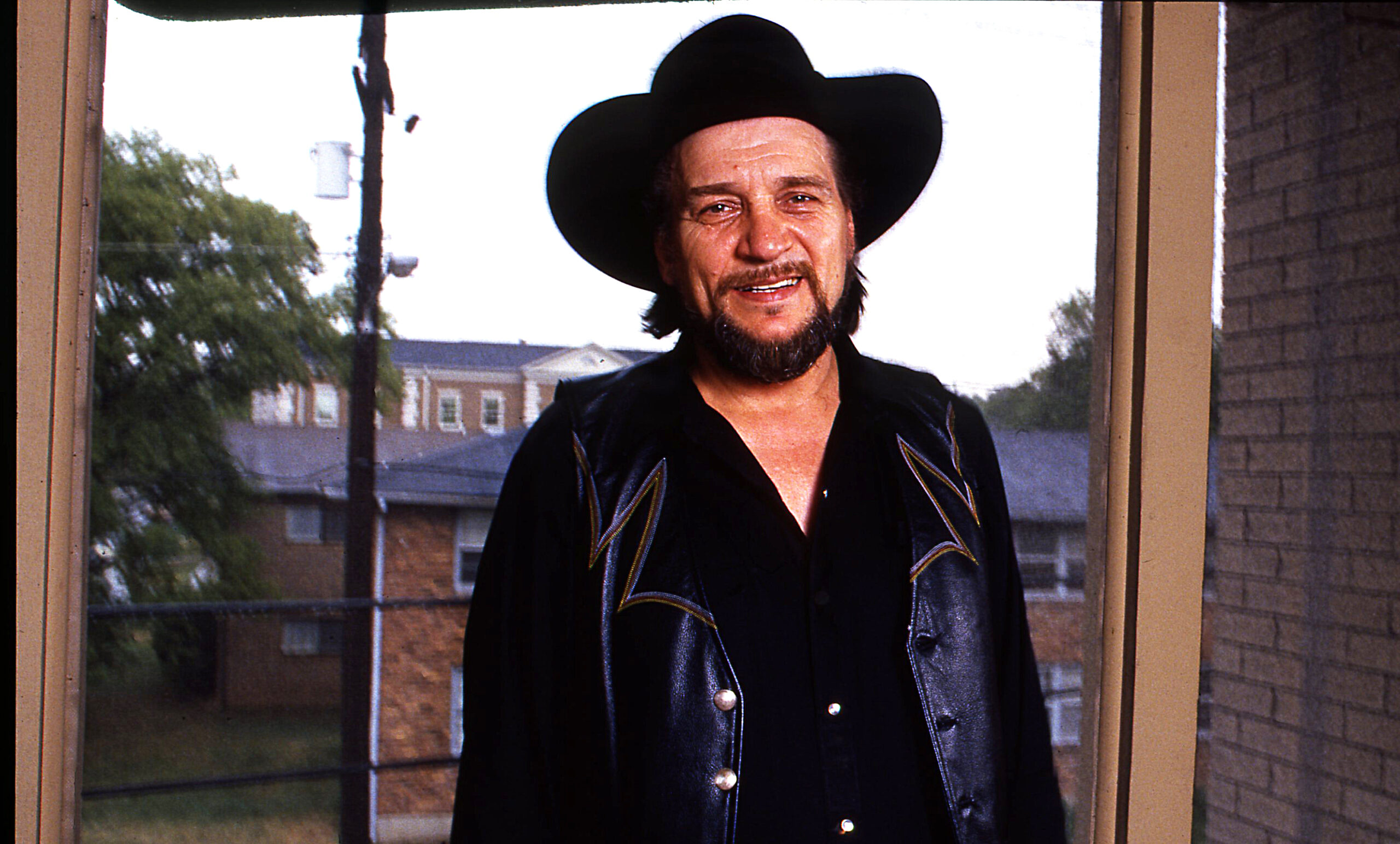
The “Outlaw” lifestyle eventually took a physical and financial toll. By the late 1970s, Jennings had developed a severe cocaine addiction. At its peak, he reportedly spent approximately $1,500 a day on the drug, contributing to a personal debt that reached an estimated $2.5 million.
The addiction impacted his vocal quality and his reliability on stage. However, motivated by his marriage to Jessi Colter and the birth of their son, Shooter Jennings, Waylon successfully underwent a “cold turkey” detox in 1984. He remained sober for the remainder of his life, becoming an advocate for recovery within the music industry.
The Supergroup Era and Later Career
In 1985, Jennings joined forces with Johnny Cash, Willie Nelson, and Kris Kristofferson to form The Highwaymen. The supergroup released three albums and performed worldwide, cementing Jennings’ status as a global icon.
Throughout the 1990s, Jennings continued to record critically acclaimed work, such as the Right for the Time album. In 2001, he was rightfully inducted into the Country Music Hall of Fame. In typical rebellious fashion, he did not attend the ceremony, stating that the honor should be about the music rather than the industry accolades.

Health Challenges and Final Years
Decades of heavy smoking and the long-term effects of his previous lifestyle led to significant health complications in his later years. Jennings suffered from Type 2 diabetes, which severely limited his mobility and eventually necessitated the amputation of his left foot in late 2001.
On February 13, 2002, Waylon Jennings passed away in his sleep at his home in Chandler, Arizona, at age 64.
Waylon Jennings’ legacy is not defined by his struggles, but by his victory over them. He stripped away the artifice of the recording industry to reveal the “honky-tonk hero” underneath, ensuring that country music remained raw, honest, and soul-stirring for generations to come.
