

The performing arts community is honoring the life and legacy of Jane Lapotaire, a respected British actress whose work across theatre, television, and film spanned several decades. Her passing on March 5 at the age of 81 was confirmed by the Royal Shakespeare Company, marking the end of a remarkable career defined by versatility, dedication, and artistic excellence.
Lapotaire’s contributions to the arts—particularly in classical theatre—earned her widespread recognition both in the United Kingdom and internationally. She was known for her ability to portray complex historical and literary figures with depth and authenticity.
Early Life and Background
Jane Lapotaire was born Jane Burgess in Ipswich, England, in December 1944. According to publicly available biographical records, her early life included time spent in foster care after being adopted as an infant. These formative experiences later informed her perspective as an artist and were reflected in her autobiographical writing.
Her path to acting began in the 1960s, during a period when British theatre was undergoing significant change, with new companies and experimental approaches reshaping the performing arts landscape.

Early Career and Theatre Foundations
Lapotaire began her professional acting career in 1965 at the Bristol Old Vic, one of the United Kingdom’s most respected training grounds for actors. Her early performances helped establish her reputation as a serious and committed performer.
She later became associated with the Young Vic, which was founded in the late 1960s with a mission to make theatre more accessible to wider audiences. The Young Vic quickly became known for innovative productions and for nurturing emerging talent.
In 1974, Lapotaire joined the Royal Shakespeare Company, a major milestone in her career. The company is internationally recognized for its productions of works by William Shakespeare and other classical playwrights. Her involvement with the organization allowed her to take on a wide range of challenging roles and collaborate with leading figures in British theatre.

Breakthrough Roles and International Recognition
Lapotaire gained significant recognition for her portrayal of Marie Curie in a 1977 stage production. Her performance demonstrated her ability to bring historical figures to life with nuance and emotional depth.
Another defining moment in her career came with her portrayal of Edith Piaf in the stage production Piaf. Her performance earned critical acclaim and led to a prestigious Tony Award for Best Actress, one of the highest honors in theatre. This achievement solidified her reputation on the international stage.
Her work in these productions showcased her range, from portraying scientific pioneers to iconic cultural figures, and contributed to her enduring influence in the performing arts.
Television and Film Contributions
In addition to her stage work, Jane Lapotaire appeared in a variety of television and film productions. Her screen roles complemented her theatre career and introduced her to a broader audience.
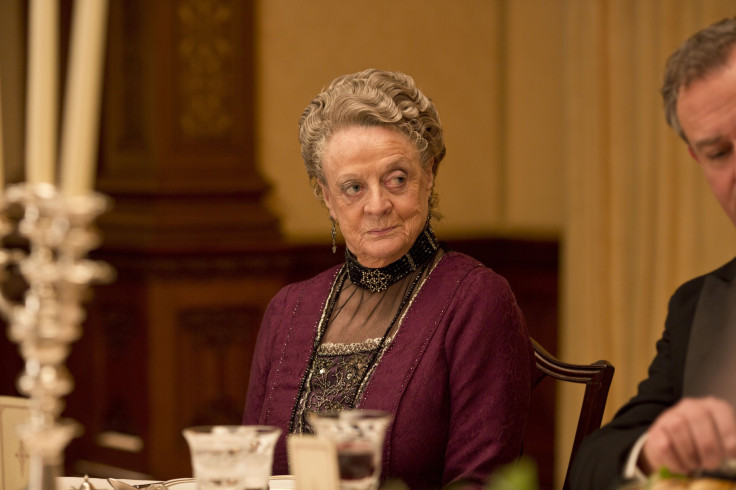
She was associated with notable British television productions, including appearances connected to series such as The Crown and Downton Abbey. These series are widely recognized for their portrayal of British history and society, and her involvement reflects her continued relevance in modern screen acting.
Her television work demonstrated her adaptability as an actress, successfully transitioning between stage and screen while maintaining a consistent standard of performance.
Personal Challenges and Resilience
In 2000, Lapotaire experienced a serious health challenge when she suffered a cerebral hemorrhage. According to publicly documented accounts, this event had a significant impact on her life and career.
Despite this setback, she remained connected to the arts. Her experience was later reflected in her writing, where she explored themes of recovery, identity, and resilience. Her ability to continue contributing creatively after such a major health event has been widely recognized as an example of personal strength.
Honors and Recognition
Throughout her career, Jane Lapotaire received numerous accolades acknowledging her contributions to theatre and the arts. Among these honors was her appointment as a Commander of the Order of the British Empire (CBE), a distinction awarded for significant achievements and service to the arts in the United Kingdom.
The CBE is part of the British honors system and is granted to individuals who have made a notable impact in their field. Lapotaire’s recognition reflects the high regard in which she was held by both peers and institutions.

Family and Legacy
Jane Lapotaire is survived by her son, Rowan Joffe, who has built a career in film as a screenwriter and director. Her family connections to the creative industries further highlight the artistic legacy she leaves behind.
Her influence extends beyond her performances. Through her work in theatre, television, and writing, she contributed to shaping modern interpretations of historical and literary figures. Her performances continue to be studied and appreciated by actors, directors, and audiences alike.
Impact on the Performing Arts
Lapotaire’s career reflects the evolution of British theatre over several decades. From her early work at the Bristol Old Vic to her achievements with the Royal Shakespeare Company, she was part of a generation of actors who helped bring classical theatre to wider audiences.
Her success on both sides of the Atlantic, particularly her Tony Award win, underscores the global reach of her work. By portraying complex characters with authenticity, she set a standard for performance that continues to influence contemporary acting.
Organizations such as the Royal Shakespeare Company have highlighted her contributions as part of their recognition of her passing, emphasizing her role in advancing theatrical excellence.
Remembering a Distinguished Career
The passing of Jane Lapotaire marks the loss of a respected figure in the performing arts. Her career, spanning more than five decades, reflects a commitment to storytelling, artistic integrity, and professional excellence.
As tributes continue from theatre companies, colleagues, and audiences, her legacy remains firmly established through her body of work. From award-winning stage performances to memorable television appearances, she leaves behind a record of achievement that continues to inspire.

Conclusion
Jane Lapotaire’s life and career represent a significant chapter in British and international theatre. Her achievements—from early stage roles to major awards and national honors—demonstrate the lasting impact of her work.
While her passing has been met with sadness across the arts community, her contributions endure through the performances and productions that defined her career. For audiences and aspiring actors alike, her legacy serves as a reminder of the enduring power of theatre and storytelling.
