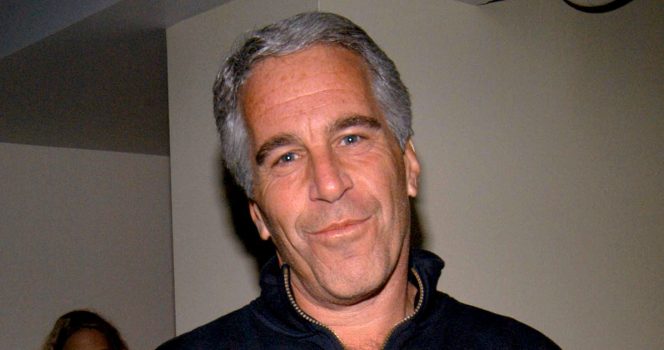

All of the notorious Jeffrey Epstein files are now public — and among the documents are mentions of some of the world’s biggest music stars.
But being named in the files does not mean anyone is guilty or involved in wrongdoing.
In a February 14 update to Congress, United States attorney general Pam Bondi shared a definitive list of 305 high-profile individuals, spanning politicians, celebrities, and cultural icons. The disclosure comes as part of the administration’s effort to comply with the Epstein Files Transparency Act.
Appearing on the list — or even being mentioned in the documents — does not indicate guilt or wrongdoing. The DOJ stressed that the names included are simply those referenced at least once in the massive trove of records.
Music legends named in the Epstein files
Among the 305 names are some of the world’s most famous musicians. And the list spans multiple eras and genres, from rock legends to pop icons.
The Beatles
The Beatles appear multiple times throughout the archive, mostly in press releases and saved news items. Epstein also discussed the band in emails with associates and received Beatles-related gifts.
Barbara Streisand
Barbra Streisand appears in the Epstein files in a few instances. She is mentioned in some emails but had no direct contact with Epstein.
Beyoncé
Superstar Beyonce is mentioned multiple times in the Epstein files, including discussions about whether to purchase tickets to her concerts.
One email from Lesley Gorff to Epstein reads:
“******* want to go see Beyonce Oct. 7th. Right now I can grab Section 8, Row 3, seats 4-6 for $355.00 each.
Or I can get Sec. 5, Row I, seats 1-3 for $1,745 each… I guess the question is…how much should I spend per ticket on Ticketrnaster.com?”
Billy Joel
Billy Joel is referenced in emails about benefit concerts and performance arrangements.
Bon Jovi
Bon Jovi shows up in connection with the 12-12-12 benefit concert lineup.
Bono
Bono is frequently mentioned, particularly regarding the ONE Campaign and his activism. Epstein even emailed Ghislaine Maxwell about a story involving Bono and Mick Jagger, writing that he “loved your Bono Mick story.” Other emails reference symposium invitations and Davos-related events.
Bruce Springsteen
Springsteen is included in event and social correspondence, including mentions tied to benefit concerts and exclusive gatherings. Epstein also noted seeing him among a broader list of performers he followed.
Freddie Mercury
The late Queen singer appears through press materials, such as bios and media links.
David Bowie
Bowie is referenced in press releases and related archival content.
Cher
Cher’s name appears in the Epstein files list released in 2026.
Courtney Love
The files show Epstein appeared to follow Cobain’s widow, Courtney Love, on Twitter.
Creedence Clearwater Revival
The band is included through general media items and archived promotional materials.
Eric Clapton
Clapton appears in the same benefit concert context.
Dolly Parton
In one email, Jeffrey Epstein responds to a joke sent to him about Dolly Parton and The Queen. Epstein replied, “Very funny.”

Elton John
Elton John is referenced in emails related to his AIDS foundation and Oscars events. Entertainment publicist Peggy Siegal also mentioned an AIDS fundraiser hosted by John where she saw Mick Jagger.
Elvis Costello
Costello is included through press releases and biography-style documents.
Elvis Presley
Presley is mentioned in a business pitch email for a content creation company, referencing the 2002 compilation Elvis: 30 #1 Hits as a case study.

Gregg Allman
Allman is listed as one of the interview subjects in the documentary Muscle Shoals, noted in an email invitation.
Janis Joplin
Joplin appears in media materials included in the archive.
Jay-Z
Jay-Z and disgraced Hollywood producer Harvey Weinstein were mentioned in a tip submitted to the FBI, which was preserved in the Epstein investigation files. The tip does not indicate that either individual was formally investigated, nor does it suggest any guilt regarding the allegations.
Keith Richards
Richards is listed among the documentary interview subjects for Muscle Shoals.
Kurt Cobain
Cobain appears via a fully transcribed book included in the files, where he’s referenced as a negative influence on “impressionable youth of today.”
Mick Jagger
Jagger is one of the most frequently mentioned rock stars. References go beyond press clippings, including photos of him seated between Bill Clinton and Epstein, and another with Maxwell. A 2003 FedEx receipt shows Epstein and Maxwell sent a package to Jagger’s U.K. home, and emails reveal dinner planning where his assistant noted he would connect in New York after the New Year.
Michael Jackson
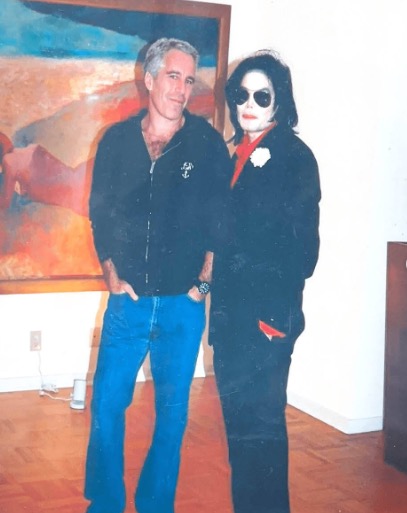
Michael Jackson appears in several photos included in the Epstein files, most prominently in a portrait with Epstein.
Another image shows Jackson alongside Bill Clinton and Diana Ross at a fundraising event, though this photo was not taken by Epstein. In the file version of the image, three faces are blurred.
In the original photo, the blurred faces actually belong to Ross’s son, Evan Ross, and Jackson’s two children, Paris and Prince Jackson.
Paul McCartney
McCartney is referenced in emails about the Kennedy Center Honors, and Epstein purchased 10 tickets to a 2015 benefit show. One assistant wrote afterward, “Wow! What an amazing evening!!” An email about McCartney’s divorce settlement also appears.
Rod Stewart
A Las Vegas VIP host confirmed tickets for Epstein to see Stewart at Caesars Palace in 2013 and recommended the Beatles Cirque du Soleil show Love.
Roger Waters
Waters is mentioned as part of the 12-12-12 Concert for Sandy Relief lineup, which Epstein attended.
Steve Winwood
Winwood appears in the same Muscle Shoals invitation list.

The Who
The Who are referenced through concerts and event mentions, including the 12-12-12 lineup and Epstein’s emails about performers he’d recently seen.
Removed thousands of documents
The Justice Department’s release of documents tied to its investigation of Jeffrey Epstein has sent shockwaves through the world’s elite, prompting high-profile resignations, firings, and even active criminal investigations in multiple countries.
The files have sparked widespread online debate, especially because they include both modern-day celebrities and legendary musicians whose careers shaped entire generations.
On February 15, Attorney General Pam Bondi confirmed that “all of the Epstein files have been released” and outlined that the documents were organized into nine separate categories. She also noted:
“No records were withheld or redacted on the basis of embarrassment, reputational harm, or political sensitivity, including to any government official, public figure, or foreign dignitary.”
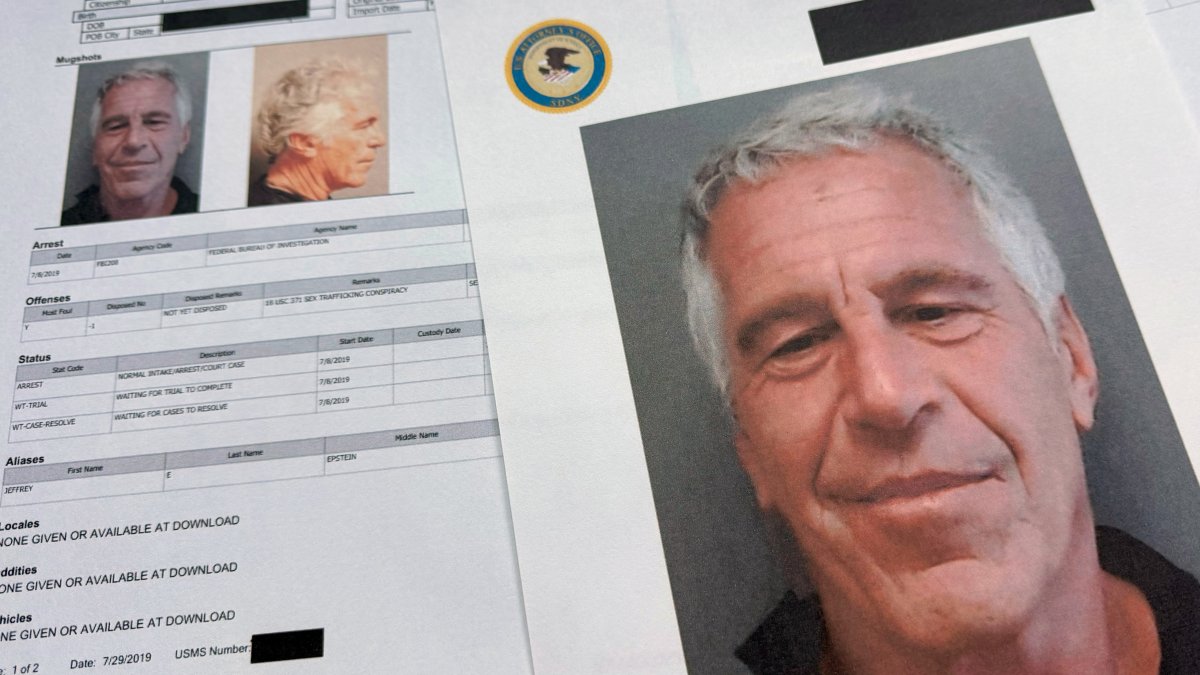
According to the DOJ, the nine categories include documents related to Jeffrey Epstein and Ghislaine Maxwell, flight logs and travel records, individuals associated with Epstein’s criminal activities, corporate, nonprofit, academic, or governmental entities tied to Epstein, immunity agreements, internal DOJ communications, records regarding evidence destruction, and materials documenting Epstein’s detention and death.
However, the U.S. Department of Justice (DOJ) has since removed thousands of these documents from its website after victims raised concerns that their identities had been exposed. Lawyers representing Epstein’s survivors argued that flaws in the redactions have “turned upside down” the lives of nearly 100 victims.
The criminal investigations into Jeffrey Epstein and his associate Ghislaine Maxwell have generated a large volume of court filings, testimony, and documentary evidence over many years. These materials, released gradually through federal proceedings and civil litigation, have drawn international attention because they reference numerous public figures, organizations, and institutions.
However, legal experts and the U.S. Department of Justice have repeatedly emphasized a crucial point:
being mentioned in investigative or court documents does not imply wrongdoing.
Many names appear simply because they were cited in correspondence, schedules, contact lists, or publicly reported events.
Understanding what these documents actually represent—and what they do not—remains essential for responsible reporting and public awareness.
How Epstein-Related Records Became Public
Documents connected to Epstein’s activities have emerged through several official channels, including federal prosecutions, civil lawsuits, and judicial orders requiring the release of sealed material.
For example, court-ordered disclosures in New York unsealed thousands of pages tied to civil litigation involving Epstein and Maxwell. These records included depositions, emails, travel logs, and witness statements gathered during years of investigations.
The purpose of these releases has generally been transparency in judicial proceedings rather than public accusation. Courts often unseal records when they determine that public interest outweighs confidentiality concerns, provided that victim privacy protections remain in place.
Government agencies have also confirmed that materials are reviewed carefully before publication to prevent the exposure of sensitive personal information.
Victim Privacy and Document Redactions
Another important issue surrounding Epstein-related records has been the protection of survivors’ identities.
In many cases, courts and agencies have redacted names or personal information to prevent retraumatization or unwanted public exposure. Advocacy groups representing survivors have consistently emphasized that document releases should prioritize victim safety.
Government agencies have acknowledged that privacy protections remain central to their review processes. When errors occur in redaction, materials may be temporarily removed or corrected to ensure compliance with legal protections.
These measures reflect broader legal principles governing the release of sensitive evidence in cases involving exploitation or abuse.

What the Investigations Ultimately Established
Federal prosecutors concluded their criminal case against Epstein in 2019 after his death in custody. Investigations into Maxwell continued, resulting in her 2021 conviction in federal court for offenses related to facilitating abuse of minors.
Those legal outcomes are among the few conclusions supported by courtroom findings and judicial rulings. They represent the official determinations of responsibility reached through the justice system.
Beyond those verdicts, many documents released in connection with the case remain part of ongoing legal discussions, historical records, or public transparency efforts rather than finalized findings of wrongdoing.
Conclusion
The public release of records related to Jeffrey Epstein has shed light on how extensive investigations are documented and reviewed within the legal system. While the files include references to many public figures, official authorities stress that inclusion in such materials does not indicate involvement in wrongdoing.
Understanding the distinction between documented evidence and contextual references is essential to interpreting these records responsibly. Courts, prosecutors, and advocacy groups continue to emphasize transparency balanced with fairness, ensuring that the pursuit of accountability does not compromise the principles of justice or privacy.
