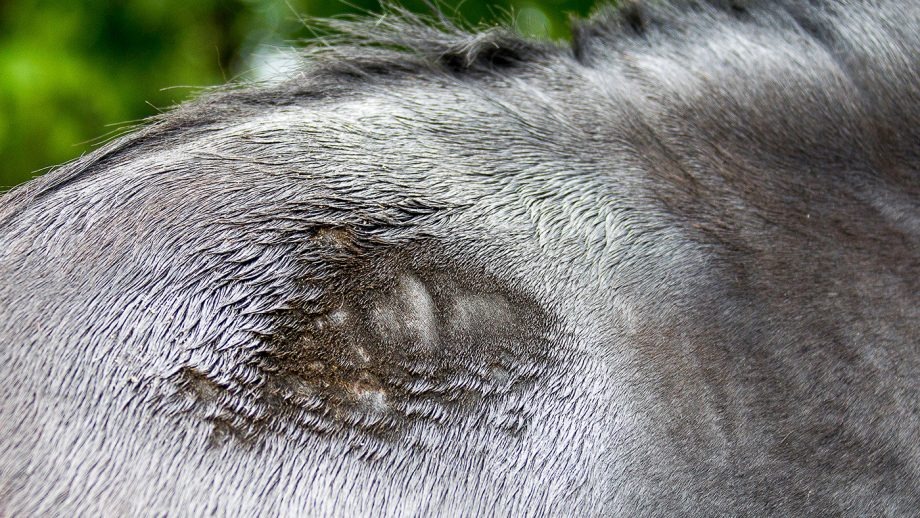

On a quiet morning in a small rural stable, sunlight filtered through wooden slats and settled gently on the back of a calm brown horse. As its owner brushed along the familiar coat, something unusual appeared beneath the sheen of hair. A swirl of fine white flakes lifted from the skin, forming patterns that looked almost deliberate, like nature’s attempt at drawing a starburst hidden under the fur. When the hair parted, the small clusters of dryness, softness, and texture revealed a story waiting to be understood.
It was not alarming, yet it carried a sense of mystery. Why did the skin form these patterns? What message did the horse’s body want to communicate? For centuries, horse owners around the world have encountered similar signs and interpreted them in countless ways. Some turned to tradition and folklore, others to science and veterinary knowledge. Today, modern understanding blends these perspectives, offering both cultural richness and practical insights.
This article explores the phenomenon of flaky, clumped, or dry skin in horses—conditions often associated with dandruff, fungal irritation, or early-stage dermatological issues. We will journey from ancient symbolism to contemporary veterinary science to better understand what these patterns may signify and how horse caretakers can respond thoughtfully and responsibly.

Horses in Cultural History: When Skin and Coat Carried Meaning
Traditional Interpretations of Coat Patterns
For much of human history, horses were more than working partners. They were symbols of strength, intuition, and spiritual connection. Many cultures believed a horse’s coat carried messages about its vitality or temperament. Swirls of hair, unusual patches, and variations in texture were sometimes seen as signs of good fortune or emotional sensitivity.
In several ancient equestrian cultures, a horse with pronounced hair whorls was thought to possess heightened awareness or a particularly loyal nature. When the coat formed star-like shapes or circular patterns, observers often connected these marks to personality traits or a deeper bond between rider and animal. While such interpretations were based on tradition rather than science, they offer a fascinating window into the past.
Folklore Surrounding Skin Changes
When horses developed flaky or dry skin, some early caretakers believed it reflected environmental transitions. In colder climates, the presence of additional skin flakes was sometimes interpreted as a seasonal adjustment. In warmer regions, it was viewed as a sign that the horse was shedding energy accumulated during periods of rest.
Although these beliefs were rooted in cultural storytelling rather than medical evidence, they served an important function. They encouraged caretakers to observe their animals more closely, nurturing attentiveness that remains valuable today.
A Scientific Look at Flaky Skin: What Modern Veterinary Knowledge Reveals
Understanding the Basics of Equine Skin Health
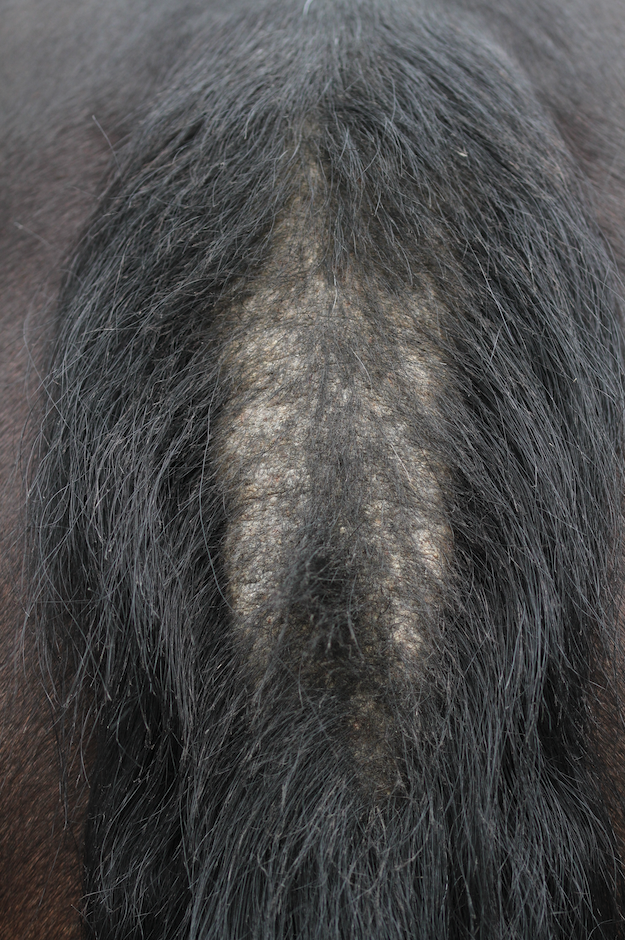
Scientifically, a horse’s skin is a complex protective system. It regulates temperature, shields the body from the environment, and supports the natural oils needed to maintain a healthy coat. When flakes, clusters of skin debris, or clumped hair appear, it is often a sign that this system is out of balance.
Common causes include dryness, mild bacterial irritation, fungal activity, or the natural shedding of skin cells. These conditions are not unusual, especially during seasonal changes or in environments where humidity, temperature, and grooming habits vary.

Possible Conditions Behind the Flakes
Dry Skin and Natural Dandruff
Horses, like people, can experience dry skin. This may arise from weather changes, grooming products that are too harsh, nutritional gaps, or infrequent grooming. Dry skin typically presents as fine flakes and slight roughness without signs of swelling or discomfort.
Fungal or Yeast Irritation
Mild fungal irritation, such as those involving common environmental fungi, can create clusters of dry skin. These cases often produce small patches of flakiness or loose hair. They are typically manageable with appropriate care and hygiene.
Dermatophilosis (Rain-Related Skin Irritation)
In more humid or rainy seasons, horses can experience a surface-level irritation caused by prolonged moisture. This condition may begin with slight flaking before progressing further. Early recognition and good stable management help minimize discomfort and restore the skin’s natural balance.
Mites or External Irritants
In regions where biting insects or mites are common, the skin can become irritated, leading to flakes or clumped hair. While discomfort varies, these cases often improve with targeted grooming and environmental hygiene.

How Caretakers Can Identify When Flaking Is Normal or Concerning
While many cases of flaky skin are mild and manageable, observing a horse’s behavior helps determine whether further attention is needed. If the horse remains comfortable and shows no signs of rubbing or sensitivity, simple skincare adjustments may be enough. When flakes persist, spread, or appear alongside redness or hair loss, seeking guidance from a veterinarian ensures appropriate support.
Bridging Cultural Understanding and Scientific Care
The Value of Observation
Ancient traditions taught caretakers to watch for small changes in a horse’s coat, interpreting these clues as messages from the animal itself. Today, science affirms that such observations are genuinely meaningful. Early detection of skin changes allows owners to support equine health proactively and prevent mild concerns from becoming more significant.
The Emotional Connection Between Humans and Horses
Horses have long inspired a sense of companionship and respect. When caretakers notice subtle shifts in the coat or skin, they often respond with curiosity and care. This emotional attentiveness, passed down through generations, remains central to good animal stewardship.
Cultural myths, even when symbolic, highlight the importance of empathy. Science expands on that empathy by offering tools that explain why the skin behaves as it does, how environmental factors influence the coat, and what nutrients support healthy skin function.
Practical, Gentle Approaches to Supporting Healthy Skin in Horses
Thoughtful Grooming and Hygiene
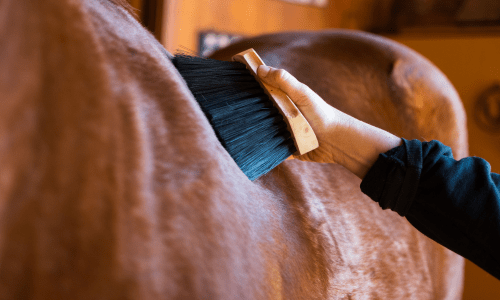
Regular grooming helps distribute natural oils, remove loose skin, and promote circulation. Soft brushes, gentle shampoo formulated for horses, and clean grooming equipment all support healthy skin.
Environmental Management
Providing dry, clean bedding and limiting prolonged moisture exposure help protect the skin from irritation. Adequate ventilation also reduces humidity levels that may encourage fungal growth.
Nutritional Support
Essential fatty acids, vitamins, and balanced minerals contribute to skin elasticity and coat shine. Omega-3 and Omega-6 fatty acids, in particular, support natural oil production.
Routine Veterinary Checks
Even when the skin concern appears mild, periodic evaluations ensure that the horse receives well-rounded care. Veterinary guidance is valuable for understanding the causes behind persistent dryness or irritation.

The Symbolism of Skin Patterns: Myth and Meaning Today
Why We Still Search for Meaning in Natural Signs
Humans have always been drawn to patterns. Whether in the stars, in leaves, or on a horse’s coat, our minds instinctively seek connection and story. The swirls and clusters of dry skin beneath a horse’s hair can evoke a moment of reflection. They remind us that even the smallest details have the power to catch our attention and encourage us to pause.
A Balanced Perspective
Modern caretakers no longer rely on myths to diagnose skin issues, yet cultural interpretations still enrich our understanding of the bond between humans and animals. When combined with scientific knowledge, these stories create a holistic view that honors both tradition and responsible care.

Conclusion: A Reflection on Human Curiosity
Flaky or clumped skin on a horse, like the patterns revealed when brushing aside the coat, serves as a small but meaningful reminder of our enduring curiosity about the natural world. Across cultures and generations, humans have looked to animals not only for companionship and partnership but also for signs, stories, and understanding.
Today, science empowers us to interpret these signs with accuracy and compassion, while cultural history offers a richer context that deepens our appreciation. When we discover something unusual on a horse’s coat, it becomes more than a simple observation. It becomes an opportunity to learn, to connect, and to reflect on the timeless relationship between humans and the creatures they care for.
Curiosity drives us to notice these details, culture helps us interpret them, and science gives us the tools to respond wisely. Together, they shape a thoughtful approach to understanding the quiet messages written beneath a horse’s coat.
Sources
-
American Association of Equine Practitioners (AAEP) – Equine Skin Health Guidelines
-
Cornell University College of Veterinary Medicine – Dermatology Resources
-
University of Kentucky Equine Research Center – Environmental Effects on Coat and Skin
-
Merck Veterinary Manual – Equine Dermatology Overview
-
Journal of Equine Veterinary Science – Studies on Seasonal Skin Conditions in Horses
