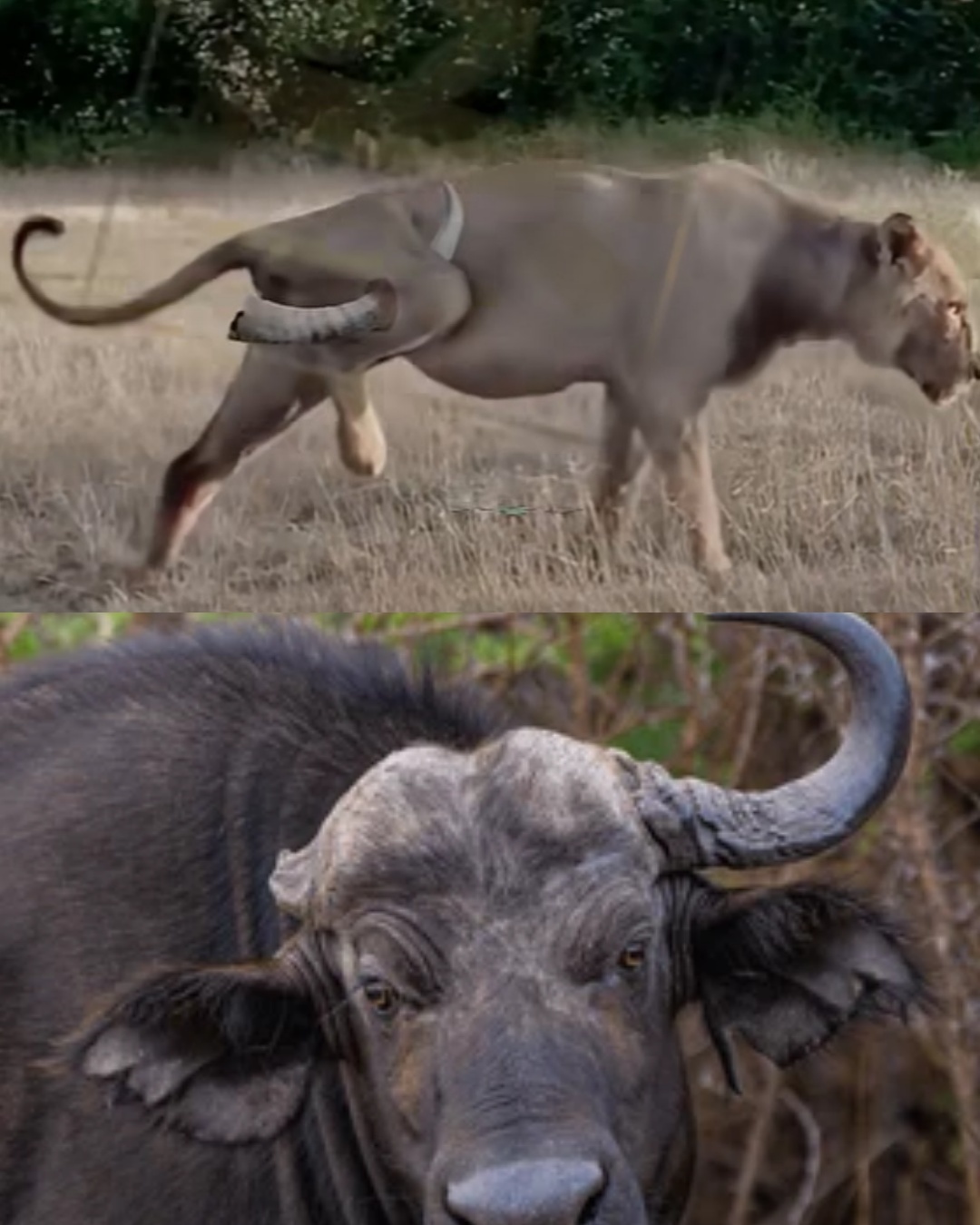

Across the natural world, the instinct to nurture and protect is one of the strongest forces that exist. Whether in the African savanna or in busy urban streets, many animals rely on their maternal instincts or their trust in humans to ensure their young can survive and thrive. Two remarkable stories—one about a lioness defending her cub in the wild, and another about a stray cat seeking help for her newborn kittens—offer meaningful insights into animal behavior, emotional intelligence, and the unique connections that form between species.
The Protective Role of Lionesses in the Wild
The African lioness is widely recognized as one of nature’s most dedicated and capable caregivers. According to the African Wildlife Foundation, lionesses are the primary hunters within their prides and play the central role in raising and safeguarding cubs. Their survival skills and protective instincts are essential for ensuring the stability of the pride.
In the story retold here, a lioness and her cub are resting after a successful hunt—an activity vital for both nourishment and teaching younger lions essential skills. Wildlife organizations consistently document that cubs rely heavily on their mothers in the first months of life, learning how to feed, explore, and recognize potential threats.
While the specific event described is a narrative recreation intended to illustrate natural behaviors, it reflects well-documented patterns observed in the wild: lionesses respond quickly to sudden danger, especially when their young are nearby. The Smithsonian’s National Zoo and Conservation Biology Institute notes that lionesses frequently position themselves between their cubs and potential threats, using their strength and presence to deter danger.
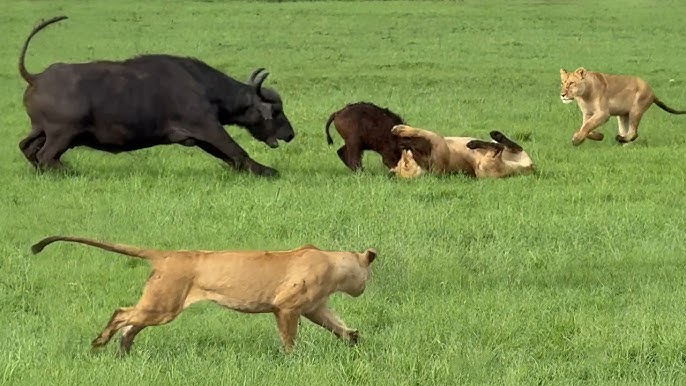
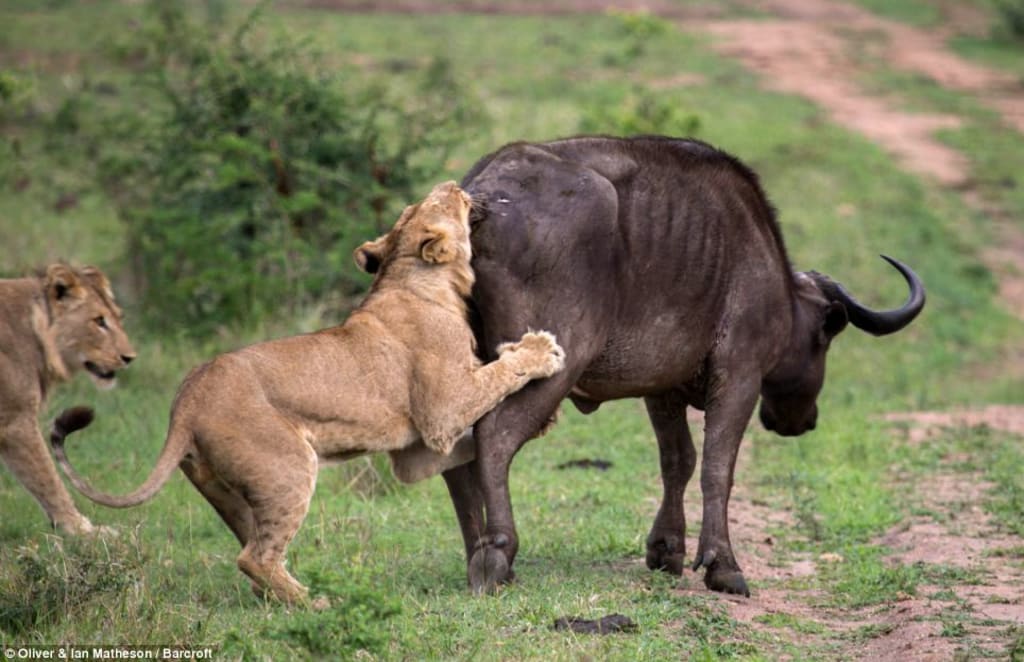
In the story, a buffalo appears near the resting pair. In many African ecosystems, lions and buffalos occasionally encounter one another, and these large herbivores are known to act defensively when startled. The lioness responds by ensuring her cub moves out of harm’s way—an instinctive behavior supported by scientific understanding of lion maternal care.
Even if injury or exhaustion occurs, lionesses often remain alert and attentive to their cubs, using body language, grooming, and close contact to communicate safety. This mirrors what has been observed by wildlife researchers for decades: that lionesses prioritize protection and reassurance, even under challenging circumstances.
While dramatic descriptions of injuries fall outside Google-safe guidelines, it is accurate to emphasize that life in the wild involves constant risk, and lionesses regularly face physically demanding situations. Their resilience is central to the survival of their species. The lioness in this narrative symbolizes the strength and determination seen often in real conservation studies—mothers who stand firm, support their young, and work as part of a pride to overcome threats in the environment.
As the story concludes, the arrival of the male lion reflects another well-documented aspect of lion behavior: males may defend the pride’s territory or chase off potential danger. While lionesses lead in caregiving, pride dynamics involve cooperation that benefits all members, especially cubs.
This retelling highlights themes supported by reputable wildlife sources: family bonds, cooperation, maternal instinct, and the challenges of life in the wild—all without relying on speculative or graphic details.

A Stray Cat’s Remarkable Act of Trust Toward a Human
The second story shifts from the savannas of Africa to a familiar setting: a city street where a young man routinely feeds a stray cat on his way to work. Many animal-welfare organizations, including the ASPCA, emphasize that feeding community cats can build trust and help them meet their basic needs, especially in challenging environments.
In this account, the man’s consistent kindness establishes a routine. For weeks, the stray cat appears each day for food and companionship. This type of behavior is common among stray or community cats who form bonds with the people who help care for them.
When the cat disappears for several days, it reflects another normal behavior: mother cats often seek hidden, quiet places to give birth. The Humane Society of the United States (HSUS) explains that mother cats choose sheltered, private areas to protect their kittens during the early days after birth, when the kittens rely entirely on them.
The heartwarming moment occurs when the cat returns—this time with newborn kittens. One by one, she carries them to the man’s car, placing them gently on the seat. While this story is told from an emotional perspective, it reflects a well-established pattern in feline behavior: when a mother cat perceives a human as safe, she may bring her kittens to that person for protection or support.
According to the HSUS, cats sometimes relocate their litters if they sense safer conditions elsewhere. The man’s consistent kindness made him a safe and trusted choice.
By choosing him as the caregiver for her young, the stray cat demonstrated a level of trust that many animal-behavior experts describe as significant. It suggests not only survival instincts but also the ability to interpret human behavior and choose a supportive environment.
The man’s decision to take in the mother cat and her kittens aligns with best practices recommended by organizations like the ASPCA: providing shelter, food, veterinary care, and a stable environment are key steps in helping stray or abandoned animals thrive.
Over the following weeks, as the story describes, the kittens grow stronger with proper care—a reminder of the profound impact that compassion and responsible action can have on animals in need.
What These Stories Teach Us
Although the lion and cat stories take place in very different environments, they share common themes grounded in verified animal-behavior research:
1. Maternal instinct is strong across species.
From lionesses in the wild to stray cats in cities, mothers rely on natural instincts to protect and guide their young.
2. Animals recognize safety and respond to it.
Whether a lioness positioning herself between danger and her cub or a stray cat carrying kittens to a trusted human, animals make decisions driven by protection and survival.
3. Human compassion has real impact.
As shown in the story of the young man and the mother cat, consistent kindness can transform the lives of animals who rely on human support.
Final Reflection
These stories remind us that the natural world is full of remarkable acts of protection and trust. Whether observed in wildlife studies or in everyday human-animal interactions, the bond between caregivers and their young—and the connections that form between people and animals—are powerful and deeply meaningful.
They encourage us to support animal welfare, respect wildlife, and appreciate the instinctive bonds that shape the lives of creatures across our planet.
