

Elephants have long captured human hearts with their intelligence, social bonds, and striking presence in the wild. Stories of baby elephants overcoming adversity often resonate deeply with audiences, evoking feelings of empathy, wonder, and inspiration. One such story that has gained attention online is about a young elephant named Paya, who is said to have been found alone in the African wilderness and cared for by a conservationist named Chailert. While this story is not confirmed by independent news sources or major wildlife organizations, it offers an important perspective on the power of compassion, wildlife awareness, and conservation messaging.

The Story of Paya: A Summary
According to a Facebook post shared by the page “Light of Kindness”, Paya was discovered weak, trembling, and alone in a dense African forest. The post claims that the baby elephant had lost its mother, leaving it vulnerable in the harsh wild. Enter Chailert and her dedicated team, who are described as providing essential care and nurturing to help Paya survive.
While images circulating online depict Paya or similar elephants, reverse image searches suggest that many of these pictures are actually from other elephants in well-known zoos, such as Chester Zoo in the UK or Oregon Zoo in the USA. Nonetheless, the story itself is framed as a moving tale of resilience and hope, intended to educate the public and promote wildlife conservation.
The Role of Chailert and Her Team
Chailert is recognized for her work in elephant conservation and rehabilitation. In the narrative, she and her team act as saviors for Paya, providing food, shelter, and medical care for the vulnerable calf. The story highlights the critical role human intervention can play in ensuring the survival of orphaned wildlife, particularly species as endangered as elephants.
Although the specific events surrounding Paya have not been verified, the story aligns with real-life conservation efforts, where dedicated teams rescue orphaned elephants, rehabilitate them, and eventually integrate them into protected herds.
Understanding the Message Behind the Story
The post about Paya, shared widely online, is accompanied by a link to a longer story on stories.feji.io. Observers suggest that its primary purpose may be raising awareness about elephant conservation or encouraging donations for wildlife protection initiatives. This does not diminish the emotional impact of the story; rather, it demonstrates how digital storytelling can inspire people to care for wildlife, even when the narrative is symbolic or illustrative.
Such stories serve as powerful tools to:
-
Educate audiences about the challenges facing elephants in the wild.
-
Encourage empathy and compassion toward orphaned or endangered animals.
-
Highlight the importance of conservation efforts supported by organizations and individual caretakers.
The Reality of Elephant Conservation
While Paya’s story may be more inspirational than factual, it brings attention to real threats elephants face today. African elephants are under constant pressure from:
-
Poaching for ivory
-
Habitat loss due to deforestation and human encroachment
-
Climate change affecting food and water availability
The loss of even one mother elephant can have devastating effects on calves, who rely on their mothers for protection, nutrition, and learning essential survival skills. In the wild, orphaned elephants face a high risk of mortality, making conservation interventions crucial.
How Stories Like Paya’s Inspire Action
Even if Paya’s story is not independently verified, it illustrates how storytelling can motivate conservation action:
-
Viral social media posts often bring attention to species that many people may never see in person.
-
Stories about individual animals personalize large-scale conservation issues, making them more relatable.
-
Highlighting the work of caretakers and conservationists encourages public support for real-world initiatives.
By framing Paya’s journey as a narrative of hope, care, and resilience, the story creates an emotional connection between audiences and wildlife conservation, even in the absence of confirmed events.

Lessons from Paya: Compassion and Human Responsibility
Beyond the inspiring tale, Paya’s story reminds us of several important lessons:
-
Every life matters: Elephants, like many species, rely on human advocacy for survival. Orphaned or endangered animals represent more than statistics—they are living creatures capable of forming complex social bonds.
-
Small actions can have a big impact: Donations to wildlife organizations, supporting sanctuaries, or spreading awareness can directly help animals in need.
-
Education is key: Awareness stories, even if symbolic, are opportunities to teach the public about wildlife challenges and the importance of sustainable coexistence with nature.
The story of Paya encourages readers to see the world through the eyes of the vulnerable and to understand the urgency of conservation in both local and global contexts.
Social Media and Digital Conservation Campaigns
Platforms like Facebook, Instagram, and Twitter have become essential tools for wildlife advocacy. Pages such as “Light of Kindness” use storytelling to:
-
Share compelling images and narratives.
-
Connect donors with verified wildlife programs.
-
Educate younger audiences about endangered species.
While it is crucial for readers to critically assess the authenticity of online content, these posts play a vital role in raising awareness and often inspire real-world support for conservation organizations.

Elephant Orphan Care: Real-Life Parallels
Even if Paya’s story is illustrative, real-world elephant rehabilitation programs exist worldwide. For example:
-
The David Sheldrick Wildlife Trust in Kenya rescues orphaned elephants, provides round-the-clock care, and reintroduces them to protected environments.
-
Elephant Nature Park in Thailand rescues abused or abandoned elephants, offering medical care and long-term rehabilitation.
These initiatives demonstrate that, while Paya may be a symbolic figure, the concept of rescuing orphaned elephants is very real. Stories like hers mirror the challenges faced by actual calves and the efforts of conservationists globally.
How You Can Help
Even as a reader, there are practical ways to make a difference:
-
Support reputable conservation organizations through donations or volunteering.
-
Spread awareness responsibly, sharing verified stories and educational content.
-
Reduce activities that harm wildlife habitats, such as unsustainable tourism or purchasing products linked to deforestation.
-
Educate others about the plight of endangered elephants and other vulnerable species.
By taking action, even in small ways, individuals can contribute to a global movement aimed at protecting wildlife and preserving natural ecosystems.
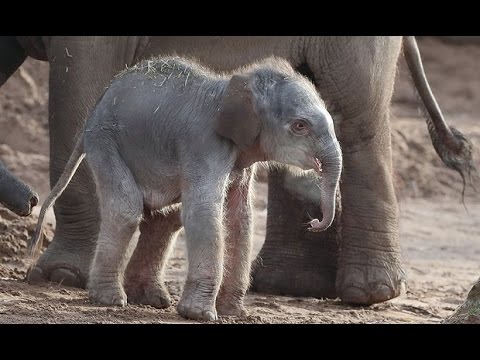
The Emotional Power of Animal Stories
Stories like Paya’s, whether fully factual or symbolic, resonate because they evoke empathy. Humans naturally respond to narratives of vulnerability, survival, and care. Paya’s tale touches on universal themes:
-
Loss and resilience: The death of a mother and the survival of the young.
-
Hope and human intervention: The presence of caretakers offering support.
-
Inspiration to act: Encouraging people to become part of the solution for conservation challenges.
Such narratives can spark conversations, donations, and meaningful engagement with environmental causes, demonstrating that storytelling is a powerful conservation tool.
Conclusion: Paya as a Symbol of Hope
While the story of Paya the elephant may not be independently verified, it serves as a symbol of compassion, awareness, and action in the field of wildlife conservation. It highlights:
-
The fragility of young elephants in the wild.
-
The vital role humans can play in animal welfare.
-
The emotional connection that stories create, motivating audiences to engage in conservation efforts.
By reflecting on Paya’s journey, we are reminded that every act of kindness matters, and that raising awareness—even through illustrative stories—can inspire real-world impact. Whether or not Paya truly existed, the lessons from her story are tangible and meaningful, reinforcing the importance of protecting wildlife and nurturing empathy for all living beings.
