

For more than two centuries, the Rothschild name has been linked with banking, influence and extraordinary wealth. That combination has made the family a permanent fixture in public imagination — and a frequent target of conspiracy theories.
From claims that they “control the world’s money” to strange stories about secret “bloodline experiments,” the Rothschilds have been cast in roles that say more about social anxieties and antisemitic myths than about reality. Some of these narratives now mix real historical details — like cousin marriage and private medical struggles — with speculative, fictional claims about “genetic engineering” and hidden archives.
So what actually happened inside the family? And where does history end and fantasy begin?
A Banking Dynasty – and a Lightning Rod for Myths

The modern Rothschild dynasty begins with Mayer Amschel Rothschild, born in Frankfurt in the 18th century. He built a banking business that his five sons later expanded across Europe, opening branches in major capitals such as London, Paris, Frankfurt, Vienna and Naples.
Their success in government finance, railways, and international loans made the Rothschilds one of the wealthiest families in 19th-century Europe. Their Jewish identity, high visibility and global reach also made them a convenient symbol for people looking for a simple explanation of complex economic and political events.
Modern historians and fact-checkers have repeatedly shown that the idea of a single family “controlling the world” is a fiction rooted in long-running antisemitic conspiracy traditions, not evidence.
But some genuine aspects of Rothschild family history — especially their marriage patterns and their approach to privacy — get pulled into these stories and distorted.
Did the Rothschilds Really “Control Their Gene Pool”?

One of the most widely repeated claims is that the Rothschilds systematically “engineered” their bloodline. The reality is more mundane but still unusual by today’s standards.
In the 19th century, cousin marriage was not rare among European elites. It occurred in aristocratic families, royal houses and wealthy business dynasties as a way to keep property, influence and business control within a limited circle.
The Rothschilds were no exception. Historical research shows that between 1824 and 1877, a high proportion of marriages among direct Rothschild descendants were indeed between cousins. One study notes that of 21 marriages in that period, 15 were between close relatives.
Why did they do this?
• To keep ownership of the banking houses within the family
• To prevent outsiders gaining control of the firm
• To reinforce trust and loyalty in a world where business secrets mattered
This strategy was not a “genetic experiment” in the modern scientific sense. It was a financial and social decision, similar to those made by other prominent families at the time. Endogamy — marrying within a group — was seen as a tool to protect wealth and status.

That said, we now know that extensive cousin marriage across generations can increase the risk of some inherited conditions. But there is no credible evidence that the Rothschilds were secretly managing their marriages as a laboratory-style genetic project or that they “rewrote heredity” in any special, unique way. Claims like that belong to conspiracy rhetoric, not documented science.
Mayer Amschel’s Will: Strict Rules, Not Sci-Fi Biology
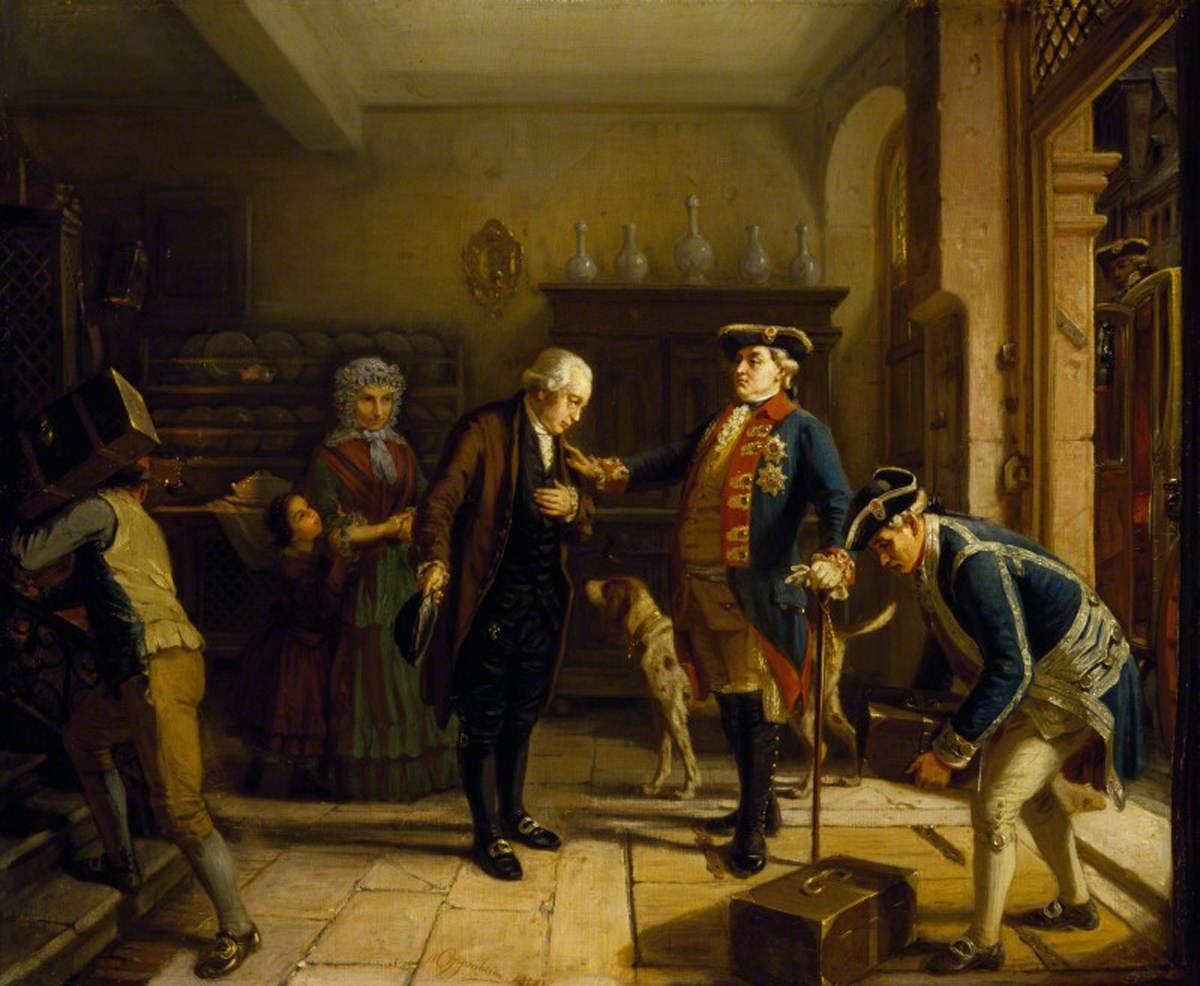
Another recurring element in modern narratives is the will of Mayer Amschel Rothschild, often described as if it were a blueprint for some kind of “biological regime.”
Historical records show that Mayer’s will did set strict rules:
• The banking business should stay in the male line
• Sons-in-law should not become partners
• Family cohesion and secrecy were strongly emphasized
• Marrying within the extended family was encouraged to consolidate wealth
In other words, this was wealth management through family structure, not genetic engineering in the modern sense. The Rothschilds were far from alone in using marriage rules to preserve family businesses. Their case is notable mainly because the business was unusually successful and highly visible.
Turning those economic and legal decisions into a story about “controlling DNA” is a modern overlay — more about dramatic storytelling and suspicion than about what 19th-century bankers actually thought they were doing.
Health, Mental Illness, and the Reality of “Hidden Vulnerability”
Some modern articles now use real biographical details about Rothschild family members to support sweeping claims about a “dark genetic secret.” These often focus on one person: Liberty (Elizabeth Charlotte) Rothschild.
Liberty Rothschild (1909–1988), daughter of Charles Rothschild, was diagnosed with schizophrenia and required long-term care. Her life was largely private, and she did not seek public attention. Her condition was deeply personal, not a public spectacle.
Her sister, Dame Miriam Rothschild, a distinguished scientist and conservationist, later founded the Schizophrenia Research Fund in 1962 in Liberty’s honour. The fund aimed to improve understanding, prevention and treatment of schizophrenia and related mental illnesses — a clear example of the family using its resources to support mental health research.
A few crucial points here:
• Schizophrenia occurs in all populations and families; it is not unique to the Rothschilds.
• Having a family member with schizophrenia does not prove a “genetic catastrophe” or a secret biological experiment.
• The existence of philanthropic funding for schizophrenia research actually shows an open acknowledgement of mental health vulnerability, not an attempt to hide it.
Where older social norms encouraged silence and privacy around mental illness (especially in wealthy families), modern writers sometimes misinterpret this discretion as proof of something sinister. In context, it’s more accurate to see it as part of the broader stigma attached to psychiatric conditions throughout the 19th and 20th centuries, not as a unique Rothschild strategy.
Are There “Sealed Biological Archives” Hiding a Genetic Scandal?

Some contemporary narratives claim that secret archives in various European cities hold biological data about the Rothschild family that would expose a vast genetic “experiment.”
There is a grain of truth buried in that claim: the Rothschild Archive and related collections do hold extensive private records — correspondence, financial ledgers and family documents — many of which are catalogued and, to a degree, accessible to researchers under normal archival rules.
What there is not:
• Public evidence of hidden “genetic ledgers” documenting a programmatic attempt to manipulate hereditary traits
• Scientific documentation showing that the family’s health outcomes are dramatically different from what you’d expect from any other wealthy, partly endogamous European family
• Proof that the Rothschilds “erased illness from history” or ran a coordinated medical cover-up
Claims that the family maintained secret biological archives for genetic manipulation are speculative and typically appear in conspiracy spaces, not in serious academic work.
How Conspiracy Narratives Warp the Story

The idea that the Rothschilds secretly control both global finance and their own gene pool fits a familiar pattern: when a family is wealthy, visible, Jewish and historically influential, they become a convenient symbol for broader fears.
Researchers of antisemitism and conspiracy culture have shown that Rothschild myths are part of a long lineage of stories about “hidden elites” manipulating world events. They are not neutral curiosity; they have been used repeatedly to spread hostility, especially toward Jews.
Fact-checkers have also debunked many specific claims — from “the Rothschilds created the Federal Reserve and control the global financial system” to invented historical anecdotes.
The recent twist — reframing normal historical facts (like cousin marriages and private medical stories) as evidence of a “shocking genetic secret” — is just the latest version of the same pattern.
What We Can Actually Say About Their “Genetic Legacy”

Putting conspiracies aside, here’s what the documented evidence supports:
• Yes, there was a high rate of cousin marriage among Rothschild descendants in the 19th century, intended to keep wealth and control within the family.
• Yes, some family members, like Liberty Rothschild, experienced serious mental illness, which shaped both their private lives and later philanthropic efforts.
• Yes, the family has maintained significant privacy over its internal matters — financial, personal and medical.
But:
• No, there is no credible evidence that the Rothschilds ran a deliberate “genetic experiment,” used medicine to hide mass hereditary damage, or secretly engineered their DNA.
• No, existing scholarship does not support claims that they control global finance or politics in the way conspiracy theories allege.
In other words, their “secret” is less about a hidden genome and more about the same things that define many long-lasting dynasties: strategic marriages, strict inheritance rules, social stigma around illness, and a strong preference for privacy.
Why This Matters

Understanding where myth departs from documented history isn’t just about defending one family’s reputation. It’s about recognizing how easily wealth, ethnicity and power can be woven into narratives that encourage suspicion instead of understanding.
When we strip away the dramatic language and look at the evidence, what emerges is not a science-fiction story of genetic control, but a familiar human picture:
• A family that used marriage and inheritance rules to preserve wealth
• Individuals who faced mental health challenges
• A long history of being turned into symbols in other people’s stories
The real lesson isn’t that the Rothschilds “engineered” their bloodline. It’s that we should be careful when old anxieties and prejudices get dressed up in modern language about genetics, data and “secret archives.”
